From Phosphorus to Partnerships: Solutions for healthier lakes
 Print
Print Email
EmailHow farmers, municipalities and community members can help reduce harmful algal blooms.
In the summer of 2014, the city of Toledo, Ohio, lost its drinking water for three days. The cause was a harmful algal bloom, often called a HAB, in Lake Erie. This event brought national attention to a problem that many lake users had already noticed.
Harmful algal blooms are not just an issue in Lake Erie. They occur in small lakes, rivers and streams across the Midwest, including in our local waters. Michigan State University Extension helps residents and farmers reduce the risk of harmful algal blooms in waterways by providing research-based recommendations and resources for environmental planning and problem-solving.
What are harmful algal blooms?
A harmful algal bloom happens when algae grow fast and in large amounts. Some types of algae (known as cyanobacteria) produce toxins that can harm people, pets, livestock and wildlife. Blue-green algae has always existed in lakes and rivers. What has changed are the environmental conditions that sometimes allow it to grow out of control.
Why phosphorus matters
One key driver of harmful algal blooms is phosphorus. Phosphorus is a nutrient that plants need to grow, but too much of it in water causes problems. In many lakes, phosphorus is limited, meaning no extra is available. If extra phosphorus enters the water, algae can grow quickly and form blooms.
Experts agree that there is no single cause and no quick fix for harmful algal blooms. Many factors contribute to the problem, including heavy rainstorms, sewer overflows, failing septic systems, urban stormwater, lawn fertilizers, invasive species and agriculture.
Because so many factors are involved, solutions must also be broad and shared across communities and landscapes.
Over the past 50 years, major progress has been made in reducing phosphorus released from wastewater treatment plants. Since the 1970s, phosphorus from these treatment plants has dropped by more than 75% and now makes up a small portion of the total phosphorus entering Lake Erie. In most watersheds, septic systems also contribute only a small share of the total phosphorus load.
The role of agriculture and legacy phosphorus
Agriculture is often discussed in relation to phosphorus load because many rivers that carry phosphorus to lakes flow through farmed areas. In the past, fertilizers were applied at higher rates, which led to phosphorus building up in soils.
Today, most farmers apply nutrients much closer to what crops actually need, and some apply less phosphorus than crops remove. In fact, research shows that a smaller number of fields are responsible for most phosphorus runoff. Phosphorus stored in soils from years past, known as “legacy phosphorus,” continues to affect water quality.
Another important finding is that most phosphorus loss happens during just a few large storms each year, especially in late winter and spring. This means how the land handles stormwater runoff is especially important in reducing phosphorus.
Slowing down and soaking up water
At the watershed level, a major goal is to slow water down and help it soak into the soil. When water moves quickly across the land, it carries more soil and nutrients with it.
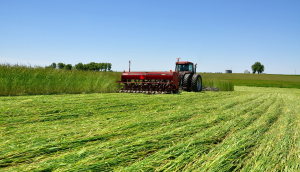
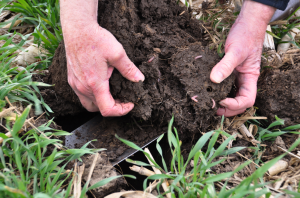
Practices such as cover crops, grassed waterways, water and sediment control basins, and reduced tillage help slow runoff and improve soil health. Healthier soil holds more water and releases it more slowly.
In towns and neighborhoods, practices like bioswales and rain gardens capture stormwater before it reaches lakes and streams. These planted areas filter water, reduce flooding and improve water quality.
Protecting buffers, wetlands and floodplains
Vegetated buffers along streams and wetlands play an important role in reducing nutrient runoff. They trap sediment, absorb nutrients, reduce erosion and provide wildlife habitat. Many communities protect these areas through riparian buffer development standards or overlay districts while still allowing reasonable land use.
Conserving land in floodplains is also important. Floodplains store water during storms, reduce flooding and protect water quality. Planning and working with land conservancies can help protect these high-value areas for the long term.
Working together with agriculture
Partnerships with agriculture are essential. In places like Dodge County, Wisconsin, farmers, lake groups and community members work together through programs such as Healthy Soil – Healthy Water. These efforts support conservation practices, offer incentives and promote shared responsibility for water quality. Even small investments can lead to measurable improvements when people work together.
Using technology and training to reduce risk
New technology is helping both farmers and communities make better decisions. Tools now exist to predict runoff risk, guide nutrient application timing and monitor water quality.
On farms, digital nutrient management plans and mapping tools identify fields at higher risk for runoff, especially before large rain events. Michigan State University Extension educators work with farmers to help them understand programs such as Michigan State University’s EnviroImpact tool. This tool provides forecasts that help farmers avoid applying fertilizer or manure when runoff risk is high.
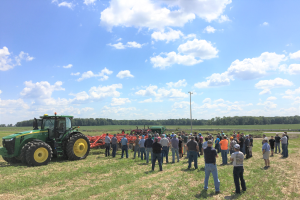
Training and cost-share programs also play an important role. Farmers and manure applicators receive education on precision equipment, improved application methods and conservation practices. State and federal programs help cover costs, making it easier to adopt these improvements.
A long-term commitment to clean water
Legacy phosphorus built up over many years, and recovery will also take time. While technology alone will not solve the problem, it is becoming an important part of long-term progress.
By working together, supporting smart land use, and staying patient, lake communities can play a vital role in protecting the waters they value for future generations.