Get to know the nine major food allergens
 Print
Print Email
EmailLearn how to use food labels to protect yourself and your loved ones from serious food allergy reactions.
According to the Centers for Disease Control and Prevention (CDC), roughly 6% of U.S adults and children have a declared food allergen. Over 170 foods have been reported to cause allergic reactions, but nine allergens account for 90% of all cases.
These foods are referred to as the “Big 9” Allergens:
- Milk
- Wheat
- Fish (e.g., bass, cod, salmon)
- Crustacean shellfish (e.g., shrimp, lobster, crab)
- Eggs
- Soy (e.g., soybeans, soy milk, tofu)
- Peanuts
- Tree nuts (e.g., walnuts, almonds, pecans)
- Sesame
An allergic reaction is the immune system’s response to a specific food protein. The immune system believes food is harmful and creates antibodies against it. When exposed again, the immune system overreacts and releases histamine, which triggers an allergic reaction. Food allergy reactions can vary unpredictably from mild to severe and may not be the same from one exposure to the next. Common food allergy reactions include, but are not limited to:
- Hives
- Flushed skin or rash
- Tingling or itchy sensation in the mouth
- Swelling of face, tongue, or lips
- Vomiting and/or diarrhea
- Abdominal cramps
- Coughing or wheezing
- Swelling of throat
- Difficulty breathing
- Drop in blood pressure.
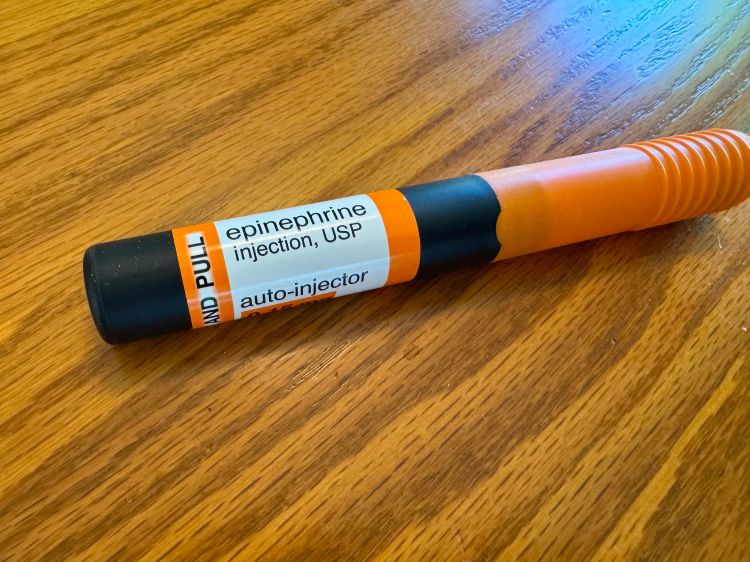
The most severe allergic reaction is anaphylaxis.
Manufacturers are required by law to list all ingredients on the ingredient list. Because the Big 9 allergens are so common, there are heightened FDA label regulations manufacturers must comply with. This transparency of food allergen labeling began in 2004, with the Food Allergen Labeling and Consumer Protection Act (FALCPA), which required all commercially produced food items to list major food allergens present in the product on the food label.
Following that, in 2023, the Food Allergy Safety, Treatment, Education, and Research (FASTER) Act was passed to include sesame as the ninth most common allergen that must also be listed on commercially manufactured food items.
As a result of these regulations, manufacturers are required to list the Big 9 allergens differently than other ingredients. It is a requirement that the common name of the allergen is listed somewhere within the ingredients list or in a “contains” statement. It is critical to carefully read food labels on packaged food to be sure an allergen is not listed, especially because ingredients can change. The FDA released a two-minute educational video to help consumers better understand how to check food labels for allergens.
Some manufacturers also include voluntary precautionary statements about potential allergen cross-contact during production, such as “may contain,” “processed in a facility that also processes” or “made on shared equipment with” specific allergens. These advisory statements are not federally regulated and are used at the manufacturer’s discretion. While they may offer additional guidance, individuals with food allergies should treat them with caution and consult a health care provider when deciding which foods are safe to eat.
There is currently no cure for food allergies. The only way to protect yourself or your loved ones is to avoid the allergen. Understanding label reading and the common signs and symptoms of allergic reactions can help limit severe reactions. Michigan State University Extension advises always referring to your primary care provider for guidance on managing life with food allergies.