Halloween 2026: Spooky Season is bigger, earlier, and more flavorful than ever
 Print
Print Email
EmailLearn more about these insights from the Michigan State University Product Center.
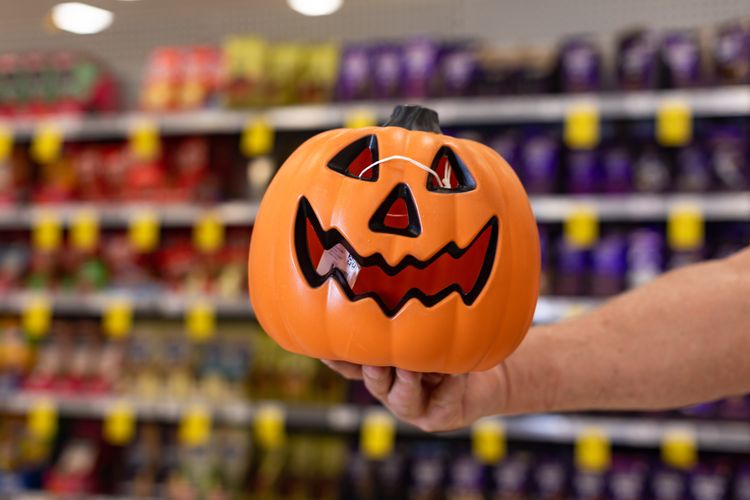
For food and beverage businesses, Halloween is no longer a one-night sales opportunity. In 2026, consumer research shows Halloween has evolved into a full seasonal event, with shoppers embracing "Summerween," seeking bold flavor experiences, and looking for products that deliver both fun and novelty. These shifts create valuable opportunities for food and beverage entrepreneurs to develop seasonal offerings, increase retail visibility, and connect with consumers earlier than ever.
Halloween starts earlier than you think
One of the biggest trends shaping Halloween 2026 is the continued growth of "Summerween," a consumer-driven movement that brings Halloween-themed celebrations and purchases into the summer months. According to the 2026 Mars “Tricks, Treats and Trends Report,” 57% of U.S. adults now view Halloween as a season rather than a single day, and nearly 60% of Gen Z consumers are familiar with or have participated in Summerween celebrations. Further, two-thirds of Americans say they would purchase their favorite Halloween treats year-round.
For food businesses, this means seasonal product launches may need to happen weeks, or even months, earlier than in the past. Limited-time products introduced in July, August, or early September can capture consumer attention before store shelves become crowded with traditional Halloween offerings.
Consumers want more than sweet
Today's Summerween and Halloween shoppers are looking for experiences, not just candy.
Research highlighted in the Mars Trends Report found that 71% of consumers want treats with unique sensory or textural experiences, while 58% are interested in "extreme" flavors. Crunchy, freeze dried, layered, chewy, popping, and multi-textured products are gaining popularity, particularly among younger consumers.
Similarly, a recent People magazine report on Halloween confectionery trends by Chiara Kim noted increased consumer interest in texture-driven products and novel flavor experiences.
Food trend analysts also report growing demand for sour, spicy-sweet, tangy, and unexpected flavor combinations. Products that generate a strong reaction or create a social-media-worthy tasting experience are increasingly capturing consumer interest.
Entrepreneurs can apply this trend beyond confectionery by considering:
- Seasonal beverages featuring unexpected flavor pairings
- Pumpkin-inspired products with heat or savory elements
- Textural snack mixes
- Limited-edition bakery products with colorful fillings or toppings
- Interactive food experiences designed for social sharing
Better-for-you treats continue to gain ground
Consumers continue to seek indulgent products while also paying attention to ingredients and nutrition. According to analysis by Kelly Beaton for The Food Institute, consumers are increasingly looking for products that combine indulgence with attributes such as reduced sugar, cleaner labels, added fiber, and portion-controlled formats.
This creates opportunities for food and beverage companies to develop Halloween-inspired products that deliver seasonal fun while appealing to health-conscious shoppers. Examples include:
- Lower-sugar baked goods
- Fruit-based seasonal snacks
- Plant-based treats
- Functional beverages with seasonal flavors
- Smaller portion sizes for gifting and sampling
Social media drives discovery
Gen Z continues to influence Halloween purchasing behavior. The Mars report found that 53% of Gen Z consumers discover Halloween trends on TikTok, followed by YouTube (49%) and Instagram (48%). Yet purchases continue to occur primarily through traditional retail channels, including grocery stores and mass merchandisers.
For emerging brands, this reinforces the importance of pairing digital storytelling with retail readiness. Eye-catching packaging, seasonal photography, short-form video, and retailer-friendly merchandising can help products stand out both online and on store shelves.
Seasonal innovation creates opportunity
According to the Abasto “Halloween Trends 2026” report by Violeta Montes de Oca, Halloween has become a multi-month celebration driven by early decorating, themed snacking, and seasonal purchasing behaviors.
Consumers are actively seeking limited-edition products during Halloween. Research shows younger consumers are particularly interested in products featuring seasonal flavors, colors, shapes, and holiday-themed packaging.
Food entrepreneurs can leverage this trend by creating:
- Halloween-themed packaging
- Seasonal flavor extensions
- Retail-exclusive items
- Gift boxes and sampler packs
- Collaborations with local retailers and businesses
The goal is not necessarily to reinvent your entire product line. Often, a seasonal twist on an existing best-seller can attract new customers while generating excitement among existing fans.
Key takeaways for food and beverage businesses
Halloween 2026 presents several clear opportunities:
- Launch seasonal products earlier to capture Summerween demand.
- Incorporate bold flavors and interesting textures.
- Balance indulgence with better-for-you attributes.
- Create visually engaging products that perform well on social media.
- Use limited-time offerings and themed packaging to encourage trial and repeat purchases.
As Halloween continues to expand into a multi-month retail season, businesses that innovate early and align with evolving consumer preferences can turn a traditional holiday into a meaningful revenue driver. The brands that succeed may be those that think beyond October 31 and start planning for Spooky Season long before the leaves begin to change.
About the MSU Product Center
Michigan State University Extension and the MSU Product Center leverage the University’s extensive expertise in food, agriculture, and natural resources to help entrepreneurs define, develop, and successfully launch innovative products. Through business counseling, technical assistance, educational programming, and market access opportunities, the MSU Product Center plays a critical role in strengthening Michigan’s food and agriculture economy.
To learn more about the MSU Product Center and its programs, visit
canr.msu.edu/productcenter.