Managing lawn diseases
 Print
Print Email
EmailWhy fungicides aren’t always the answer.
Chemical control is often the first solution people consider when they spot a lawn disease. In reality, lawn diseases can be managed or even prevented through simple cultural practices, sometimes with better long-term results than chemical treatments alone.
One important thing to know is that proper fungicide application is critical for controlling most turfgrass diseases, whether they affect the leaves or roots. This requires uniform coverage, consistent spray pressure, and the correct nozzle selection. Professional turf managers rely on advanced sprayer systems designed to deliver precise applications. These systems are not only expensive but also require technical knowledge and, in many regions, formal pesticide application training and certification. Fungicides must be applied at the right rate and interval to be safe and effective, which can be challenging for the average homeowner. In fact, improper application can do more harm than good, potentially damaging the grass if the wrong fungicide rate is applied.
Because of these limitations, most fungicide products marketed to homeowners are available in granular form. These tend to be easier to apply than liquids and don’t require as much specialized equipment. However, granular fungicides come with their own drawbacks. They must be watered in after application and even then they can often fail to provide uniform coverage. Granules that are accidentally applied to hard surfaces may increase the risk of off-target movement into stormwater systems.
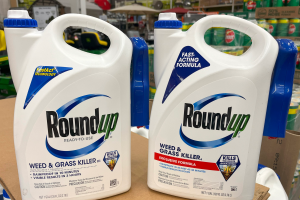
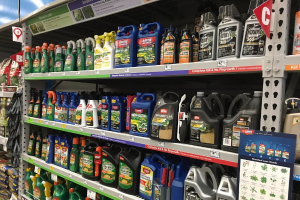
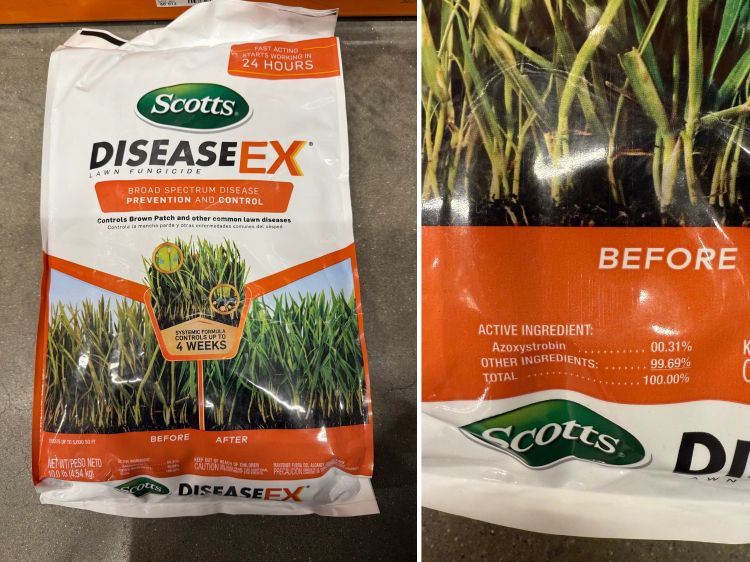
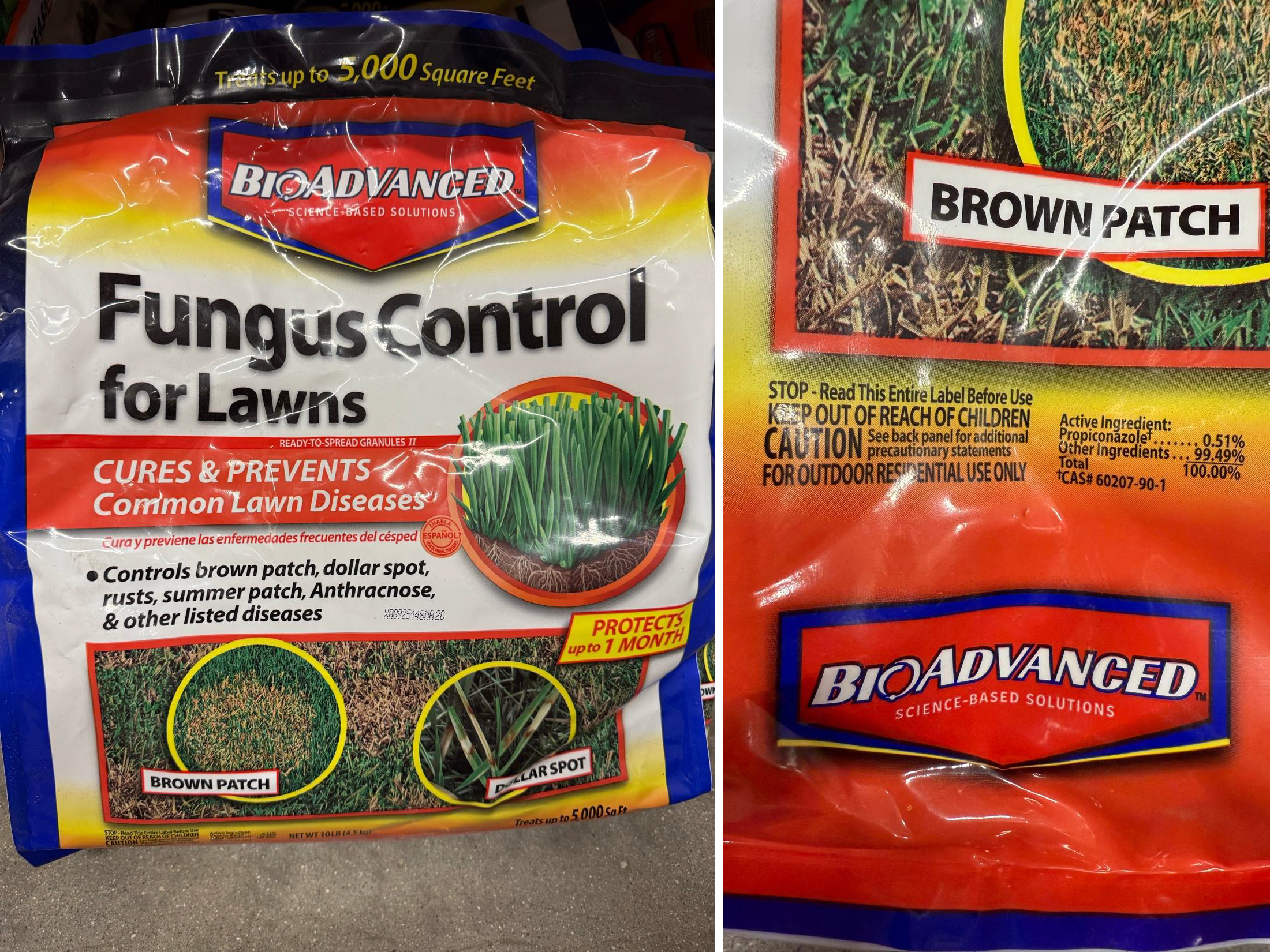
More importantly, there are increasing restrictions on fungicide use for home lawns. Chlorothalonil and iprodione are no longer labeled for use on home lawns due to the Food Quality Protection Act considerations. The two most commonly available fungicides for lawns at large home improvement chain stores are azoxystrobin and propiconazole, examples of which are shown in Photos 1 and 2, respectively. Both fungicides are used for broad-spectrum disease prevention and control, and can reduce many cool-season turfgrass diseases, including anthracnose, brown patch, red thread, rust, summer patch and snow molds. Azoxystrobin should be used if you have Pythium blight, whereas propiconazole should be used if dollar spot is a problem on your lawn.
Given these challenges, cultural management practices are often more reliable, cost-effective and sustainable means to manage lawn diseases than applying pesticides. Cultural management practices work best for preventing lawn diseases and can also improve recovery from disease outbreaks. Best management practices can reduce disease in two main ways: 1) lead to healthy and stronger turfgrass stands that can defend against disease, and 2) create an environment that the plant pathogens don’t like. In general, plant pathogens prefer warm, humid conditions; moisture is the key to disease development.
So, what can we do to make the plant stronger and the growing conditions less conducive to disease development?
One of the simplest and most effective cultural practices is raising the mowing height. Higher mowing height, within the optimal mowing height range for each turfgrass species, is beneficial because taller grass promotes more extensive root systems and improves overall plant health, making turf more resilient to disease. If a lawn is affected by a foliar disease, it’s a good idea to bag and remove grass clippings rather than leave them on the lawn. This helps reduce the spread of fungal spores and mycelia to healthy areas.
Leaving heavy clippings on the lawn can also function as a blanket that creates more heat and moisture or more nutrient sources, which can encourage pathogen growth. Therefore, lawns should be mowed often enough that the clippings are small and not visible on the lawn surface after mowing.
Water management is another critical factor impacting lawn disease development. Avoid watering too much because excess moisture creates ideal conditions for disease development. On the other hand, watering too little can lead to drought stress, weakening turfgrass plants and making them more vulnerable to disease. Light (0.10 inch of water), frequent (daily) irrigation can reduce drought and heat stresses, and reduce damage from certain diseases, especially diseases that compromise the root systems, such as necrotic ring spot. You can learn tips for watering your lawn.
Fertility also plays a role in disease susceptibility of the plants. Both over- and under-fertilization can stress turfgrass and make it more vulnerable to infection. Maintaining balanced nutrient levels based on soil testing is the best approach (see soil testing through MSU Extension). Adequate nitrogen fertilization can help turfgrass plants recover from diseases. However, too much nitrogen can lead to excessive, succulent foliar growth, creating opportunities for pathogen penetration and proliferation. Table 1 provides examples of the impact of fertility level on different turfgrass diseases.
Table 1. The effect of fertilizer level on turfgrass diseases.
|
Disease |
Worse with |
|
Rust |
Low fertility |
|
Red thread |
Low fertility |
|
Dollar spot |
Low fertility |
|
Necrotic ring spot |
Low fertility |
|
High fertility in the late fall |
|
|
Brown patch |
Too much fertility |
|
Pythium blight |
Too much fertility |
Soil pH is another, often-overlooked, factor influencing turfgrass diseases. Certain lawn diseases thrive in specific pH ranges (Table 2). Improper soil pH can also limit nutrient availability or uptake by the plants, indirectly weakening the grass. A soil test is needed to determine soil pH. Adjusting soil pH through lime or sulfur applications, when necessary, can help create conditions less favorable to pathogens. However, changing soil pH typically takes extensive time and persistence; you may not see an immediate effect on disease.
Table 2. Turfgrass diseases affected by soil pH.
|
Disease |
Conditions favoring disease |
To reduce disease |
|
Summer patch |
Alkaline soil |
Acidify the soil pH with ammonium fertilizers, avoid nitrate fertilizers |
|
Take-all patch |
Alkaline soil |
Acidify the soil pH with ammonium fertilizers, avoid nitrate fertilizers |
|
Anthracnose |
Acidic soil |
Raise pH with lime; use nitrate fertilizers, avoid ammonium fertilizers |
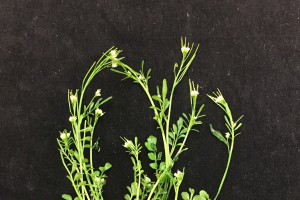
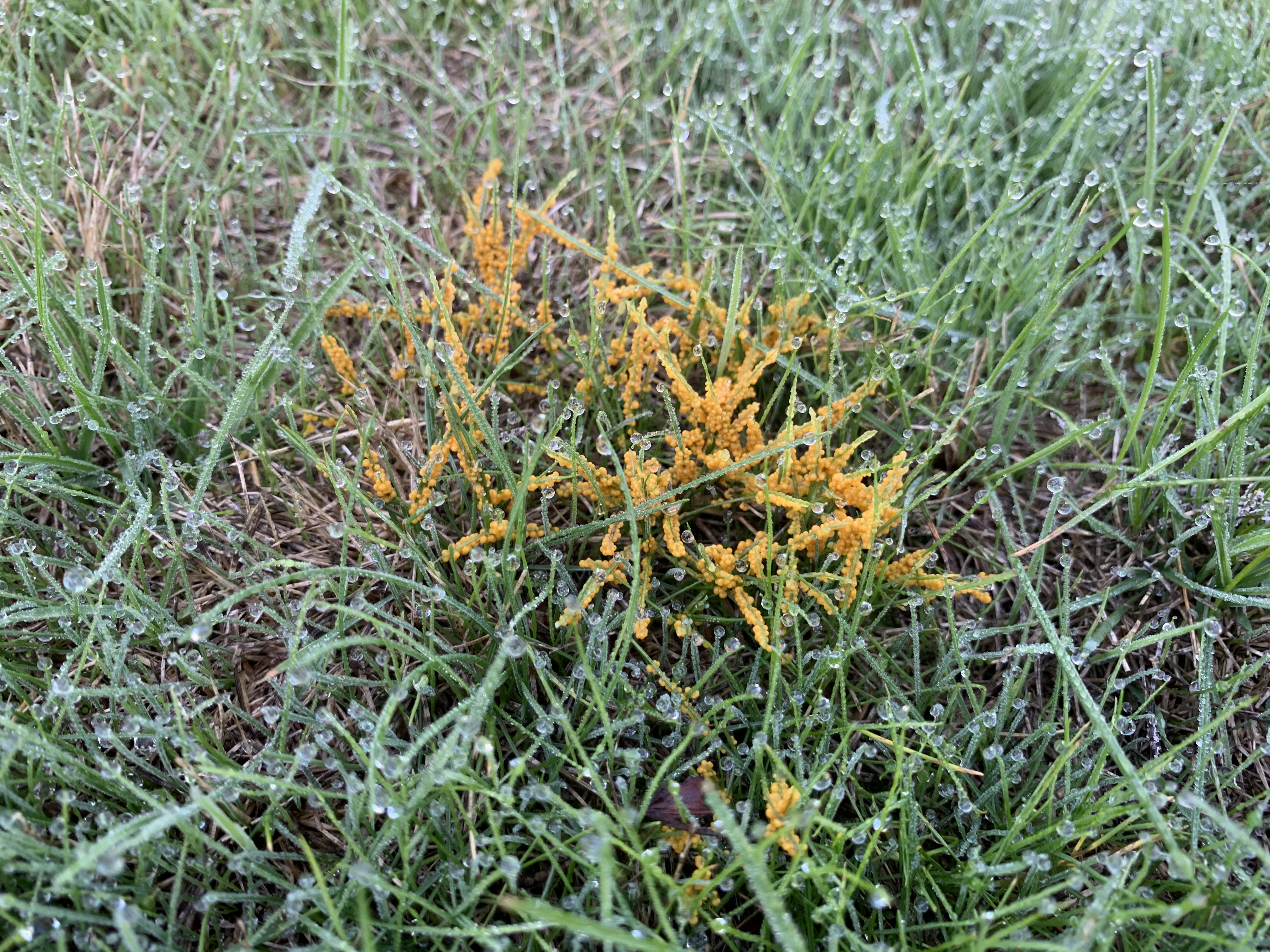
Some “diseases” are more of a temporary, cosmetic nuisance and not a real threat to your lawn’s health; you can simply remove or ignore them. For example, mushrooms or slime molds may be a striking appearance in your lawn, but they tend to be harmless to your turf. Despite their unpleasant appearance, slime molds do not infect or kill grass; they simply sit on the surface of the blades (Photo 3). In most cases, slime mold will dry up and disappear on its own. If you want to speed up the process, you can rinse it off with a hose, remove it with a broom or rake, or mow it off.
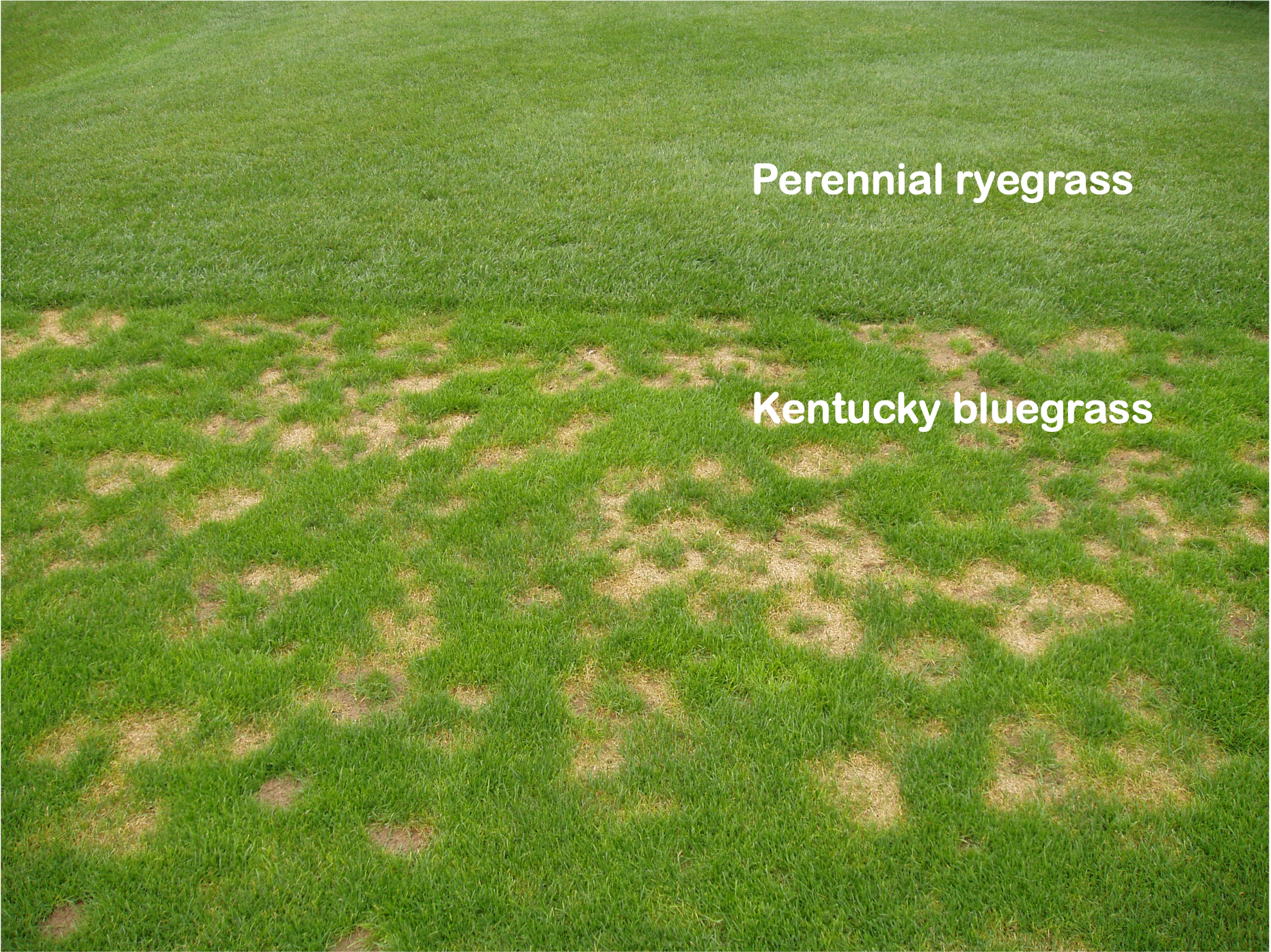
Perhaps one of the most important long-term strategies for disease management in lawns is selecting the right type of grass to grow. Different turfgrass species and varieties have varying levels of disease resistance or susceptibility. For example, under the same environmental conditions, Kentucky bluegrass is susceptible to summer patch disease whereas perennial grass growing adjacent to it is unaffected (Photo 4).
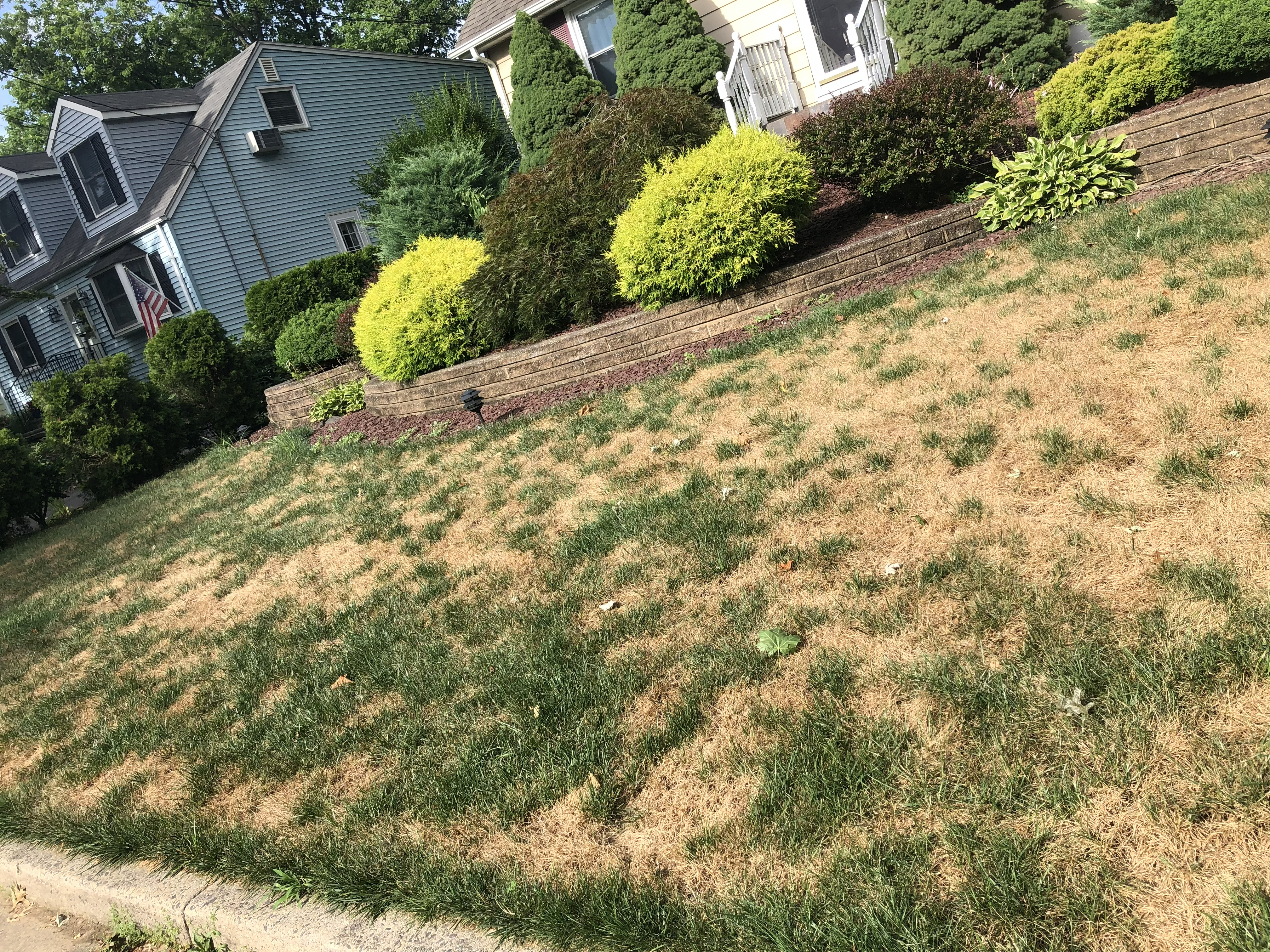
Using a blend or mixture of grasses when seeding can provide a form of natural insurance—if one grass species or variety (cultivar) is susceptible to a particular disease, others in the mix may remain unaffected, preserving overall lawn quality. Photo 5 is an example where planting a single susceptible tall fescue variety resulted in severe lawn damage caused by root pathogens.
It’s also important to recognize that newly seeded or sodded lawns are particularly susceptible to infection by disease-causing organisms. Young grass plants are tender and vulnerable to pathogen attacks while sod is often stressed during harvesting and transportation; therefore, both lack the ability to defend against pathogens.
For homeowners who want an added layer of protection during establishment, it may be worthwhile hiring a Michigan Department of Agriculture and Rural Development certified pesticide applicator to apply preventative fungicides properly and safely to new plantings.
Reference to commercial products or trade names does not imply endorsement by Michigan State University Extension or bias against those not mentioned.