


The Michigan Cover Crop Selector Tool has been updated
 Print
Print Email
EmailAgriculture professionals and farmers came together to update the online decision-making tool including new cover crops and adjusted seeding dates.

In the fall of 2025, updates were made to the Midwest Cover Crops Council Cover Crop Selector Tool for Michigan. A group of researchers, Extension, Natural Resource Conservation Service staff, farmers and industry representatives reviewed research and farmer experiences from the last five years to update the recommendations in the tool.
Recommended seeding dates and seeding rates reviewed: Recommended seeding dates have been adjusted to reflect the most recent 30-year climate normal from the National Oceanic and Atmospheric Administration (NOAA).
Recommended seeding dates and seeding rates have also been updated to reflect new research and experiences. Seeding dates for winter cereal rye were extended later into the fall, and the summer seeding windows were expanded for several cover crops as well.
Matching cover crops to farmer goals: Ratings for each cover crop species were reviewed. Potential advantages including quick growth and attractiveness to beneficial insects were reviewed alongside potential disadvantages such as risk of carrying disease to the following cash crop. Each cover crop species was also reviewed for how well it typically fulfills the various goals of using a cover crop, such as how well a particular cover crop reduces erosion, helps manage weeds or provides good grazing for livestock, among other goals.
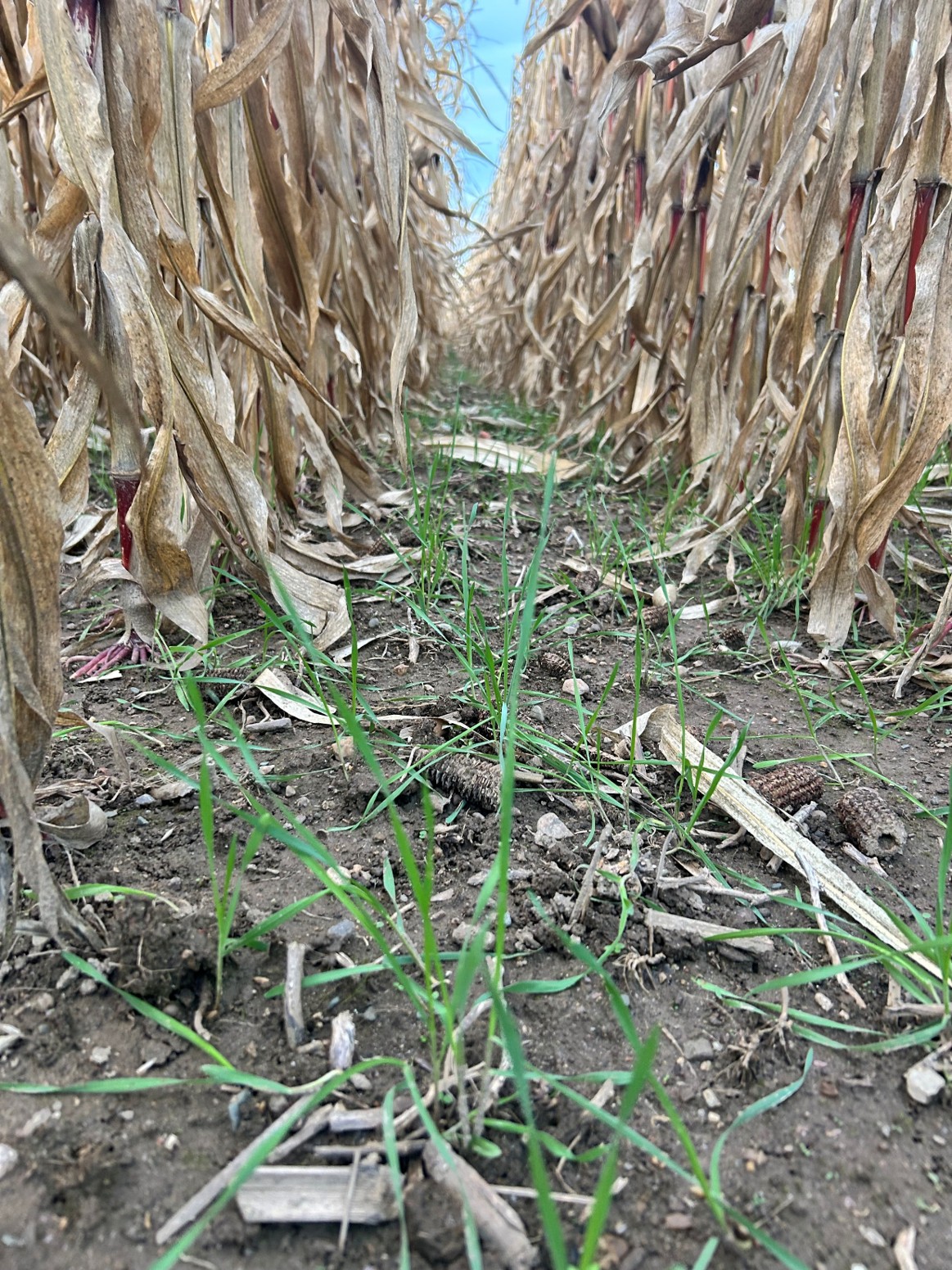
One goal of the review was to improve guidance for farmers interested in interseeding cover crops. Cover crops are now ranked for their suitability for early and late interseeding separately, instead of just interseeding in general.
New options added: After the review, the team determined three cover crop species have been sufficiently evaluated by farmers and researchers for addition to the tool. These cover crops have been used in Michigan and help fill some roles that may not be achieved by other cover crops species. These newly added species include:
- Forage brassica hybrids: Grazing cover crops is gaining interest in Michigan, and farmers are looking for species that will produce high value forage for their livestock. While there were already quite a few brassica cover crop options for Michigan, forage brassica hybrids would work especially well on a field that will be grazed or harvested for forage.
- Sunn hemp: Sunn hemp is a warm season legume that can grow very quickly and produce nitrogen when given the opportunity. The seeding window is relatively short (early June–mid-August) because it needs sufficient heat to reach its full potential. It makes a great addition to a cover crop mix following wheat, if seeded in time.
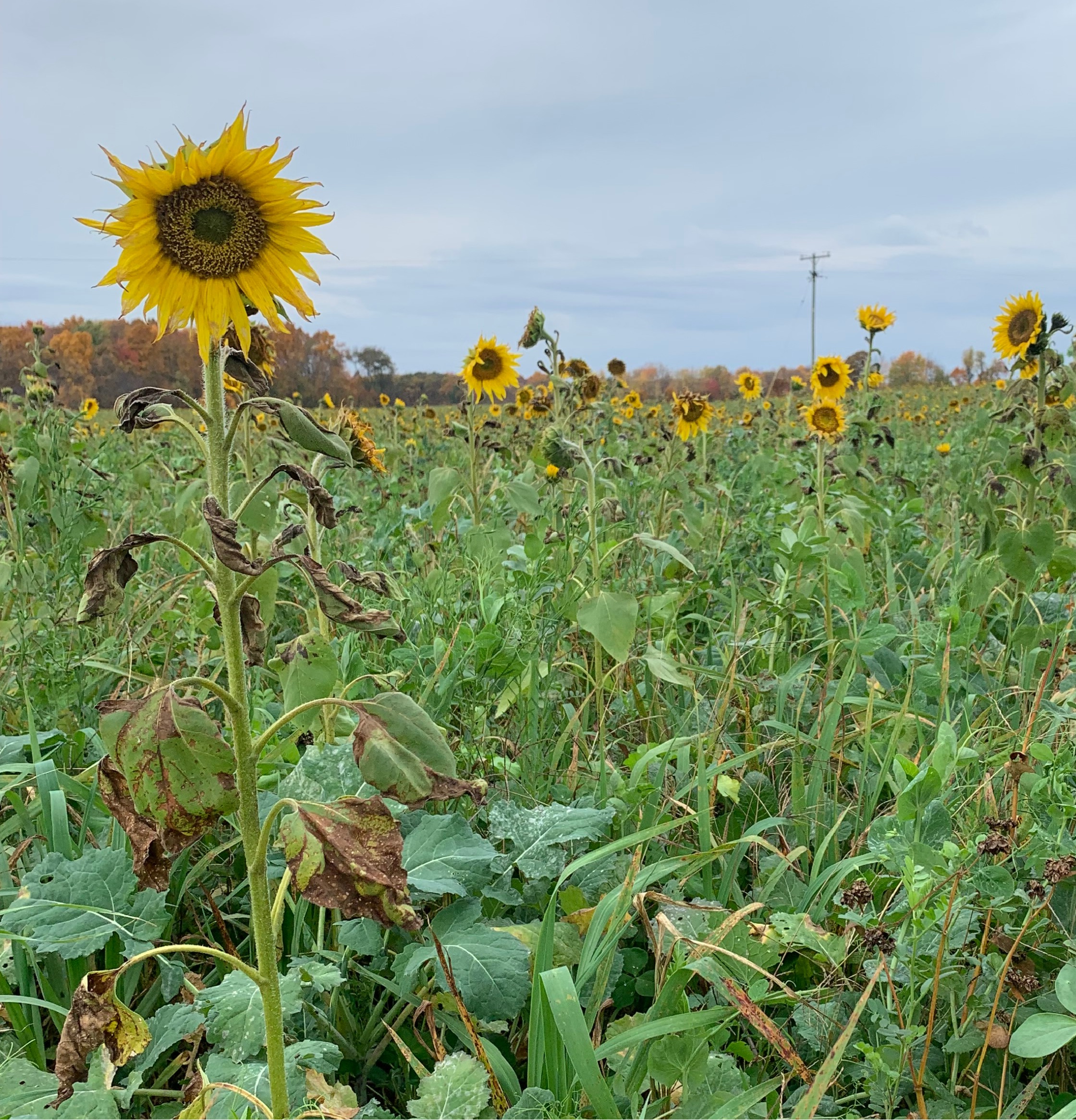
- Sunflower (in mix): Sunflowers can be a great addition to a diverse cover crop mix. They offer excellent soil building benefits and attract pollinators, not to mention the aesthetic value. Generally, it is not advised to seed sunflowers alone as a cover crop because of the seed cost and the residue can be difficult to plant into the following year. The updated selector tool advises adding 2–4 pounds of sunflower seed into a mix seeded by drill. See the “Cover Crops for Michigan: Sunflower” fact sheet from Michigan State University Extension for more information on using sunflower a s a cover crop.
Improved usability for finding where cover crops fit: The input for “current cash crop” now reads “cash crop growing period” alongside the anticipated planting and harvest dates. This feature overlays the cash crop growing period on the recommended planting windows for cover crops. This serves as a reminder that a cash crop is in the field and if a cover crop is to be planted, it must be interseeded into the standing crop.
To see the new species and explore the changes:
Visit the Midwest Cover Crops Council’s Cover Crop Decision Tool