MSU students in Community Sustainability course present proposals to Michigan policy makers
 Print
Print Email
EmailStudents in the spring 2026 semester of Environmental and Natural Resource Policy course (CSUS 464) had the unique opportunity to present their final policy proposals to a panel of local Lansing policy makers as the culmination of their course experience.
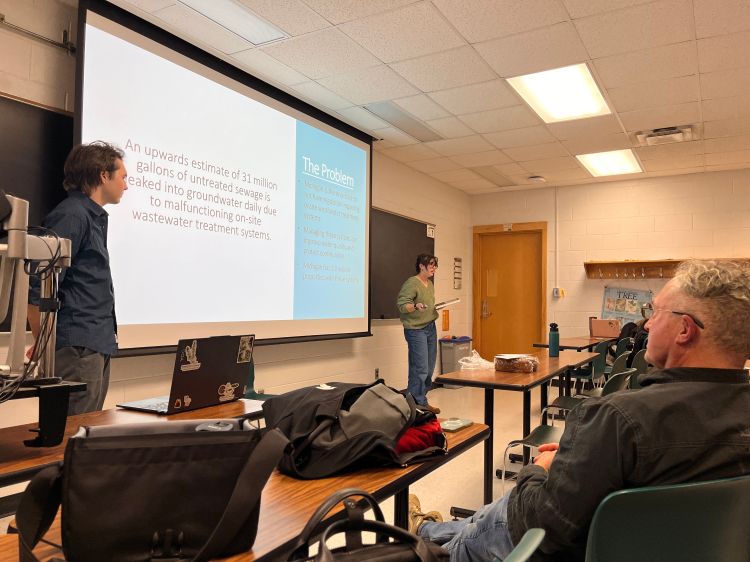
Students in the Department of Community Sustainability Environmental and Natural Resource Policy course (CSUS 464), led by Instructor Bob Wilson, had the unique opportunity to present their final policy proposals to a panel of local Lansing policy makers as the culmination of their course experience.
Throughout the semester, students worked in small groups to develop a legislative policy proposal for the Michigan legislature on a local environmental or natural resource issue. On April 20th, student leaders from each group gave a presentation on the highlights of their proposals to a panel of two Lansing policy makers, Emily Carney and Laura Campbell.
Groups developed policy proposals on several different topics ranging from; septic system remediation, solar energy production, farmland preservation fund, single use plastics, heat mitigation centers, municipal storm sewer systems, and data center management. Carney and Campbell brought their broad wealth of experience in natural resource and environmental policy in Michigan to provide feedback and discuss the students’ proposal based on their experience in policy development in Michigan.
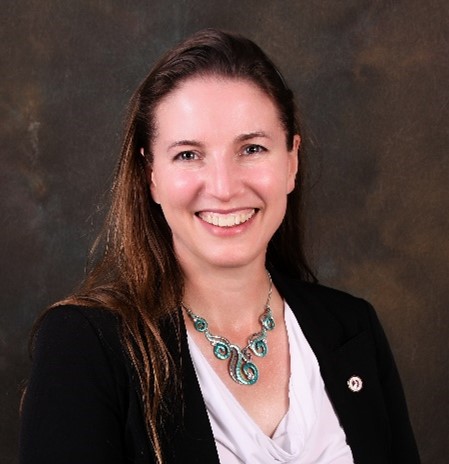
Focusing on real-world policy problems is an emphasis for the course design to encourage authenticity and relevance of the classroom experience. In his courses, Wilson is able to leverage his own extensive experience in Michigan policy making as Senior Counsel to the Senate Natural Resources and Environmental Affairs Committee. Campbell highlights the value of this real-world connection, “I think there is incredible value in students engaging in real-life policy questions because it not only provides insight into the actual intersection of science, law, politics, and partnerships, but also helps prepare them for a future of working with the issues they’re learning about in class. I consistently go back to topics I studied in my undergraduate and graduate education because they are pressing issues facing decision makers today about protecting both our environment and people’s ability to live and thrive in it.”
Wilson highlights the importance of not just focusing on real-world environmental policy problems, but taking it a step further by connecting students to the people who do the work in this space. Creating the opportunity for students to present their projects to a panel of policy makers and get real feedback on their proposals makes these projects not just another course assignment. “My work in the Michigan Senate over the years and my ability to connect with current policy makers made this class a perfect opportunity to take the same approach. Students get a chance to work on their own ideas for policy, learn how policy is made and then get feedback from policy making professionals in fully developing those ideas. This reinforces everything they learned in the classroom and also gives them the opportunity to create a network of contacts that may lead to potential career opportunities.” said Wilson.

Carney, as one of the course panelists lauded the student groups saying, “they put obvious and real effort into their work and it was truly enjoyable to hear their enthusiasm for their proposals and perspectives. It was refreshing to be in a room with fresh and passionate ideas on issues that the legislature has struggled with sometimes over decades. There were policy suggestions in more than one presentation that I look forward to sharing in future discussions.” Carney, Natural Resources and Budget Policy Advisor from the Michigan Senate Republican Policy Office, also served as Former Chief of Staff for Senator Mike Green and Senator Michelle McManus.
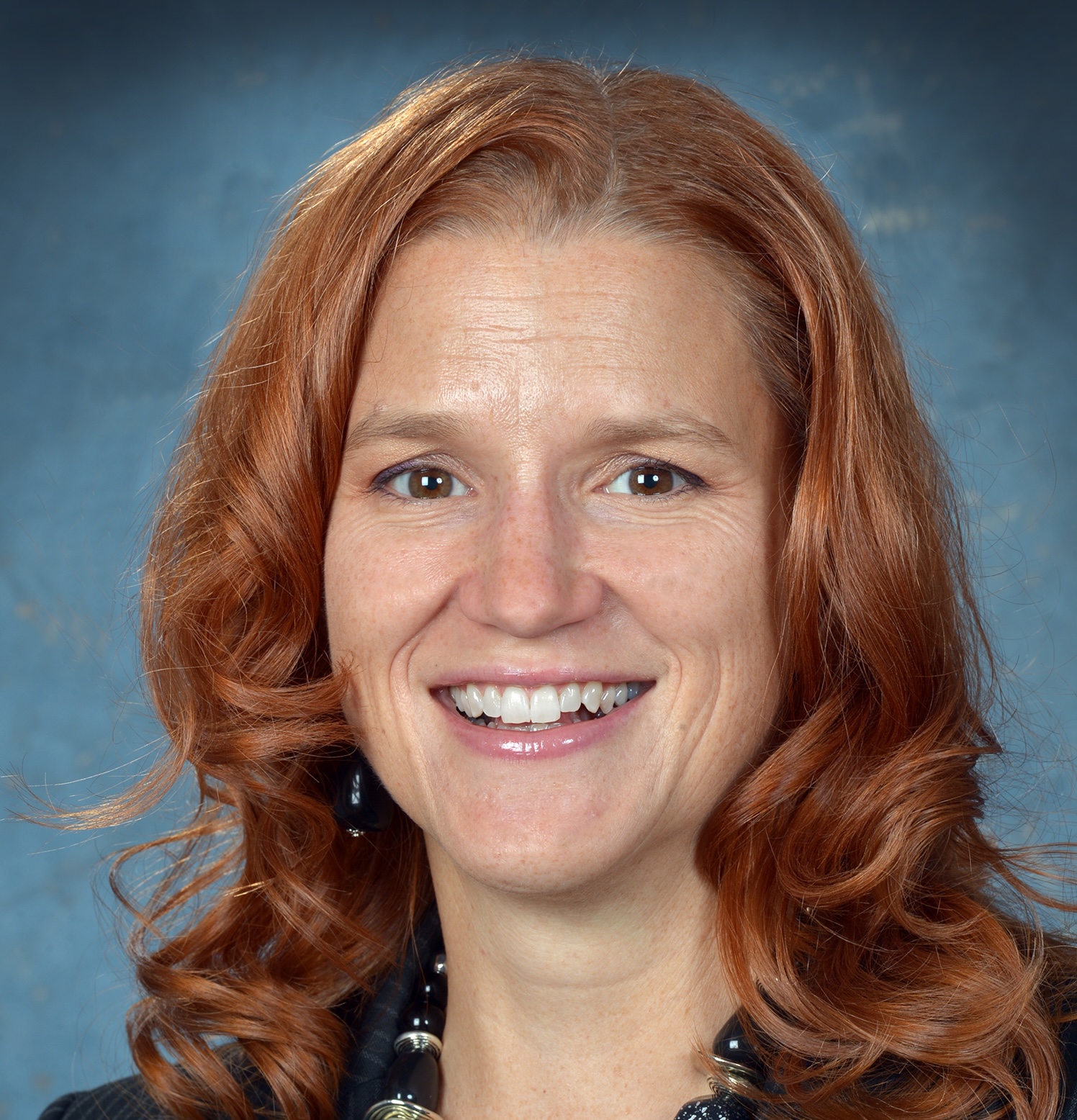
Campbell echoed the appreciation of the effort and enthusiasm of the student groups. “The presentations the students in Dr. Wilson’s class gave were real and pressing problems we deal with in environmental policy every day – complex challenges that are not going away anytime soon, and which they will encounter in their careers as policy professionals. This made their presentation topics not only timely but very useful to set these students up for success.” Campbell is a Senior Conservation and Regulatory Relations Specialist at the Michigan Farm Bureau and serves as Co-chair of the Michigan Agriculture Environmental Assurance Program and Co-chair of the Water Use Advisory Council.
One of the student group leaders, Delaney McIntyre, Environmental Studies and Sustainability major class of 2026, shared how her experiences developing a project that will be presented to professionals working in the policy space was a unique and impactful experience. “This project showed how the skills being developed in class can be applied outside of the classroom which is important when learning about policy in particular because it is everchanging, so you have to continuously learn to adapt your ideas. Knowing that we would present to local policy makers kept our proposal work grounded and ensured that we created something realistic and attainable.”

McIntyre also emphasized how this class was a helpful springboard as she prepares for her next phase after college saying, “As someone who is finishing their degree early, the more “real world” experience I can get, the better. A class like this not only builds applicable skills but also helps you gain valuable insights on different future careers. This class brought in guest speakers weekly which helped us network with people who have made careers for themselves in the world of policy.”
Campbell also noted the importance of these types of educational experiences to future professional success from her perspective at the Michigan Farm Bureau. “As an organization, Michigan Farm Bureau invests heavily in leadership development and success of students and young professionals. Our primary goal is to support the success of farmers and agricultural professionals, but for those industries to thrive, we also need smart and well-informed policy professionals engaged in environmental topics in all areas. Whether these students seek careers in agriculture or not, their influence on environmental policy will be felt by farmers so we want those future leaders to have the best start they can. It also gives me hope for the future that even though environmental challenges can be difficult and long-lasting, there is a new generation of excellent people ready to jump in to help solve them!”
With the end of the course, Wilson highlighted another exciting development that the majority of the student-developed policy proposals have been shared by the student groups with Carney and Campbell for consideration in their own policy-making efforts. It may be one day soon that students from spring 2026 semester of CSUS 464 could see parts of their policy proposals incorporated into future Lansing legislation.