


New video series discusses the economics of mastitis treatment
 Print
Print Email
EmailShorter antibiotic treatment durations promote animal health and reduce economic losses.
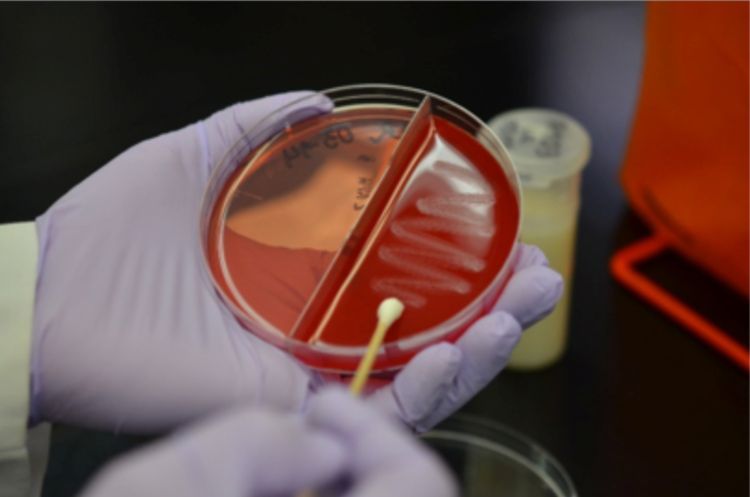
Articles published in scientific journals can be long and complex, so Dr. Pamela Ruegg, DVM, summarizes research papers published by her team in a new video series on her YouTube channel. These papers discuss economic aspects of mastitis treatment, including the costs of treating mild and moderate cases of mastitis during lactation, the costs of milk discard and antibiotics during treatment and determining which cows are eligible for selective dry cow therapy at the end of lactation.
A decision tree for milk and moderate cases of clinical mastitis
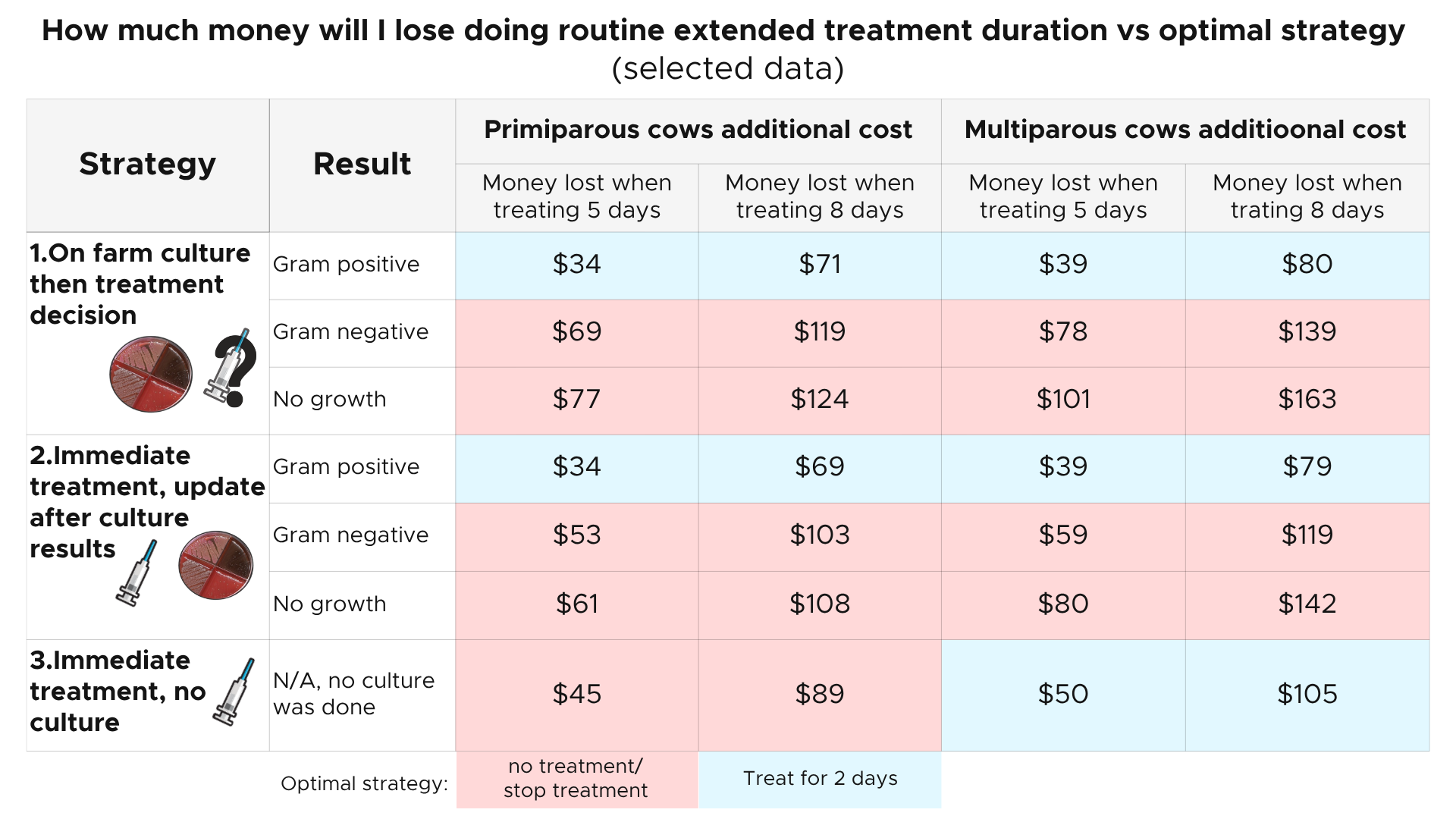
The paper, “Decision tree analysis of treatment strategies for mild and moderate cases of clinical mastitis occurring in early lactation,” was published in 2011 by Carolina Pinzon-Sanchez, then a graduate student with Dr. Ruegg. The researchers evaluated the costs of different durations of antibiotic treatment in dairy cows diagnosed with a first case of clinical mastitis in early lactation. Three treatment strategies were compared to determine which resulted in the lowest cost to treat a case of mastitis:
- Perform on-farm culture, then decide to treat with antibiotics based on the culture results
- Treat with antibiotics immediately, then use culture results to determine if the antibiotic treatment should be stopped or continued
- Treat with antibiotics immediately; do not perform on-farm culture
There are many economic considerations when treating mastitis beyond the cost of discarded milk and drugs. This includes the cost of diagnosis, additional labor, decreased future milk yield due to infection, decreased reproductive capability and the potential spread of mastitis to other cows due to contagious mastitis pathogens. Dr. Ruegg listed three key takeaways from the study:
Longer treatments cost more
The researchers found that using five or eight days of intramammary antibiotics consistently resulted in greater economic losses for the farm. This is true for both primiparous and multiparous cows and across all three treatment strategies listed above. The economically optimal decision was to either treat with a two-day course of antibiotics, or to not treat with antibiotics at all. While treating for a longer duration slightly increases the rate of bacteriological cure for some mastitis pathogens, this increase cannot offset the much larger economic losses of milk discard during and after antibiotic treatment.
The pathogen must dictate treatment strategy
Farms should generally treat mastitis cases caused by Gram-positive organisms with two days of antibiotics. These gram-positive pathogens include Staphylococcus aureus, environmental streptococci, and Coagulase-negative Staphylococcus (CNS). Several gram-positive mastitis pathogens are contagious, and infections can be spread through the herd through contaminated milking equipment. Typically, gram-positive mastitis cases can be controlled or cured using antibiotics.
In contrast, mastitis caused by Gram-negative pathogens should not usually be treated with antibiotics. Gram-negative bacteria, including E.Coli and Klebsiella are environmental pathogens that do not typically spread between cows on milking equipment and have a lower cure rate when treated with antibiotics.
Sometimes, when culturing a milk sample to determine the pathogen causing mastitis, there is no growth on the agar plate. In this case, the best strategy is not to treat with antibiotics. The cow’s immune system has likely cleared the infection, and treating with antibiotics will neither benefit the cow nor reduce economic losses. Farms may choose to culture again if symptoms worsen.
If you don’t perform on-farm culture, do not treat with antibiotics
Treating mild or moderate mastitis without determining the pathogen causing the infection is deciding on a treatment with incomplete information. Of the farms using on-farm culture in this study, 35% of samples had no growth, 30% of samples were Gram-negative bacteria, and 35% of samples were Gram-positive bacteria. Using these percentages, antibiotics would not benefit the cow in 65% of cases (no growth and gram-negative). Therefore, in the absence of on-farm culture, the best economic choice on dairy farms is to not treat mild and moderate cases of mastitis with antibiotics.

Accurate on-farm culture is a critical tool to guide mastitis treatment on dairy farms. Farmers can prevent increased economic losses by choosing to treat Gram-positive cases of mastitis for two days and not treating cases caused by Gram-negative pathogens. To learn more, visit Dr. Ruegg’s website here or view the complete video series.