Preserving Michigan’s farmland
 Print
 Email
There are resources and support available for farming families.
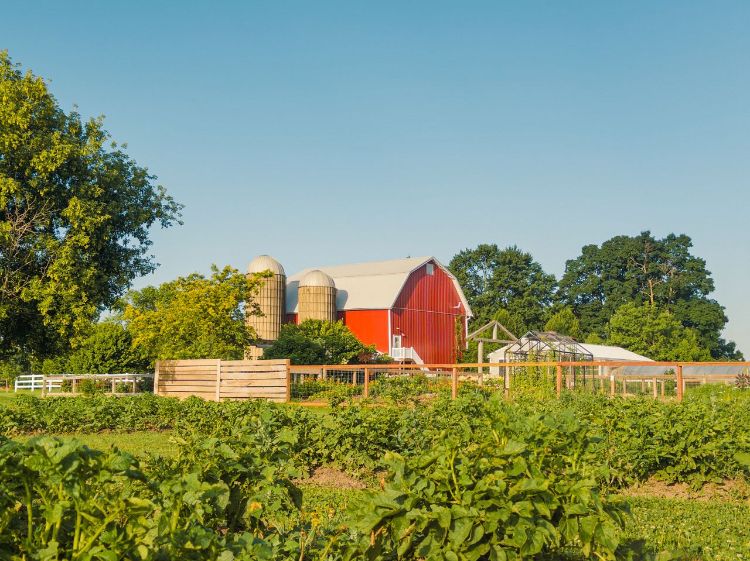
Over 800,000 Michigan jobs are supported by food and agriculture, and the industry contributes $125.8 billion annually to the state’s economy. As the second most agriculturally diverse state, Michigan leads sales in asparagus, pickling cucumbers, tart cherries, squash and some dry beans. Michigan is also one of the top producers of apples, blueberries, potatoes, milk, corn, soybeans and meat. We have a varied local food supply, and we contribute to food security for other states as well.
Yet, Michigan is losing farmland. Farming heirs are choosing other occupations, and selling off farmland to help pay for the cost of retirement and the long-term care of older family members. 670,000 farm acres in Michigan were lost between 2002 and 2022, and an additional 100,000 acres in 2024. Farmland has dramatically increased in value because there is less available. This increase in value is pricing out farmers, particularly young farmers. Instead of changing hands to be used for continued farming, land is being sold to land developers to ease the housing crisis. Tech companies are purchasing large amounts of farmland to build data centers in Michigan, and farmers are leasing to solar and wind companies to generate energy for the state.
While it is understandable for families to seek financial stability, there are some options that allow us to preserve the resource of farmland for future generations.
Resources to Preserve Farmland
Some families choose to sell future development rights to conservancy organizations. Although the family keeps the title to the land, land in a conservation easement cannot be used for commercial development or mining. The easement remains with the land, even if it changes owners, and protects the original purpose. There are some drawbacks to this kind of agreement. Conservation organizations pay only a portion of the overall value of the land and now have some control over how the land is used. Land cannot be divided, even when left to multiple heirs, but must remain as one large parcel. The land will continue to be farmland, but the owners now have some restrictions to consider.
Another resource is MiFarmlink. Farmers can struggle to find interested buyers who will farm the land. It can also sometimes be difficult for farmers to find land that meets their purposes, and they face competition from other farmers and from buyers who may want to use the land for other purposes. MiFarmlink, created in 2021, connects those who are looking to buy farmland for farming with those who want to sell it. Since its inception, MiFarmlink has saved 783 acres of farmland in Michigan. If you are interested in more information about this resource, MSU Extension created “Presenting Mi Farm Link: Connecting Farmers to Farmland,” a recorded webinar.
MSU Extension offers additional support to farm families in Michigan. The MSU Extension Farm Management team provides information about a variety of issues facing farmers including labor, taxes, marketing and navigating changes in legislation. Educators are available to work with families through succession, business planning and financial analysis. These resources can help families continue the legacy of farming and preserve farmland in Michigan.
Michigan State University Extension also offers a variety of programming and resources to support yourself or loved ones undergoing mental health distress. If you are a farmer coping with stress or feeling underappreciated, the Managing Farm Stress website at Michigan State University Extension offers resources like teletherapy and education about recognizing signs of stress. MSU Extension offers programs such as Mental Health First Aid, which can teach you how to support someone who is experiencing a mental health challenge or crisis. The MSU Extension Virtual Health Programs calendar offers a variety of programming to support your emotional and physical health needs.