


Understanding processed foods: What you need to know
 Print
Print Email
EmailMinimally processed and moderately processed foods are part of a healthy diet.
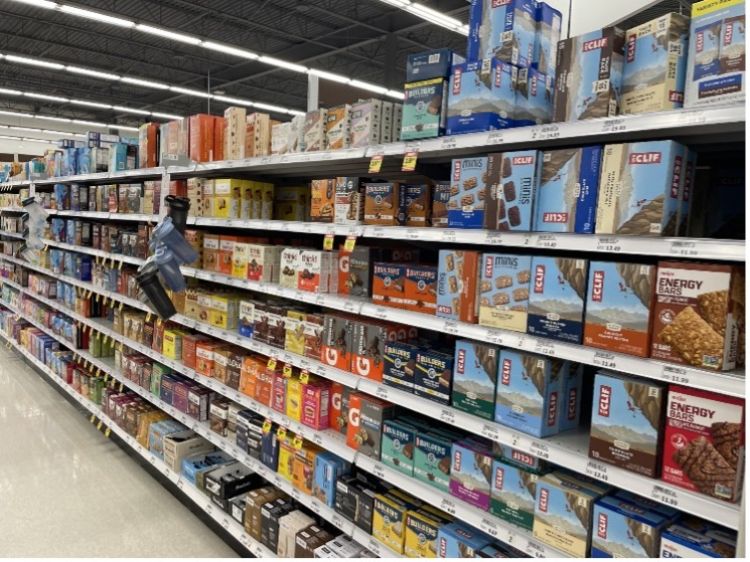
Processed food simply means any food that has been altered from its original state. This can include washing, chopping, freezing or more complex changes like adding preservatives. Processing isn’t new; humans have been doing it for thousands of years, starting with cooking over fire. Not all processed foods are unhealthy. Many are safe, convenient and nutritious. The key is understanding the degree of processing.
Types of Processed Foods
Several methods have been created to classify the types of processed foods. The most commonly used method is the NOVA food classification system. This system places processed foods into four groups.
- Unprocessed or Minimally Processed: Fresh or slightly altered foods that retain most nutrients. Examples: Fresh fruits, vegetables, frozen berries, roasted nuts, yogurt.
- Processed Culinary Ingredients: Ingredients extracted or refined from natural foods, used in cooking. Examples: Oils, sugar, flour, honey, salt, spices.
- Processed Foods: Foods combining groups 1 and 2, often with added salt, sugar, or oil. Examples: Canned beans, pickled vegetables, cheese, bread.
- Ultra-Processed Foods: Heavily modified products with additives, artificial flavors, and low nutritional value. Examples: Chips, candy, soda, frozen meals, fast food.
Pros and Cons of Processed Foods
Advantages:
- Longer shelf life (pasteurization and canning reduce spoilage)
- Convenience (ready-to-eat or easy-to-prepare options)
- Affordability (frozen or canned produce often costs less)
Disadvantages:
- Ultra-processed foods are high in sugar, salt, and unhealthy fats. They are linked to health risks like heart disease and diabetes.
- Ultra-processed foods are easy to overeat due to low fiber and high palatability.
Tips for Healthier Choices
- Read labels: Check for saturated fats, sodium and added sugars.
- Choose frozen or canned produce: Opt for items without salty sauces or sugary syrups.
- Look for the Heart-Check mark: This indicates foods meeting American Heart Association nutrition standards.
- Order smart when dining out: Ask how food is prepared, request sauces on the side, and choose cooked-to-order options.
- Cook at home: Cooking at home gives you control over ingredients and can save money.
- Make simple swaps:
- Homemade vinaigrette instead of bottled dressing
- Fresh fruit in oatmeal or yogurt instead of flavored varieties
- Leftover roasted chicken instead of processed deli meats
- Snack smarter: Consider eating nuts, seeds, fresh fruits, veggies or homemade popcorn.
Visit MSU Extension’s recipe website for ideas on preparing nutritious, delicious and budget-friendly meals.