Vitamin E supplementation for sheep and goats
 Print
 Email
An overview of vitamin E in small ruminant nutrition, potential routes of action and strategies for supplementation.
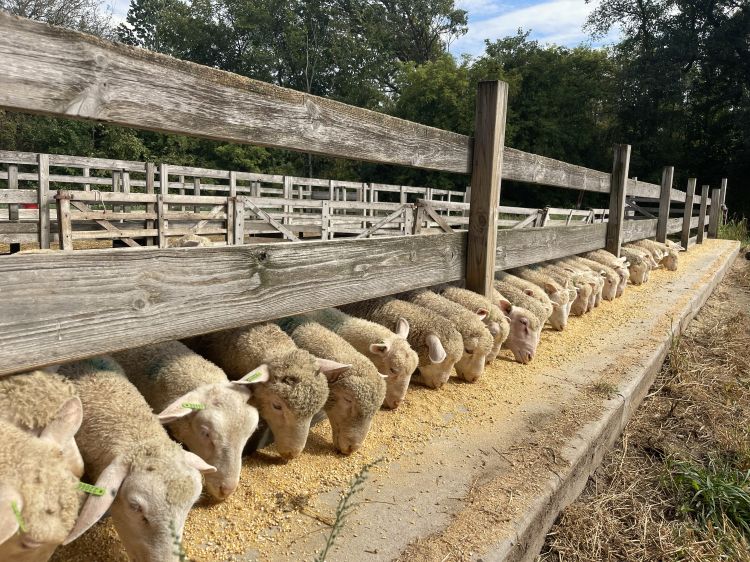
One of the remarkable changes between the 1985 and 2007 editions of the National Research Council’s (NRC) recommendations for small ruminants is the large increase in the requirement for vitamin E. The important dual roles of vitamin E and selenium in preventing white muscle disease remain well appreciated, but what has become clear over the past decade is that the supranutritional (supra-means above the norm) supplementation of vitamin E may augment white muscle disease protection and possibly have additional therapeutic roles.
Benefits of Vitamin E supplementation
Lamb survival and “vigor” at birth
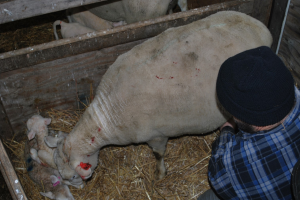
Several studies have examined the effects of vitamin E supplementation in the ewe’s feed during the last 2-4 weeks of pregnancy on lamb birth weight, survival, cold tolerance, vigor and immune function. Collectively, these studies indicate that vitamin E supplementation during late pregnancy can improve lamb birth weight and cold tolerance, with the combined effect of reducing loss at birth. This benefit is likely only realized when the stored forages are low in vitamin E. The vitamin E content of forages is a function of the stage of maturity, storage method and length of storage. Sunlight and oxygen exposure degrade vitamin E, which is why the vitamin E content of fresh pasture >> haylage >> dry hay. Vitamin E concentration also decreases as plants mature. Fresh forages (grasses or legumes) may contain vitamin E at 70 IU/lb. dry matter (DM), whereas haylage levels may drop to 30 IU/lb. DM, and dry hay to <10 IU/lb. DM. Producers have commonly observed that the vigor of lambs born on pasture in late May is much higher than those born indoors in January. There are many factors that come to mind which may explain such a difference, but one of those might be vitamin E.
Vitamin E and meat quality
Vitamin E supplementation may also improve the shelf life of lamb and kid products. The level of vitamin E that is recommended to accomplish this goal is 4.54 IU/lb bodyweight. This is nearly double the amount suggested to protect lambs from white muscle disease and to enhance immunological responses to disease challenge. It is not clear whether or not this level of supplementation would be economical for most producers.
Routes of action
Vitamin E is a component of cell membranes as well as intracellular membranes and acts to protect cells from oxidative damage. Vitamin E is closely associated with the selenium-containing enzyme glutathione peroxidase, and when combined they afford a higher level of protection against oxidative damage. This oxidative damage protection role is very important during periods of immune challenge (i.e. first two weeks of life, weaning period) and also during periods of active thermogenesis (heat production) such as is required in newborn lambs.
The vitamin E tissue content of lambs is significantly increased when mothers are fed supplemental vitamin E, indicating a significant transfer of vitamin E via the placenta. It had been previously thought that maternal vitamin E supplementation during pregnancy improved vitamin E concentration in tissues after birth in lambs from colostrum consumption, but if this was the only route source, it would be surprising to see an effect of vitamin E on vigor at birth and/or size at birth. More research is needed to better understand this phenomenon.
How and when to supplement Vitamin E
The vitamin E content of stored forages is remarkably variable, and vitamin E can degrade appreciably over time. Dry hay, and especially dry hay that has been rained-on (severe losses due to leaching), typically has a low vitamin E concentration, whereas quality silage products can preserve vitamin E at high levels. Fresh forages have high vitamin E concentrations, making supplementation to small ruminants on pasture not necessary. Most of the stored forages commonly fed during winter in Michigan are markedly deficient in vitamin E. Fortunately, vitamin E is a relatively inexpensive vitamin to supplement and has a wide margin of safety in dosage.
The NRC 2007 edition recommends 2.4 IU vitamin E per pound bodyweight for growing lambs as well as for ewes in the last 30 days of pregnancy. This translates into 60-80 IU of vitamin E per pound of complete diet (similar to that found in fresh forage/pasture) for both sheep and goats. In order to provide 2.4 IU/lb. bodyweight, it is necessary to have an estimate of voluntary feed intake and the vitamin E content of forages and other feedstuffs in the diet during late pregnancy. As an example, for a feeding program of winter lambing ewes (consuming approximately 5 lbs. of dry matter per day), supplement 125 IU of vitamin E per pound of grain mix. Feeding roughly 1.5 lbs. of this mix, with the remainder of the diet consisting of good-quality silage, should bring the diet close to the vitamin E requirement.
Supplementing vitamin E in the grain is an inexpensive means of ensuring adequate vitamin E concentration in the total diet. Vitamin E concentrate typically comes as a 20,000 IU per pound dry powder supplement and is carried by most feed mills. This dry powder form may also be available in small batches (1-5 lbs.) in certain livestock supply stores (check the Horse section). Essentially, the goal is to replace the losses incurred during forage harvest and storage. The cost of this level of supplementation may be less than $0.50 for the entire 30-day pre-term period, making this inexpensive insurance for your lambing program. Michigan State University Extension recommends that producers add more vitamin E to a grain supplement if forage losses of E are predicted to be particularly high. There is a wide margin of safety if excess vitamin E is consumed, making this a safe insurance program if the forage content is unknown.
Vitamin E supplementation of stored feeds fed to small ruminants during late pregnancy is an inexpensive preventative health measure that has been shown to improve lamb and kid birth weight and vigor at birth. It is not a magic bullet that eliminates all problems but is likely an economical and practical means of reducing the risk of loss at birth. There are many small ruminant producers that are adopting this practice, and the results of several studies indicate that this is one bandwagon worth jumping on.