Wearing two hats at the fair: What 4‑H volunteers need to know
 Print
Print Email
EmailWhat to think about when you have to manage multiple roles.
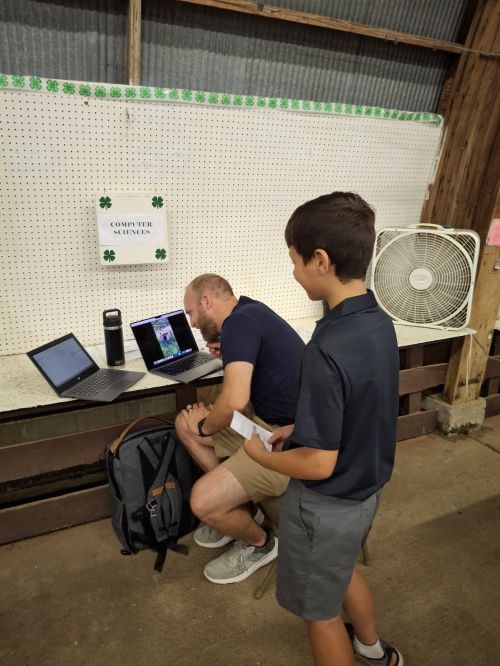
County fairs can be one of the major highlights of the 4-H year for youth and volunteers. Fairs are busy, exciting, and full of opportunities for young people to showcase their learning and growth from the past 4-H year. Fairs are also times when many 4-H volunteers find themselves wearing multiple hats, serving in more than one role during the fair week. In addition to supporting 4-H members, often times Michigan State University Extension 4-H volunteers will serve as superintendents, judges, exhibitor support persons, fair board members or parents. While this is common and often necessary, it can also create questions about boundaries, fairness and responsibilities.
Serving in multiple roles is often unavoidable but volunteers should take time to reflect on the different roles they hold. It is important to be clear about responsibilities and limits. By being thoughtful and intentional about multiple roles, volunteers help ensure that safe and positive experiences are created for all youth. The activity, “What’s on your 4-H leader plate,” can help one think about all of their roles and responsibilities.
Wearing multiple hats can create real or perceived conflicts of interest, even when everyone involved has the best intentions. Youth and families may struggle to understand which role a volunteer is acting in at a given moment, especially during emotionally-charged situations such as judging decisions or rule enforcement. Without clear boundaries, this can impact youth experiences and trust in the program.
MSU Extension recommends volunteers who serve in more than one role at the fair consider the following points so they can navigate situations with confidence:
- Put youth first. Decisions should always prioritize youth safety, learning and well- Staying true to this framework and communicating this with others can help individuals understand the “why” of a decision.
- Be transparent. Sharing your roles with 4‑H staff and fair leadership ahead of time allows potential conflicts to be addressed proactively. Clearly identify which role you are acting in during specific situations.
- Avoid influence. Volunteers should not use their position to affect evaluations, awards, discipline or grievances involving youth. Step back from decision-making when a conflict of interest exists or could be perceived.
- Respect policies and boundaries. MSU Extension, 4-H and fair policies exist to protect youth, volunteers, the integrity of the program and the fair.
4‑H volunteers bring incredible dedication, flexibility and care to county fairs. Wearing multiple hats is often part of that commitment. By being intentional about roles, communicating openly and keeping youth at the center of every decision, volunteers can help create fair experiences that are safe, positive and meaningful for all young people.
For helpful volunteer training content, check out the MSU Extension Michigan 4-H Volunteer Webinar Series webpage.
MSU Extension and Michigan 4-H Youth Development help to prepare young people for successful futures. To find out how to get involved as a youth participant or an adult volunteer, contact your county MSU Extension office.