What’s trending in packaged food and beverages
 Print
Print Email
EmailInsights from the Michigan State University Product Center on new trends in packaged foods.
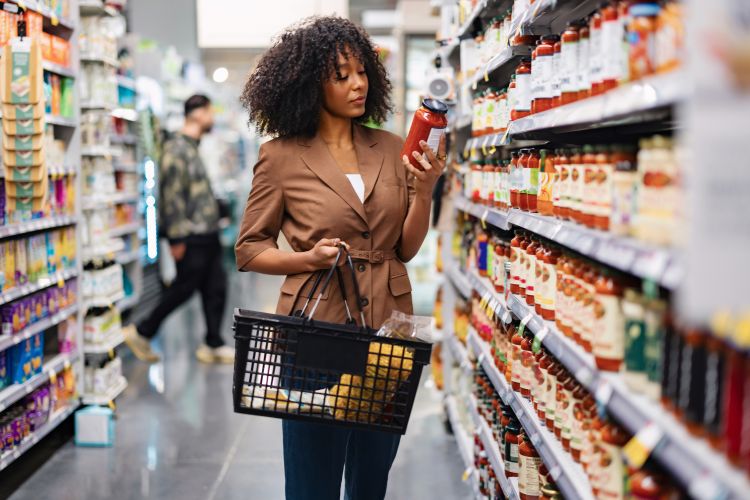
The packaged food industry continues to evolve rapidly as consumer expectations shift. From rising demand for health-focused products to increasing price sensitivity and sustainability expectations, today’s food entrepreneurs must balance innovation with practicality.
Below are the most important trends shaping the consumer-packaged goods (CPG) landscape right now — and what they mean for new and growing food and beverage businesses.
Value is the new battleground
Even as inflation has moderated, consumers remain highly price-conscious, according to Deloitte’s “2026 Consumer Products Global Outlook.” Many shoppers are actively looking for deals, switching brands more frequently and prioritizing products that offer clear value for the price. According to Deloitte, nearly half of consumers now identify as “value seekers,” making careful trade-offs between price, convenience and quality.
At the same time, private label products are gaining ground. Retailers are investing heavily in store brands that offer competitive pricing, which can be tough competition for smaller emerging brands. Entrepreneurs must clearly communicate why their product is worth the price, whether that’s through quality ingredients, functionality or brand story.
Health, wellness, and functional foods continue to lead
Health remains a top driver of packaged food innovation, but the trend has become more specific and targeted. Today’s consumers are looking for products that offer functional benefits such as:
- High protein
- Gut health support (fiber, probiotics)
- Energy, immunity and cognitive support
Reports, such as “Innova 2026 Food & Beverage Trends,” highlight continued growth in protein-rich and gut health–focused foods, with many consumers actively seeking to increase protein intake.
Clean label and transparency are expected
Consumers are paying closer attention to ingredient lists than ever before. The demand for “clean label” products — those with simple, recognizable ingredients and minimal processing — continues to grow.
Shoppers increasingly expect:
- No artificial additives
- Transparent ingredient sourcing
- Nutrition Facts labeling
- No confusing language or unproven claims
For example, if you have a “Gluten Free” claim on your package, you need to have third-party certification of this claim or have lab testing to prove your product meets U.S. Food and Drug Administration (FDA) requirements.
Sustainability and packaging matter
Yasmin Tamanna for StartUs Insights reports that sustainability is an increasingly important factor in consumer purchasing decisions. Many shoppers actively seek environmentally-responsible packaging and ethically sourced products. Entrepreneurs need to be able to communicate how their packaging can be reused, recycled or composted. For those entrepreneurs considering compostable packaging, keep in mind that many Michigan communities lack access to industrial composting services, which many types of compostable packaging require.
Digital, direct-to-consumer and omnichannel growth
The ways that consumers discover and purchase food products are changing. Online shopping, subscription models and direct-to-consumer (DTC) channels continue to grow, offering brands more ways to connect directly with customers. Businesses should think beyond the traditional retail sales method and consider multi-channel sales strategies.
Final takeaways
Across all of these trends, a few key themes stand out:
- Consumers want more value
- Health is shifting toward benefit-driven foods
- Transparency and simplicity build trust
- Competition is increasing, especially from private label brands
- Digital and DTC channels are surging
For food entrepreneurs, success in today’s market comes down to clearly answering one question: Why should a consumer choose your product and buy it again?
About the MSU Product Center
Michigan State University Extension and the MSU Product Center leverages MSU’s extensive expertise in food, agriculture and natural resources to help entrepreneurs define, develop and successfully launch innovative products. Through business counseling, technical assistance, educational programming and market access opportunities, the MSU Product Center plays a critical role in strengthening Michigan’s food and agriculture economy.
To learn more about the MSU Product Center and its programs, visit canr.msu.edu/productcenter.