Applied dairy nutrition in action
 Print
 Email
What on-farm research looks like at scale.
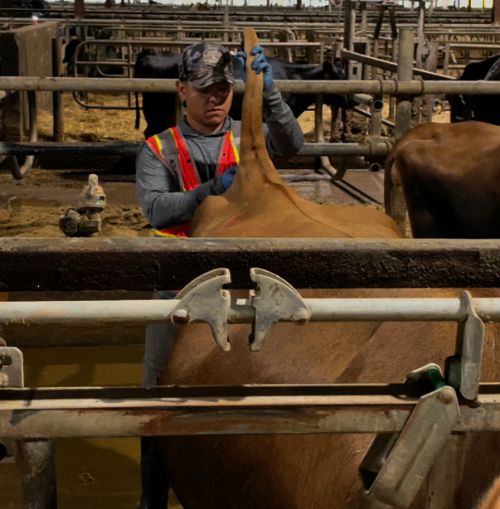
This summer, graduate student Oscar Reyes had the opportunity to step into the pens of modern dairy production as this year’s dairy nutrition intern with Riverview LLP, based in Morris, Minnesota. His objective heading into this 10-week experience was straightforward: put himself in the shoes of a nutritionist and technical support agent and hone the practical skills required to provide technical support in today’s dairy landscape. What he gained was a firsthand look at how research moves from concepts to commercial execution across sites with thousands of cows.
For graduate students in dairy science, doing research on commercial facilities offers a distinct perspective compared to controlled university research trials. On a commercial site, statistical power comes from sheer volume and success relies heavily on logistics, team communication and understanding practical variability of daily farm flow.
Balancing science and economics on the farm
During his time in Minnesota, Reyes led a trial evaluating transition cow health, specifically focusing on preventing clinical hypocalcemia, also called milk fever. While negative-DCAD (dietary cation-anion difference) diets are the traditional standard for transition cow management, incorporating zeolites represents a different approach to controlling blood calcium dynamics, at a financial premium.
With 50 to 60 calvings a day at the primary trial site, Reyes and colleagues had the platform to test a combined DCAD + zeolite approach at scale. Out of roughly 1,300 calvings evaluated during the trial period, they recorded just 12 total cases of clinical milk fever in the first month of data collection: four in the treatment group and eight in the control group. While these initial results are encouraging, on-farm research requires deeper analysis. Recent herd culling dynamics and seasonal management factors mean data collection needs to continue over time to confirm trends.
From a technical support standpoint, the scientific question quickly becomes an economic one:
At an estimated cost of about $400 per clinical hypocalcemia case (factoring in immediate treatment, diagnostic time, labor and lost milk throughout lactation), does the reduction in incidence outweigh the added cost of the zeolites? Additionally, animal welfare is improved when implementing a strategy such as this, as it reduces the overall incidence of illness throughout the herd while being more efficient with resources.
Lessons from the feed pad
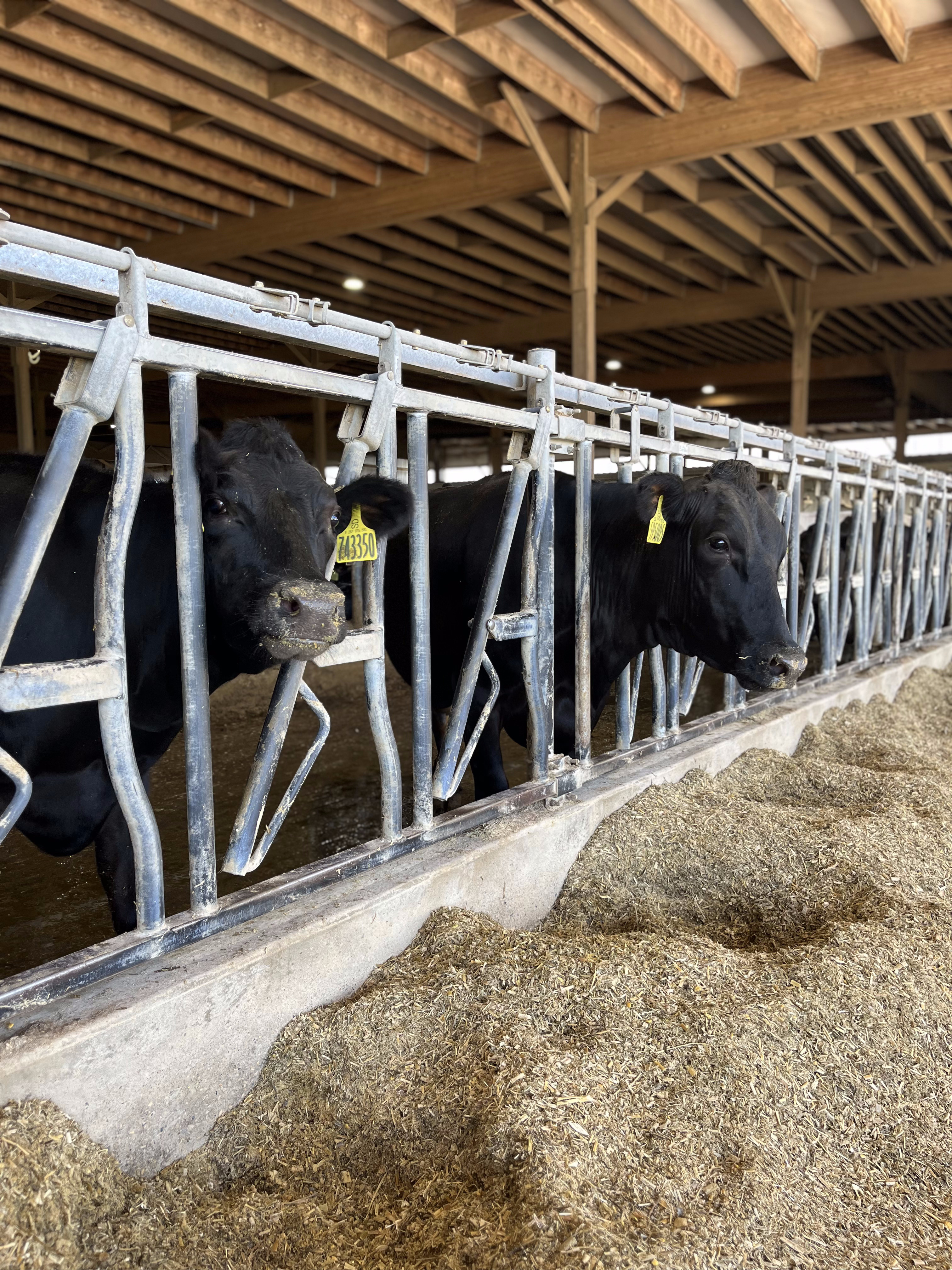
The biggest takeaway from a summer working with the technical team at Riverview LLP is that high-level nutrition strategies mean very little without sound herd management and strong team execution. Reading a farm requires walking the pens, checking feed consistency, observing cow comfort, utilizing modern resources to follow trends and recognizing the hard work executed daily by frontline crews. Whether it was covering haylage piles in the summer heat or assisting night shifts in maternity, this experience reinforced why applied science matters. As he completes his master’s degree at Michigan State University, this experience provided a clear view of how academic research directly informs the decisions made on modern dairies every day.
Reyes extends special thanks to Daryl Maulfair, Aaron Hoover, Carrisa Amoriello, Brett Boyum and Sam Cnossen for playing pivotal roles in his learning experience at Riverview LLP.