Michigan’s Soil Health Investment Program: A collaboration success story
 Print
Print Email
EmailThrough its partnership-based, farmer-informed approach, SHIP has boosted conservation practice adoption to improve nutrient retention and soil productivity.
Phosphorus in the Western Lake Erie Basin is a key driver of harmful algal blooms, which threaten water quality. In response, Michigan aims to reduce phosphorus losses from farms by supporting producers to increase the use of conservation practices.
To support this effort, the Soil Health Investment Program (SHIP), an incentive-based conservation adoption program funded through Environment, Great Lakes and Energy (EGLE) funding from the Great Lakes Restoration Initiative, was created. SHIP funds conservation practices that reduce soil loss and nutrient runoff while promoting soil health and yield. It connects producers and technical specialists to develop practical, farm-specific conservation plans.
With more than 50 farms enrolled, SHIP has supported the deployment of precision nutrient management tools, in- and edge-of-field erosion-resistant infrastructure, and year-round soil covers (i.e. cover crops).
A partnership-based conservation model
Conservation districts, which already have established relationships with local producers, were engaged early in the program’s development. This approach helped ensure that SHIP aligned with real-world field conditions and producer needs. Through SHIP, conservation technicians work one-on-one with producers to design conservation plans, understand eligibility and payments, and communicate producer feedback back to SHIP’s EGLE technical assistance provider. EGLE then shares updates and resources from the program with key stakeholders, reflecting the agency’s ongoing collaborative efforts.
Two-way communication allows the program to evolve as challenges emerge. Monthly meetings, shared documentation, and collaboration tools allow districts and state staff to quickly address questions, refine guidance, and maintain consistent standards. Private sector partners, including crop advisors, engineers, and drainage contractors, were also involved early in the process to streamline planning and installation. Together, this structure created a program shaped by on-the-ground realities rather than assumptions made at the office.
Practices supported by SHIP
Farmers can adopt single practices or combine multiple practices into a long-term conservation strategy. Supported practices focus on reducing runoff while maintaining productivity, including:
Precision nutrient management
- Optimizing fertilizer application timing and placement
- Matching nutrient application to crop needs
- Reducing phosphorus loss on fields
Soil Health practices
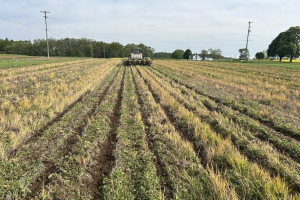
- Cover crops for year-round soil cover
- Reduced tillage to help maintain soil structure
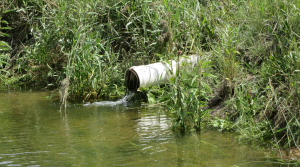
Edge-of-field / structural practices
- Erosion control drainage features
- Water management infrastructure
- Tools to capture nutrients and sediment from leaving the field
Conservation specialist Allegra Baird emphasizes that the program’s systems-based planning allows producers to consider entire field management strategies rather than single practices, creating more complete conservation plans.
Lowering barriers to participation
SHIP took aim at common farmer complaints regarding conservation funding by providing:
Flexible enrollment
- Rolling applications instead of a single deadline
- Multiple practice options
- Can start small and expand over time
Financial support
- Defined payment rates
- Practice incentive payments
- Reduced upfront risk
Local guidance
- One-on-one conservation planning with technicians
- Practical implementation advice
- Community contacts
By delivering financial, technical and administrative support to implement best management practices, SHIP supports a manageable, effective approach for large and small farms in the region.
Adaptive management and ongoing improvements
As SHIP expanded, new challenges arose. Although the program’s design simplified administrative work, conservation districts and producers still faced issues with technical training, uncertain financial conditions and time constraints.
In response, EGLE’s Nonpoint Source Program and its partners have relied on continuous feedback to edit guidance, practice support and timelines. This responsive approach has helped the program address new challenges and guide where additional resources, like professional development and updated technical guidance, could better boost conservation practice adoption.
Looking ahead
The continued expansion and success of SHIP will depend on maintaining collaborative partnerships. The program can continue to reach producers by increasing technical training, improving coordination with private-sector partners and conservation districts and addressing gaps in practice eligibility. Continuous feedback from conservation districts and program participants will remain key to SHIP’s adaptability and alignment with Michigan’s water quality goals.