Mycotoxins in feed Part 1: A quick guide for pig producers
 Print
Print Email
EmailInspired by a very wet Michigan spring, this series provides a refresher on mycotoxins, their effects and mitigation in pig production.
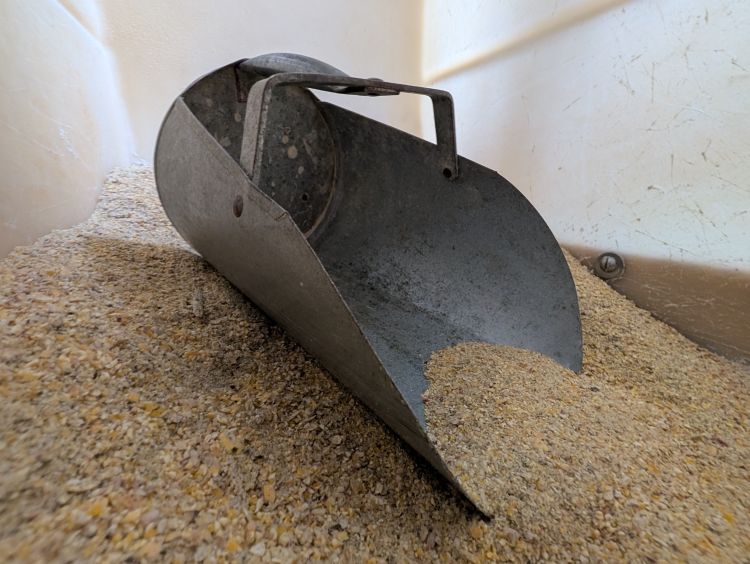
Mycotoxins are substances produced by certain types of fungi, or mold, that are harmful to animals when ingested. There are several types of mycotoxins, but those commonly identified in animal agriculture include: aflatoxin, fumonisin, ochratoxin, T2 toxin, deoxynivalenol (DON, or vomitoxin), and zearalenone.
Mycotoxins do not threaten animal health equally across species. This is in part because different fungi occur at different rates across feedstuff, including corn, forages, cereal grains such as wheat and oats, and oilseeds such as soybeans and canola. Fungal growth and mycotoxin accumulation can occur during crop growth, storage or processing, thereby contaminating our animal feed.
The diet we feed our animals largely determines which mycotoxins are ingested and pose the greatest risk. Corn and soybean meal are two major ingredients in pig diets that may contain mycotoxins. Among these two feed ingredients, the most common mycotoxins threatening pig health are fumonisin, vomitoxin and zearalenone. Table 1 below breaks down the risk level of each mycotoxin based on 2025 reports.
Table 1. Risk level of the major mycotoxins in pigs.
|
Mycotoxin |
Weaned Pigs |
Finishing Hogs |
Breeding Herd |
|
Fumonisin |
Moderate (37%) |
Moderate (34%) |
Low (12%) |
|
Vomitoxin |
High (60%) |
Moderate (44%) |
Moderate (34%) |
|
Zearalenone |
Slight (10%) |
Slight (6%) |
Low (22%) |
Risk level based on the percentage of feeds tested and determined to be at a level estimated to cause performance loss in 2025; Slight = at or below 10%, Low = 11-25%, Moderate = 26-50%, High = 51-75%, Severe = above 75%
Important note for pigs raised outdoors or in mixed-species environments
In Michigan-grown corn, aflatoxin has not been a large concern. However, if the pigs you raise have access to other feeds (e.g., hay, haylage or silage for cattle) or various fruits, vegetables, or nuts, they may be at risk of ingesting additional types of mycotoxins, such as aflatoxin. This risk may increase even more during warm summer weather when feeds spoil at a faster rate. It is important to monitor all accessible feed for signs of spoilage or mold.
If a feed tests positive for mycotoxins, is it too risky to feed?
While it is always ideal to be toxin-free, a feed that tests positive for mycotoxins does not necessarily mean it cannot be fed. Mycotoxins can be present in feed at a detectable level, but not at a level harmful to production. For example, in 2025, 79% of tested feeds had detectable levels of fumonisin, but only 45% had levels that were predicted to cause performance loss. Even then, there are ways to help mitigate that risk, such as diluting with toxin-free grain or including mycotoxin binders so the feed can still be used.
Why does risk differ between the production stages?
Risk can depend on the nature of the mycotoxin, but also the biology of the animal. Nursery pigs are still developing their gut and immune systems. So, while the symptoms caused by fumonisin and vomitoxin are similar across stages, nursery pigs are the most sensitive to them. Zearalenone can mimic estrogen, a key female reproductive hormone, and therefore is most harmful to production in breeding females than in young pigs or castrated males. Table 2 below summarizes the common symptoms associated with each mycotoxin observed at each production stage.
Table 2. Symptoms of acute or chronic exposure to the major mycotoxins in pigs.
|
Mycotoxin |
Weaned Pigs |
Finishing Hogs |
Breeding Herd |
|
|
Acute |
respiratory distress, blue-ish mucus membranes, sudden death |
respiratory distress, abortion, sudden death |
||
|
Chronic |
loss of appetite, reduced growth, lethargy and sometimes jaundice |
|||
|
|
Acute |
diarrhea, vomiting, sudden death |
diarrhea, abortion, sudden death |
|
|
Chronic |
sharp decrease in appetite, feed refusal, stunted growth and immune dysfunction |
sharp decrease in appetite, feed refusal, weight loss, poor fertility |
||
|
Acute |
Inflamed, swollen vulva |
Reproductive dysfunction, abnormal cycles, small litters, infertility |
||
|
Chronic |
Vaginal or rectal prolapse, swollen vulva, estrus behavior |
|||
Key Takeaways
- Corn and soybean meal are key ingredients in pig diets and often contain mycotoxins, but the detectable presence of mycotoxins does not always translate to real risk
- Vomitoxin is the greatest mycotoxin threat to pig production, causing feed refusal, stunted growth and/or weight loss, and in severe cases, death
- Nursery pigs are more sensitive to the effects of fumonisin and vomitoxin
- Zearalenone can greatly disrupt breeding herd productivity by affecting reproduction
Articles in this series
Mycotoxins in feed Part 1: A quick guide for pig producers
Mycotoxins in feed Part 2: Key mycotoxins that matter in swine