Navigating pesticide certification and recertification in Michigan
 Print
 Email
Everything applicators need to know about exams, credentials, training resources and continuing education requirements.

Pesticide certification is an important step for anyone who applies or supervises the use of restricted-use pesticides in Michigan. Certification ensures that applicators are trained to handle pesticides safely, responsibly, and in compliance with state and federal regulations. Whether you are a first-time applicant or an experienced applicator preparing to renew your certification, understanding the certification process and available recertification options is essential to maintaining your credentials.
To further support Michigan pesticide applicators, the MSU Pesticide Safety Education Program (PSEP) through Michigan State University Extension has developed this short FAQ to help restricted use pesticide (RUP) applicators and other pesticide professionals identify the best options for testing and recertification across the state. Whether you work in production agriculture, landscaping, greenhouse management or another pesticide-related profession, this article will guide you through the process of becoming certified, maintaining your credentials, and taking advantage of upcoming training and testing opportunities.
What is pesticide certification?
In Michigan, pesticide certification is a process required for individuals who intend to apply or supervise the application of pesticides, particularly for those using RUPs. Certification ensures that applicators have the knowledge and skills necessary to safely handle and apply pesticides, protecting public health, the environment and non-target organisms. The Michigan Department of Agriculture and Rural Development (MDARD) has developed a handy flowchart to help you determine whether a certification is the appropriate option for you.
What are the different types of certifications?
- Private applicator certification
- Commercial applicator certification
- Registered applicator
Private applicator certification: This is for individuals who use or supervise the use of RUPs for the purpose of producing an agricultural commodity on their own lands or their employer's land, or on land rented to them. Applicators must pass the private core exam.
Commercial applicator certification: This is for individuals who apply RUPs for commercial purposes (for-hire or for anyone who applies non-ready-to-use pesticides) during their employment. All commercial applicators must pass the commercial core exam and at least one category exam depending on the type of applications being completed. See the Commercial Pesticide Application Certification Categories List to decide which categories to include on your application.
Registered applicator: This may be appropriate for applicators who apply general-use pesticides for a commercial purpose under the supervision of a certified applicator. Registered applicators are not allowed to apply RUPs. Registered applicators must be trained by an MDARD-approved trainer using an MDARD-approved training program that meets Regulation 636, Rule 8, Subrule 9 requirements. Approved trainers must pass the Registered Applicator Trainer Exam and be a commercially certified applicator with at least two seasons of experience applying pesticides in the categories which they will train registered applicators. A Registered Applicator Trainer Manual is available for trainers to study for the exam. To schedule your exam, contact Safa Alzohairy, PSEP coordinator, at safa@msu.edu.
What are the requirements to become a commercial pesticide applicator?
To become a commercial certified applicator, individuals must be 18 years of age or older. Each applicator is required to pass the Commercial Core Exam, which includes the national pesticide standards and the Michigan pesticide standards (addendum). These are two separate study manuals. In addition, study the manuals for the appropriate categories of pesticide applications need and then take the correlating exams.
What are the requirements to become a private pesticide applicator?
To become a private certified applicator, individuals must be 18 years of age or older. Each applicator is required to pass the Private Core Exam, which includes the national pesticide standards and the Michigan pesticide standards. These are two separate study manuals. If you are applying fumigants, you also need to have the fumigation standard.
What are the requirements to apply fumigant pesticides?
Individuals who plan to apply fumigants must pass an additional standard exam for fumigation.
What are the requirements to become an aerial applicator?
In Michigan, aerial pesticide application is regulated by MDARD for both crewed aircraft and drones. Anyone controlling an aircraft for pesticide use is considered an aerial applicator. Crewed applicators fly airplanes or helicopters, while uncrewed applicators operate drones either remotely or autonomously. MDARD sets certification, licensing and equipment standards, with specific requirements for each type of aerial operation. Detailed guidance is available through MDARD’s commercial and private UAV applicator flowcharts. Visit the MDARD webpage for Aerial Pesticide Applicators for more information.
Where can we purchase updated training manuals?
Private core, commercial core and category manuals can be purchased online at msupesticidemanuals.com. County MSU Extension offices may also have copies available for purchase. Visit MSU Extension's website to locate the nearest county Extension office to you. Please call ahead for availability.
What are the different options for taking the exam?
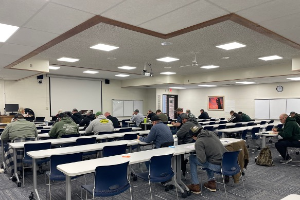
To learn more about the different options for taking the MDARD exam in-person or electronically, visit Michigan Pesticide Applicator Core Review Sessions, RUP Credits and MDARD Testing.
For other common certification and recertification frequently asked questions, visit the MSU PSEP FAQs or the MDARD FAQs. To see your current credit status, visit the Pesticide Applicator Credit Report.