


Soil health and why it matters for pasture-raised pigs in Michigan
 Print
Print Email
EmailSoil type, drainage and pig behavior influence pasture productivity and long-term success of outdoor swine systems.
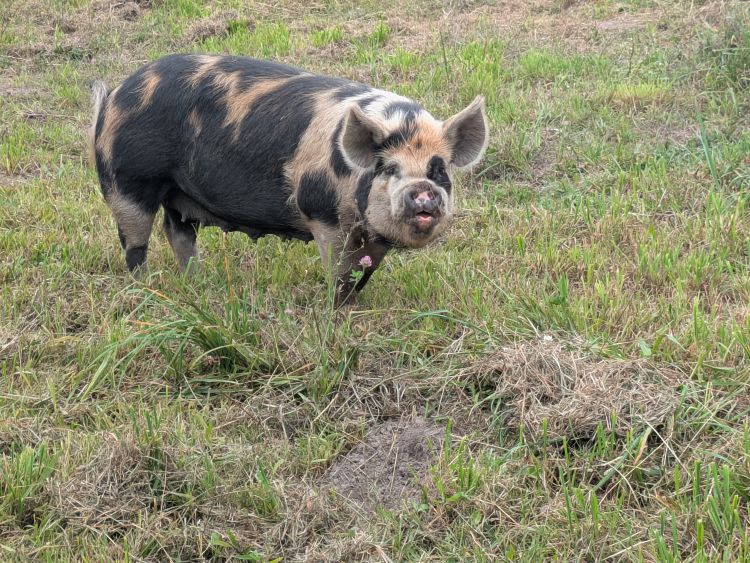
Pasture-based pig production continues to grow across Michigan as farms diversify livestock enterprises and meet demand for locally raised pork. Outdoor systems provide pigs with access to fresh air, forage and soil, but these environments also put pressure on the pasture. Soil conditions often determine whether a pasture pig system remains productive or becomes difficult to manage.
Michigan soils vary widely due to glacial history, drainage patterns and organic matter levels. Understanding soil characteristics and how pigs interact with pasture ground can help producers protect soil health and maintain productive grazing areas.
Michigan soils and pasture suitability
Michigan features a variety of soils, including sandy, loamy and clay soils formed by glacial deposits. Each soil type reacts differently to livestock activity. Sandy soil, common in northern and western Michigan, drains quickly and can reduce mud issues, but they often hold less water and nutrients. During dry periods, these soils may have difficulty supporting pasture growth. Heavier clay soils, found in parts of central and eastern Michigan, retain water longer and can stay saturated after rainfall or snowmelt. When pigs are kept on wet ground, the soil is more susceptible to compaction and pasture damage. Moderately well-drained loam soils generally perform better for pasture livestock because they balance drainage with moisture retention.
Pig behavior and soil disturbance
Unlike most grazing livestock, pigs naturally root while searching for food or exploring their environment. Using their snouts, pigs dig and turn over soil to locate roots, insects and other food sources. While some disturbance can incorporate organic material into soil, excessive rooting can remove vegetation and expose bare ground.
Research has shown that rooting behavior can significantly disturb soil structure and reduce plant cover in areas with frequent pig activity. Rotating pigs between paddocks and maintaining appropriate stocking density can help limit soil disturbance and promote pasture recovery.
Forage types for pasture pig systems
Pasture species can influence how well the ground withstands pig activity. While pigs are not grazing animals in the same way as cattle, forage still plays an important role in protecting soil and maintaining pasture condition.
Durable grass species such as orchard grass, timothy and perennial ryegrass are commonly used because they provide ground cover and help reduce erosion. Legumes such as red or white clover can improve nitrogen availability and support forage growth but may not persist if pigs remain in one area too long.
Michigan State University Extension Bulletin E3309 recommends using diverse pasture mixes to improve stand persistence and productivity. Mixtures of grasses and legumes can help maintain ground cover under variable weather conditions and grazing pressure. The bulletin also emphasizes maintaining adequate soil fertility and pH to support forage growth, particularly for legume persistence.
Some producers also use annual forages such as oats, rye, or brassicas to provide seasonal cover and supplemental feed. Maintaining vegetative cover is important because bare soil is more likely to erode or compact. Rotating pigs before forage is completely removed can help maintain pasture stands and reduce the need for reseeding.
Fencing considerations for pasture pigs
Fencing is a key part of managing pigs on pasture. Well-designed fencing helps contain animals, supports rotation and protects areas that need rest.
Electric fencing is commonly used in pasture pig systems. Temporary polywire or high-tensile systems allow producers to create and adjust paddocks as needed. Michigan State University Extension Bulletin E3309 recommends using temporary fencing to support rotational grazing, allowing producers to control grazing pressure and improve pasture recovery.
Training pigs to respect an electric fence at a young age improves effectiveness and reduces the risk of escape. Permanent perimeter fencing is often used as an added layer of security. Woven wire or hog panels can help contain pigs and reduce the risk of escapes, especially in areas with higher pressure from predators or wildlife.
Drainage and site selection
Selecting well-drained pasture ground, if possible, is important when raising pigs outdoors. Fields that remain saturated after rainfall or snowmelt are more likely to develop mud, soil compaction and pasture damage when pigs are present. Michigan soils vary widely in drainage due to glacial deposits, with sandy soils typically draining more quickly than heavier clay soils.
Areas where pigs gather, such as around feeders, waterers and shelters, often experience the most soil disturbance. Adding a sacrifice area, which is an area that is accepted by the producer, where vegetation will be lost and soil disturbance will occur, is needed for most livestock outdoor pastures. Placing these high-traffic areas on slightly elevated ground and moving them periodically can help reduce mud buildup and protect pasture vegetation. Slight slopes may improve drainage, but maintaining ground cover is important to reduce erosion.
Some producers also use a designated sacrifice area during very wet conditions to protect the rest of the pasture and allow paddocks time to recover.
Stocking density and pasture impact
Stocking density directly impacts soil condition. Higher stocking rates or heavier pigs can quickly remove vegetation and increase soil disturbance, especially on wet or poorly drained soils.
General guidelines
|
Pig Size / Stage |
Suggested Stocking Density |
Notes |
|
Weaned pigs (30–60 lbs.) |
15–30 pigs per acre |
Lower soil impact |
|
Growing pigs (60–150 lbs.) |
10–20 pigs per acre |
Adjust based on pasture condition |
|
Finishing pigs (150–280 lbs.) |
5–10 pigs per acre |
Greater risk of soil disturbance |
|
Sows with litters |
3–6 sows per acre |
Allow space for huts and piglets |
Table adapted from pasture pig production guidelines (Kerr, 2015; USDA NRCS, 2012).
Stocking rates should be adjusted based on pasture condition, soil type and weather. If pasture cover is lost or soil is exposed, pigs may need to be moved sooner, or stocking density reduced.
Soil fertility and manure distribution
Manure from pigs adds nutrients and organic matter to pasture soils, which can support forage growth and improve soil fertility. Swine manure contains nitrogen, phosphorus and potassium that plants can use, along with organic material that contributes to soil structure and microbial activity. In pasture systems, pigs deposit manure directly onto the ground, which can reduce the need for additional fertilizer inputs in some situations.
However, pigs often concentrate their activity around feeders, waterers and shelters. When animals repeatedly use the same area, nutrients can accumulate there while other parts of the pasture receive little manure. Over time, this uneven distribution may lead to excessive nutrient levels in heavily used areas and reduced forage productivity elsewhere.
Rotating pigs between paddocks helps distribute manure more evenly across the pasture. Moving animals periodically also gives forage plants time to recover from grazing and rooting. Maintaining vegetative ground cover improves nutrient uptake and reduces the risk of nutrient runoff following rainfall events. Research has shown that managed grazing systems can improve nutrient distribution and pasture productivity when livestock are moved frequently and stocking rates are managed appropriately.
Producers can also use soil testing to monitor nutrient levels and guide pasture management decisions. Regular soil testing helps identify areas where nutrients may accumulate and inform decisions about pasture rotation, reseeding or fertilizer application.
Soil conditions, forage selection and pasture management all influence how well pasture pig systems perform in Michigan. Soil type and drainage affect pasture resilience, while stocking density and rotation determine how quickly ground cover is lost or maintained.
Maintaining vegetative cover, using durable forage species and rotating pigs regularly can help protect soil and support pasture productivity. Adjusting management in response to conditions and monitoring pasture use can help maintain productive ground over time.