


Ana Heck

Bio
Ana Heck is a Michigan State University Extension apiculture statewide educator based at the MSU Pollinator Performance Center. Her role engages beekeepers, growers, pesticide applicators, and home gardeners to improve pollinator health. Ana holds a master’s degree in public policy and a graduate minor in entomology from the University of Minnesota.
Beekeeping & pollinator questions and resources
Please submit questions about beekeeping and pollinators through our Ask Extension form.
Resources on beekeeping
- MSU Extension beekeeping website (including beekeeping articles, beekeeping events, beekeeping videos)
- Getting started with beekeeping in Michigan
- Apiculture programs and resources from Michigan State University Extension
- Is Beekeeping Right for Me? online course
- Diagnostic tools for honey bee diseases online learning module
- Beekeeping & pollinator email newsletter
- List of beekeeping associations in Michigan
- Ask beekeeping questions during Michigan beekeeping office hours webinars or submit questions through the Ask Extension form at Questions? - Michigan Pollinator Initiative.
Resources on bee and wasp identification and removal
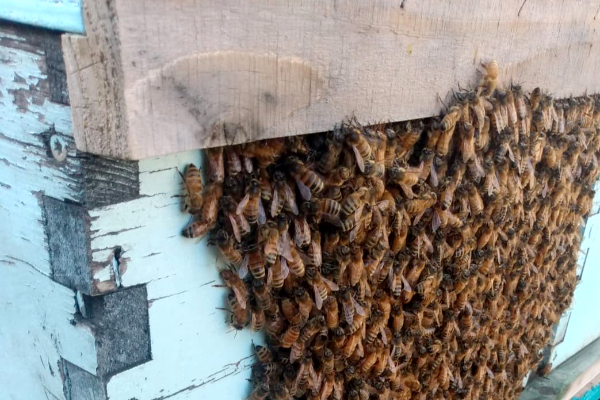
- What should I do if I find a swarm of bees?
- Contacts for removing honey bees from structures in Michigan
- Getting rid of wasp nests
- Submit questions about bee/wasp identification, bee/wasp removal, etc. through the Ask Extension form at Questions? - Michigan Pollinator Initiative
Resources on supporting pollinator health
- MSU Extension beekeeping & pollinators website
- Pollinator protection programs and resources from Michigan State University Extension
- Gardening for pollinators
- Pollinator planting - Michigan Pollinator Initiative
- Michigan Pollinator Protection Plan Resources
- Submit questions about pollinator protection, planting for pollinators, etc. through the Ask Extension form at Questions? - Michigan Pollinator Initiative
Online courses (Pollinator Champions, Is Beekeeping Right for Me?, Pollinator Protection for Pesticide Applicators, Pollinator Protection for Land Managers)
- For technical assistance, contact the MSU IT Service Desk:
- Local: (517) 432-6200
- Toll Free: (844) 678-6200 (North America)
- Web: D2L Contact Form | D2L Help Site
- For questions about claiming restricted use pesticide credits for pollinator protection online courses, contact Nicole Walker.
- Submit questions about course content through Ask Extension form at Questions? - Michigan Pollinator Initiative
Emergency response to transportation accidents involving honey bees
Managed Pollinator Protection Working Group
Request a presentation
Please email Ana Heck at heckanar@msu.edu to request a presentation on beekeeping or supporting bee health.
Prepared presentations and descriptions (recording not allowed unless otherwise agreed upon in advance)
- Evaluating honey bee brood frames: Learn to distinguish between healthy and sick brood and to recognize signs of European Foulbrood, American Foulbrood, chalkbrood, and varroa parasitic mite brood syndrome.
- Honey bee pheromones: Learn how honey bees communicate through pheromones and how paying attention to hive scents like banana and lemon can make you a better, more effective beekeeper.
- Taking varroa seriously: Hear about the varroa mite life cycle, risks to colonies, control options, and perspectives of effective mite management. (I can also include information on tropilaelaps mites in this presentation.)
- Responding to honey bee pesticide incidents: Learn about different kinds of pesticides and their effects, how to detect honey bee pesticide kills, what to do if you suspect a bee kill due to pesticides, and how to prevent and avoid honey bee kills from pesticides.
- Queen issues and events: Learn to decipher queen events like swarming, supersedure, and emergency queen loss and deciding when to intervene.
- Colony necropsy: Learn to identify reasons for a colony’s death based on the clues the bees left behind and how to prevent colony loss in future beekeeping seasons. (This talk has a strong emphasis on varroa and is usually best for winter/early spring.)
- Ways to support bees and beekeepers: Learn how to support research, educational programs, and policy to make the world a better place for bees and beekeepers.
- Basic honey bee biology: Learn about bee life stages, the roles of the queen, workers, and drones, and the colony as a superorganism. Understanding basic honey bee biology will help any beekeeper make beekeeping management decisions throughout the season. (This talk is for new beekeepers.)
- Getting started with beekeeping: How to help pollinators and what to consider before deciding if beekeeping is right for you. (This talk is people considering beekeeping.)
- Supporting and protecting pollinators: Learn about different pollinators in Michigan, the issues they’re facing, and what people can do to help keep them healthy. (This talk is for the general public.)
Make a donation
Organizations and individuals are welcome to make a donation to the Apiculture & Pollinator Extension Fund through the online giving page for the Apiculture & Pollinator Extension Fund or by filling out the Apiculture & Pollinator Extension gift form and sending it with a check made payable to Michigan State University to:
MSU Extension Business Office
Attn: Silvija Haas
446 W. Circle, Room 160
East Lansing, MI 48824
Related Work
-
Agricultural producers can share their input in the Midwest Farm Conservation Survey
Published on September 2, 2026
-
Attend the Apiculture Extension Spotlight Webinar Series
Published on August 19, 2026
-
Needs assessment and resources for veterinarians to practice honey bee medicine
Published on August 19, 2026
-
Needs assessment and resources for veterinarians to practice honey bee medicine
Published on August 18, 2026
-
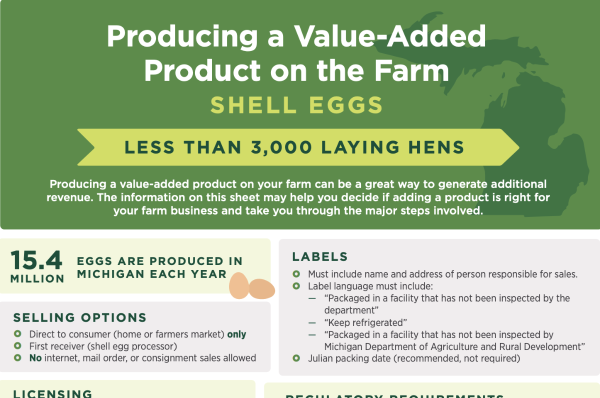
Producing a Value-Added Product on the Farm Series
Published on August 12, 2026
-
How to combine a laying worker colony with a queenright colony using newspaper
Published on July 28, 2026
-
Rules and regulations for selling honey in Michigan
Published on July 9, 2026
-
Tips for honey bees and beekeepers in hot weather
Published on June 29, 2026
-
July resources for Michigan beekeepers
Published on June 24, 2026

 Print
Print Email
Email