


The Practicum Process
How the Practicum Works
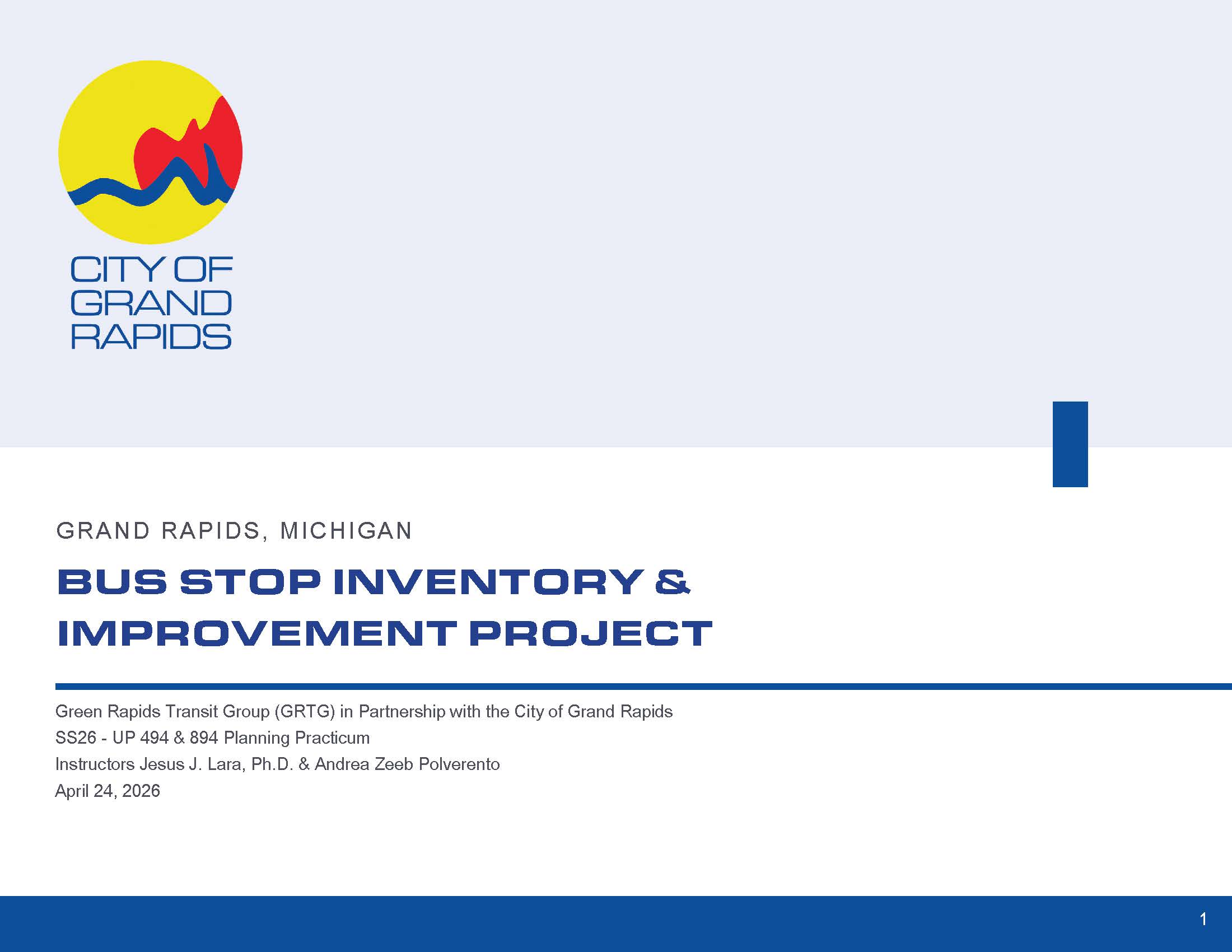
Beginning in Spring 2026, the Urban & Regional Planning Practicum adopted a structured, seven-phase, client-centered process that builds upon the program’s longstanding tradition of community-engaged planning and mirrors professional planning practice. Throughout the semester, students work with faculty, community partners, and stakeholders to investigate local challenges, analyze existing conditions, engage residents, develop planning concepts, and formulate practical recommendations.
Each phase builds upon the previous one, moving teams from understanding community context and priorities through research, analysis, engagement, concept development, precedent studies, and implementation planning. The process culminates in a comprehensive planning document and presentation that integrate community input, evidence-based analysis, and professional planning principles into actionable recommendations tailored to each project and community.
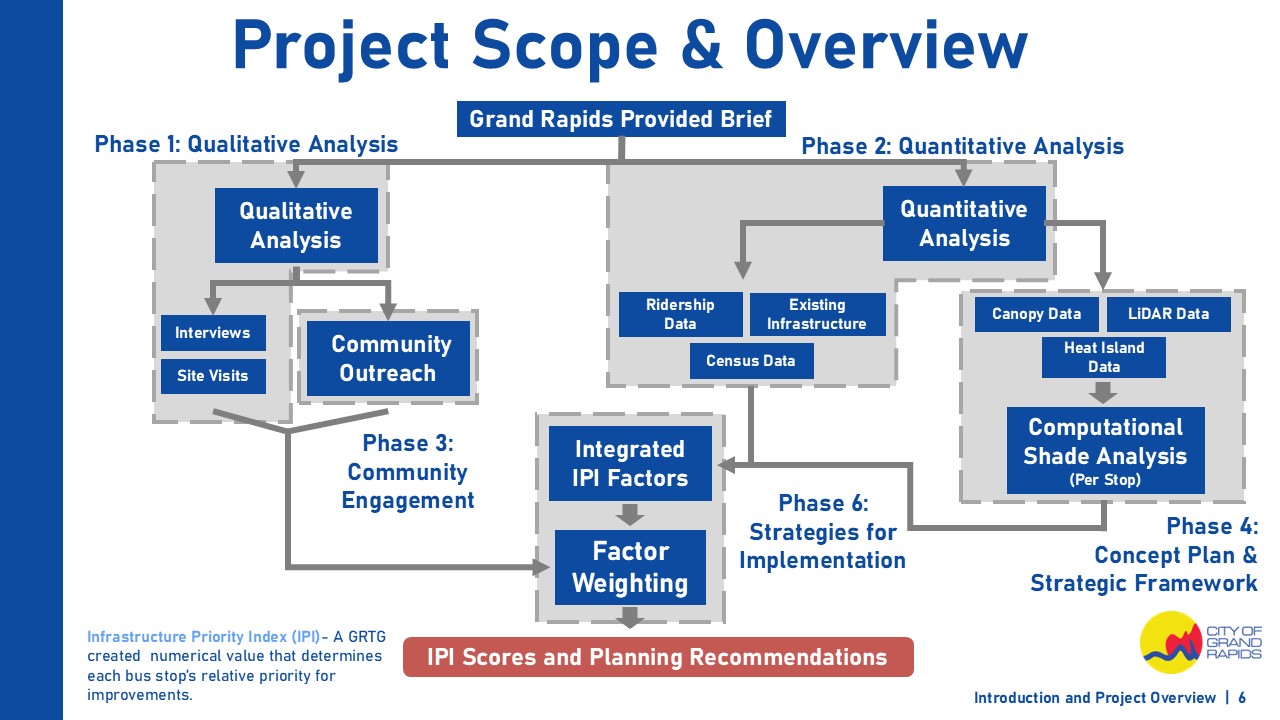
Project Orientation and ScopingAt the beginning of the semester, students meet with the client, review existing plans and background materials, clarify project goals and expectations, and develop a work plan that guides the project throughout the semester. |
|
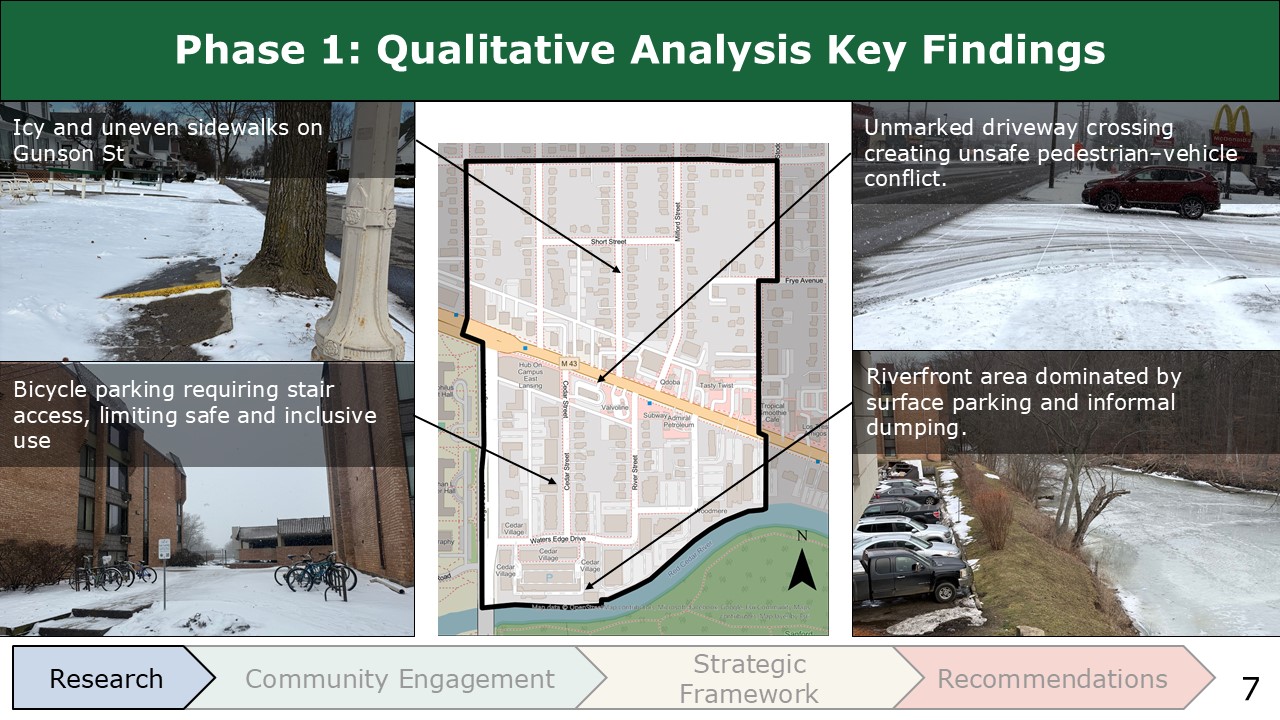 |
Phase 1: Community and Qualitative Analysis Teams conduct site visits, field observations, interviews, and other forms of qualitative research to understand community experiences, priorities, assets, and concerns. |
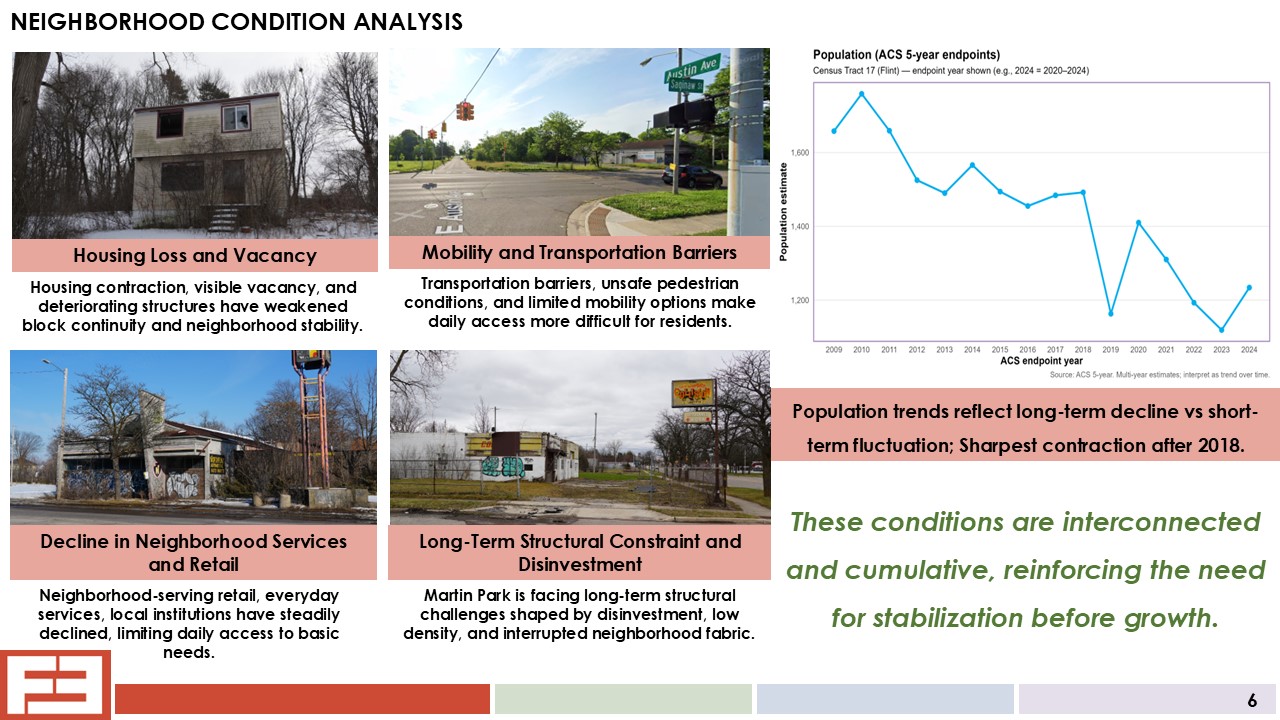 |
Phase 2: . Quantitative and Spatial Analysis Teams analyze demographic, economic, housing, land-use, transportation, environmental, and infrastructure conditions. This work may include GIS mapping, data visualization, parcel analysis, and review of relevant policies and plans. |
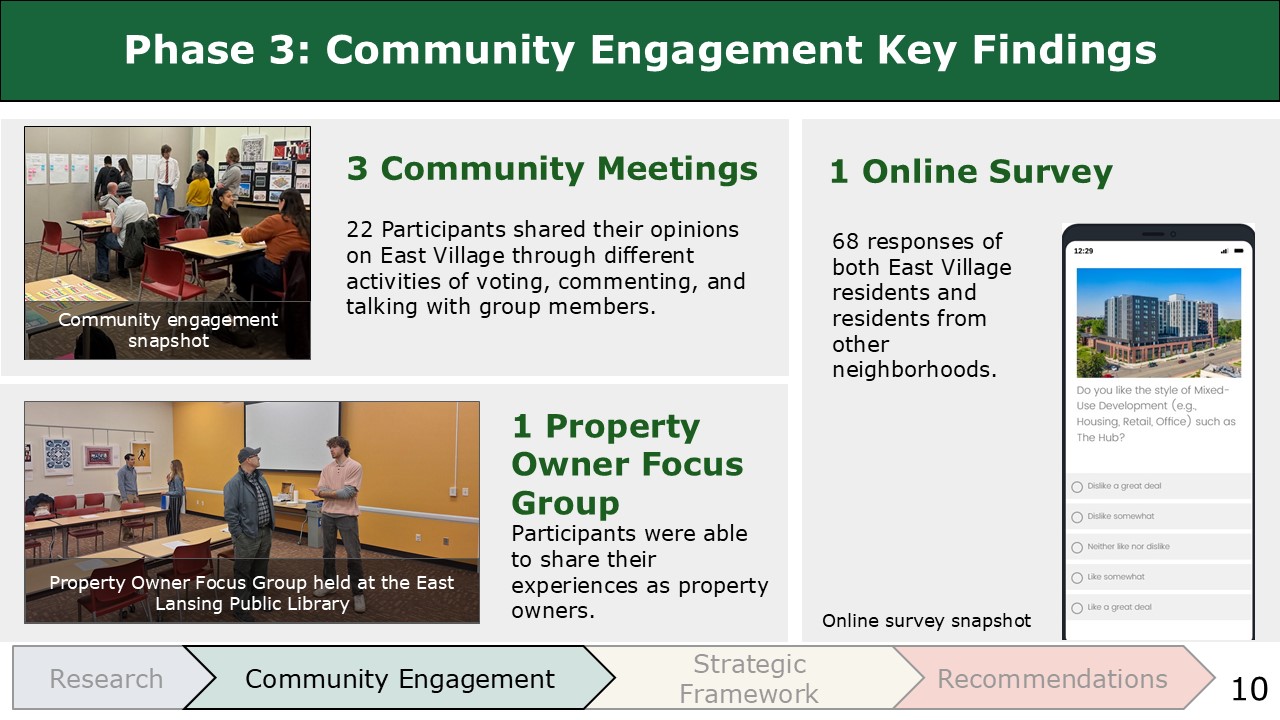 |
Phase 3: Community Outreach and Engagement Teams collaborate with the client to gather input through surveys, interviews, workshops, meetings, focus groups, or other engagement activities appropriate to the project. |
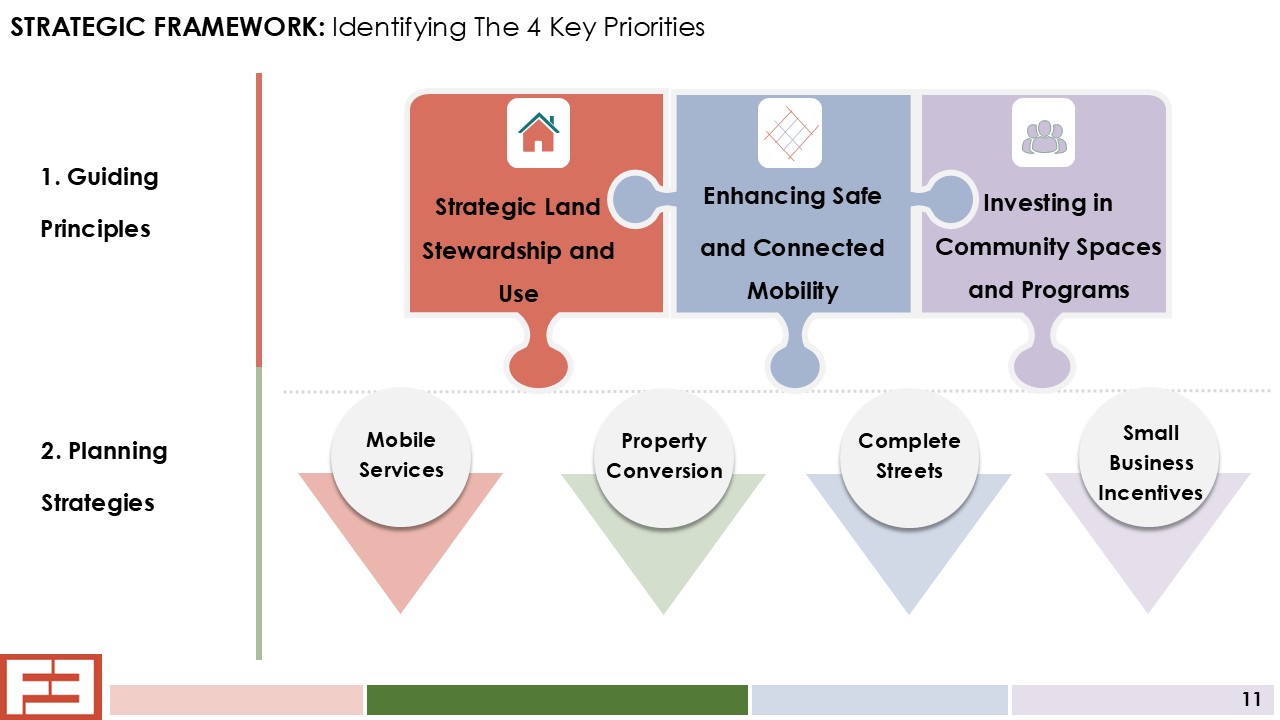 |
Phase 4: Concept Planning and Strategic Direction Teams translate their research and community input into preliminary concepts, planning scenarios, strategic priorities, or alternative approaches for review by the client and community partners. |
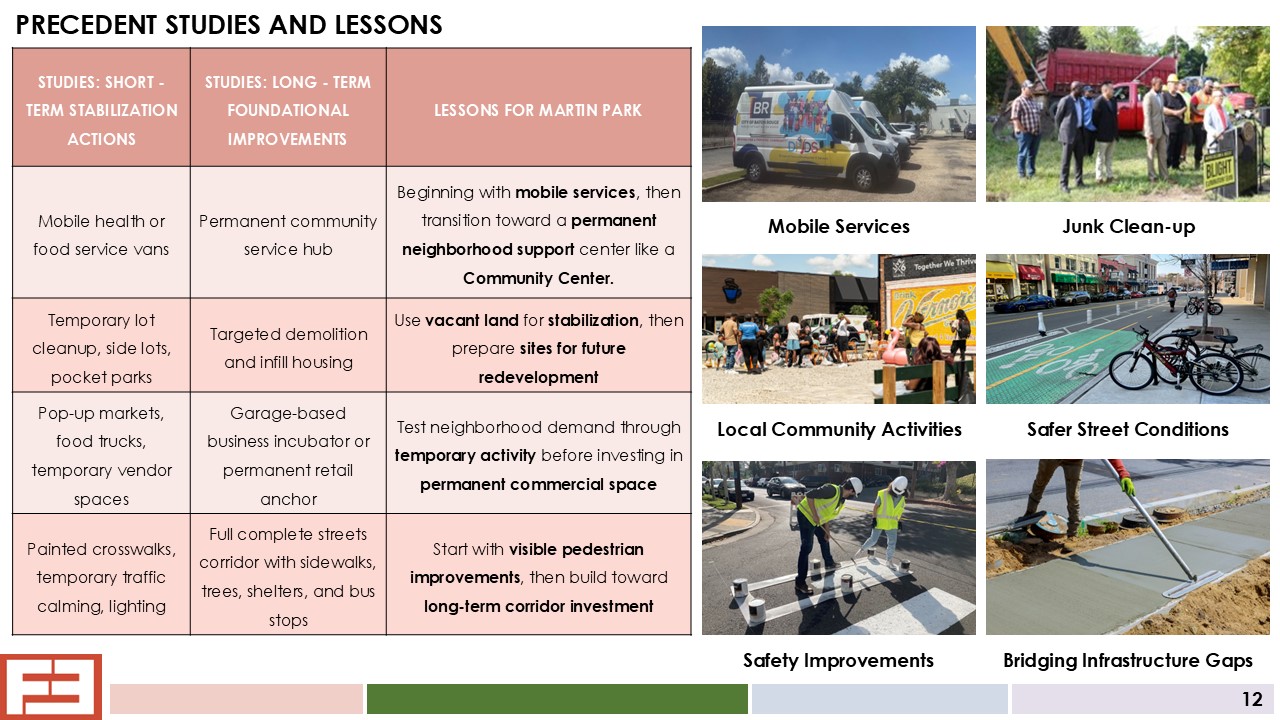 |
Phase 5: Precedent Studies Teams translate their findings and planning concepts into practical implementation strategies. Depending on the project, this may include priority actions, programs, policies, partnerships, funding opportunities, phasing, and other tools needed to move recommendations toward implementation. |
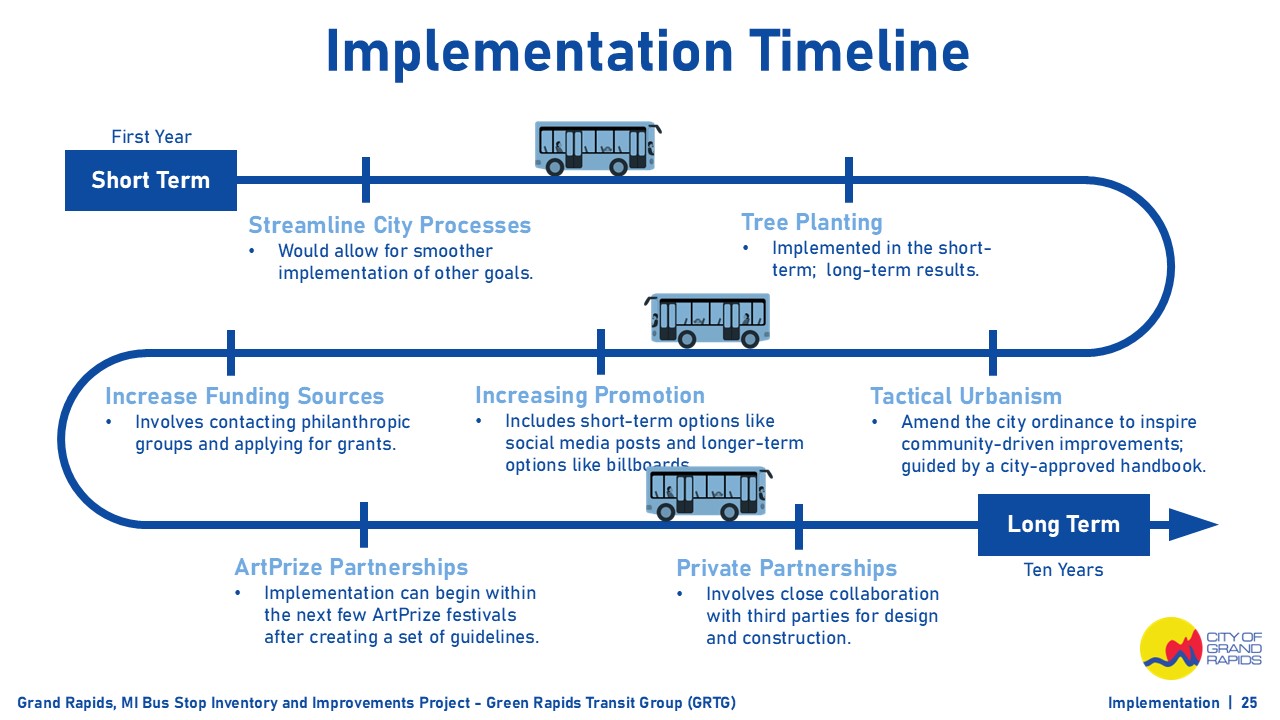 |
Phase 6: Programming and Implementation Teams synthesize research, community input, planning concepts, and precedent studies into an actionable implementation plan. Teams identify priority projects, strategies, funding opportunities, and phasing, culminating in a professional report and presentation to community partners. |
 |
Phase 7: Final Integration and Presentation Teams bring together research, analysis, community input, design concepts, and implementation strategies into a cohesive community plan. The final product communicates clear, actionable recommendations through a professional and visually compelling document and presentation. |
From Planning Process to Community ImpactThrough this structured process, students move from understanding community conditions and priorities to developing practical strategies for action. Community partners receive research, analysis, engagement findings, and recommendations that can inform future planning and implementation, while students gain hands-on experience navigating the complexities of real-world planning practice. |
|
Interested in partnering with the Planning Practicum?
Propose a Project → Applications are available as PDFs or MS Word Documents.
Email completed applications to Jesus J. Lara, Ph.D. at: jjlara@msu.edu
Proposal Deadline: December 1, 2026
 Print
Print Email
Email