Avoid Salmonella when handling baby birds
 Print
Print Email
EmailFollow these basic guidelines when handling live poultry to avoid contracting Salmonella.
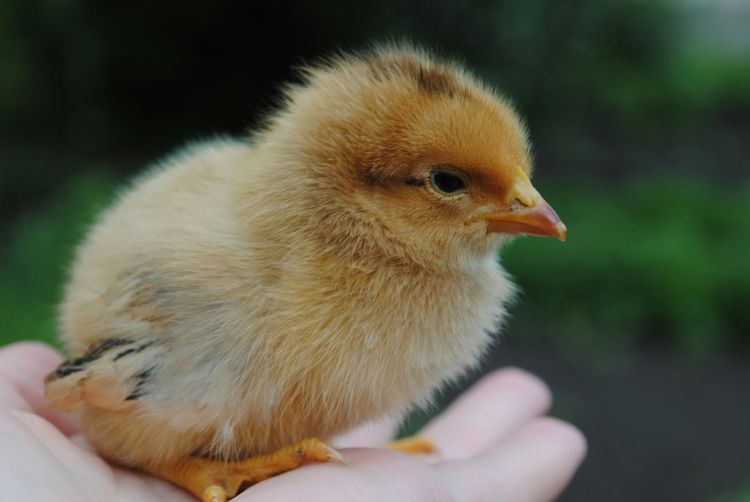
Early spring is the time of year when small farms, homesteaders, hobbyists or anyone with a backyard coop purchases chicks to have farm fresh eggs by summertime. Now is the time when you might start seeing adorable chicks and ducklings on display in your local farm supply or hardware stores. Keep in mind, though, while baby birds are cute and tiny, they can often harbor a dangerous bacterium: Salmonella. Every year, the Centers for Disease Control and Prevention (CDC) releases a report of all Salmonella outbreaks recorded in the United States. The most recent CDC report outlined 559 reported outbreaks of Salmonella (linked to backyard poultry) across 48 states, which led to 125 hospitalizations and two deaths.
A person can become infected with Salmonella in various ways:
- Eating food contaminated with the bacteria.
- Drinking or coming into contact with contaminated water.
- Touching animals (like live poultry).
- Touching animal feces.
- Touching habitats and homes of animals (including coops, feeders, water bowls, etc.).
Young children, especially those under 5 years old, are more susceptible to this infection because their immune systems are still developing (making it harder to fight off harmful infections and diseases), and, when handling live poultry, they tend to put their fingers or other items in their mouths after touching the birds.
Common symptoms of Salmonella include vomiting, diarrhea, fever, and/or stomach pain/cramps. Often, symptoms will clear after a few days, but in some cases, especially for those at higher risk, hospitalization is possible.
To reduce the risk of contracting Salmonella from live poultry, Michigan State University Extension recommends the following:
- Thoroughly wash hands and wrists/lower arms with soap and warm water right after touching live poultry or anything in their coop or living/roaming area.
- Be sure to supervise young children as they wash hands to ensure they are vigorously scrubbing hands and fingers with soap for at least 10 seconds. The entire handwashing process should take a minimum of 20 seconds (or two happy birthday songs).
- MSU Extension recommends not letting young children touch or handle chicks, ducklings or other live poultry.
- Do not snuggle or kiss the birds.
- Do not touch your mouth or eat or drink around live poultry.
- Do not allow live poultry to live or walk around inside your home, in bathrooms or especially in areas where food or drinks are stored, prepared or served.
- Do not clean bird feeders, water bowls or other materials/equipment associated with the live birds inside your home.
- Do not give live baby birds as a gift to young children.
So, if you’re planning to purchase live poultry this spring, be sure to follow these basic guidelines to keep yourself and your family safe. Chicks are cute, but Salmonella is not, so be sure to take extra precautions when handling these cute baby birds.