Let’s talk about celiac disease
 Print
 Email
Understanding the autoimmune condition that affects how the body responds to gluten.
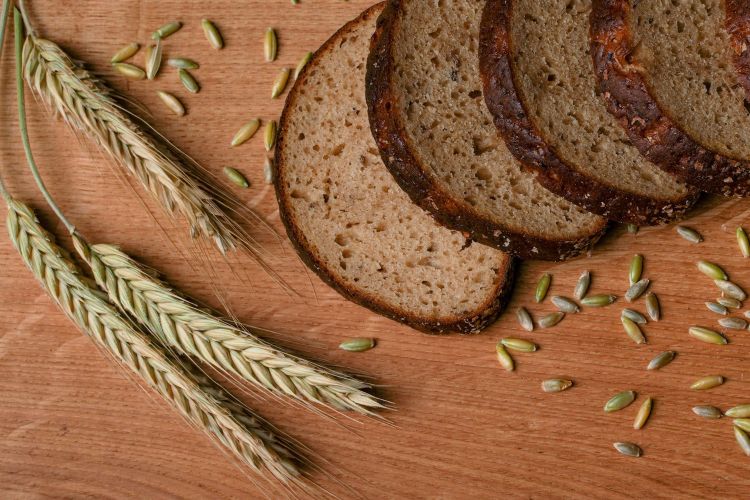
Celiac (see·lee·ak) disease (CD) is an autoimmune inflammatory disorder that affects roughly 1% of the population. Consuming gluten, a protein commonly found in wheat, barley and rye, triggers an autoimmune response (where our body attacks itself). This differs from a wheat allergy, which is an immune system reaction to proteins found in wheat (not including rye and barley). Currently, the only treatment for CD is avoiding foods that contain gluten. The types of foods that typically contain gluten include bread, pastries, pasta, some cereals, beer and more. The Celiac Disease Foundation provides a more comprehensive list of gluten sources.
The cause of CD is unknown; however, there are some suggestions that genetics play a role in developing the disease. That said, even those who have the gene(s) may or may not develop the disease, and there may also be environmental or other factors activating the genes. This activation causes the body’s immune system to negatively react to gluten, which then causes the immune system to attack the small intestine.
Symptoms
Symptoms of celiac disease can vary from person to person. For many, symptoms of CD are gastrointestinal (GI). These symptoms include:
- Diarrhea
- Nausea/vomiting
- Bloating
- Constipation
- Gas
- Pain in the abdomen
- Weight changes
Although GI symptoms can be common for some, CD can affect other parts of the body as well. Other common symptoms include:
- Fatigue
- Depression or anxiety
- Irritability (most common in children)
- Itchy rash with blisters
- Bone or joint pain
- Canker sores or mouth dryness
Diagnosis
CD is often diagnosed with a blood test or an endoscopy (a biopsy of the small intestine). However, for an endoscopy to be accurate, the person must continue to eat gluten. Your primary care physician or gastroenterologist may recommend taking the Gluten Challenge. This usually means reintroducing gluten into your diet for 6 to 8 weeks before the endoscopy. If you had previously removed gluten from your diet, you would be asked to eat roughly three to ten grams of gluten per day for the recommended time frame as instructed by your provider. If you believe you may have CD, contact a doctor for guidance. Do not begin the Gluten Challenge without clear instructions from a medical professional.
While CD affects roughly 1% of the population, non-celiac gluten sensitivity (NCGS) may affect up to 6% of the population. NCGS usually involves an intolerance to foods containing gluten. A gluten intolerance is often less severe than CD and does not lead to small intestine damage. However, just because it is less severe does not mean it should not be taken seriously. People with gluten intolerance are still advised to avoid foods containing gluten.
Impact of going untreated
Over time, if CD is not treated or diagnosed, repeated encounters with gluten can lead to severe damage to the small intestine. It can also lead to other long-term problems including:
- Malnutrition
- Anemia (and iron deficiency)
- Loss of bone density
- Long-term nervous system problems
- Reproductive issues, including infertility
Resources
Receiving a CD diagnosis can feel scary. But there are several resources available to help navigate life with CD and/or nonceliac gluten sensitivity. Remember to always talk with a doctor or allied healthcare professional if you suspect you have CD or a gluten sensitivity. For more information, visit this website for a step-by-step guide on getting started with a gluten-free diet.