Osteoporosis – are you at risk?
 Print
Print Email
EmailUnderstanding osteoporosis may help prevent and treat this chronic condition.
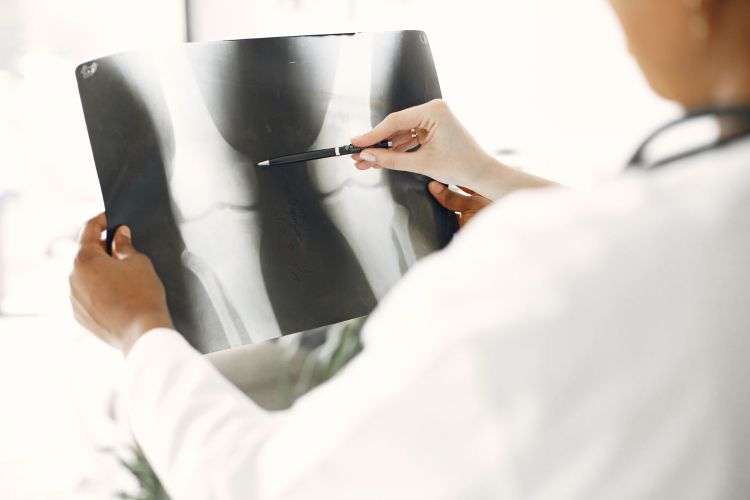
Bone is a living tissue, and existing bone is continually being replaced by new bone. Osteoporosis occurs when the body fails to form enough new bone and/or the existing bone gets reabsorbed into the body. Osteoporosis is a very common, metabolic bone disease that affects over 10.2 million people aged 50 and over in the United States with 4.3 million additional Americans at risk of developing the disease.
Who is at risk of developing osteoporosis? According to Mayo Clinic risk factors include:
- Gender – women are more likely to develop this disease than men.
- Age – as people age, their risk increases.
- Race – those of White or Asian descent are at a greater risk.
- Family history – people who have a parent or sibling with osteoporosis or a parent who has experienced a hip fracture are at a higher risk.
- Body frame and size – men and women with a small body frame tend to have less bone mass to draw on as they age, putting them at a higher risk.
- Hormone levels – the reduction of estrogen during menopause is one of the strongest risk factors associated with this disease. Certain cancer treatments can also drop estrogen levels in women and testosterone levels in men.
- Dietary factors – people who have had a lifetime of low calcium intake, suffered from an eating disorder or have had gastrointestinal surgery are more likely to develop osteoporosis.
- Steroids and other medications – long-term use of oral or injected corticosteroid medications can interfere with the bone-building process.
- Harmful lifestyle choices – those who lead a sedentary lifestyle, consume excessive amounts of alcohol or use tobacco are at a higher risk of osteoporosis.
The Cleveland Clinic provides the following care and prevention measures for people with osteoporosis:
- Get an early diagnosis with a bone density test.
- Seek out programs that increase your exercise and physical activity, like walking, yoga and tai chi.
- Take vitamin and mineral supplements including calcium and vitamin D.
- Read labels of prescription medications to check for side effects.
If you are at a higher risk of developing osteoporosis or have symptoms associated with this disease, Michigan State University Extension recommends that you consult with your health care provider. The National Osteoporosis Foundation also provides resources and support for those dealing with this disease. MSU Extension offers programs and resources that focus on physical activity and chronic pain management.