75 Years of FW - An Evergreen Story
“As FW turns 75, one moment that still anchors my work happened in a meeting room with a
whiteboard and a dozen curious students. We were tracing how actions far from a wildlife
habitat ripple back through flows of products, people, and information. A student paused and
said, “This is wildlife, fisheries, and people—together.” That simple observation captured FW’s
culture of integration and helped crystallize the coupled human and natural systems, and later
telecoupling and metacoupling frameworks that my group has created and advanced: studying
complex human–nature interactions intrinsically linked across scales and places worldwide.”
…
“Why does that moment still resonate? Because it reflects FW at its best: a place where
questions begin with wildlife and fisheries, but never end there. FW nurtures the mindset that
solutions to sustainability emerge when we connect distant places and diverse people. I’m most
grateful to FW, to colleagues and students who keep pushing the boundaries of integration, and
to the collaborators and funders who trust us and support us.
Cheers to the past and next 75 years of linking science, policy, and practice for a more
sustainable planet!”
- Jianguo (Jack) Liu
Rachel Carson Chair in Sustainability
75 Years of Growth
In 1950, the Department of Fisheries and Wildlife was just beginning. 75 years later, there is no doubt that through policy, faculty, and curriculum changes, the Department has grown incredibly. Every FW chair, faculty member, and student over the past 75 years has made an impact on shaping the department into what it is today.
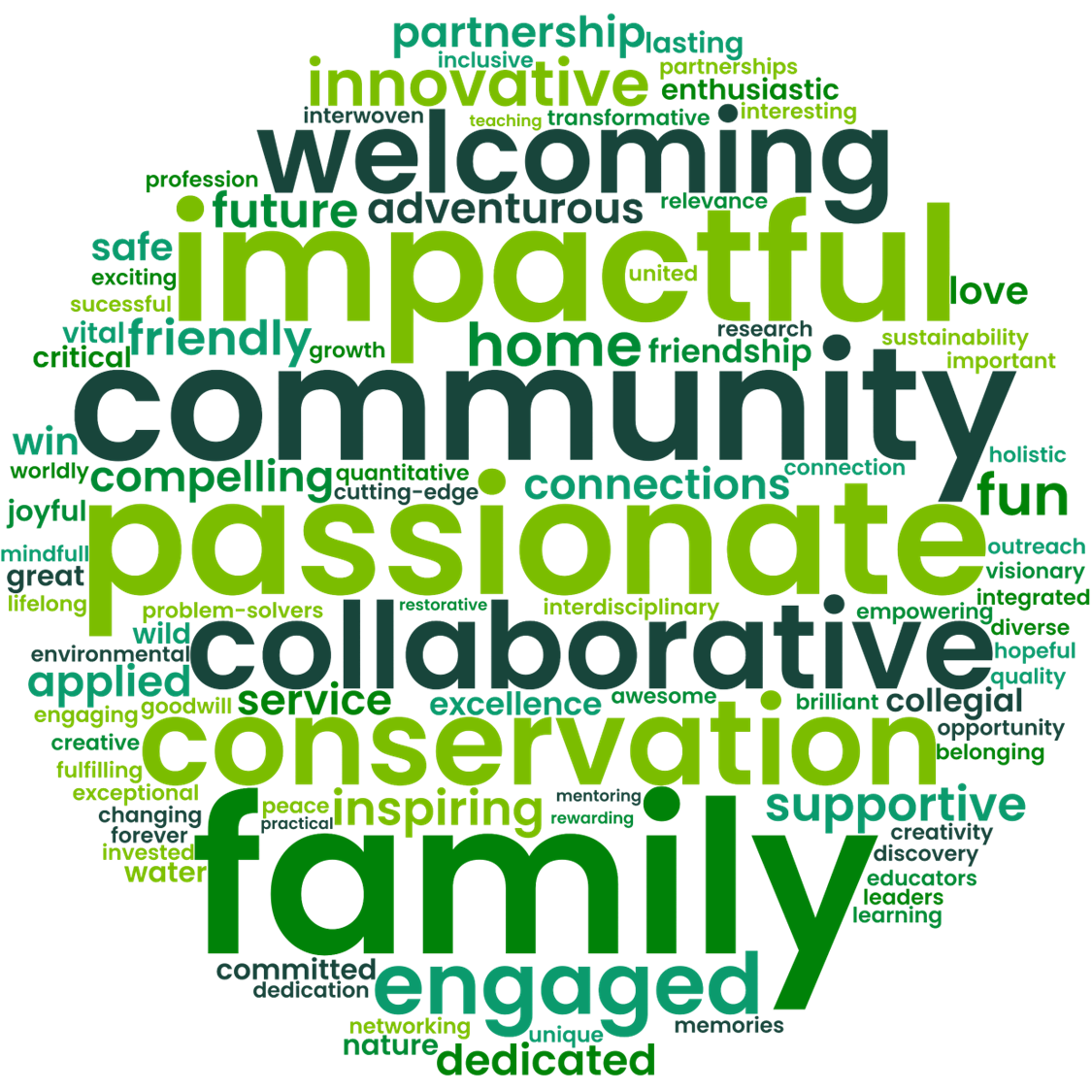
Beyond the obvious impacts of the department in terms of policies, partnerships, and conservation initiatives, the FW department at MSU has made a positive impact on students, faculty, and staff, creating a meaning for each individual on a personal level. As part of the RSVP for the 75th anniversary celebration, FW community members were asked to describe what FW meant to them in three words. The most common words used to describe FW were “welcoming”, “impactful”, “passionate”, “conservation”, and “family”, among others. Another prompt given to the FW community was for them to write about their “FW story” - many people discussed the positive impact of the FW department, including Holly Merritt, an MSU Fisheries & Wildlife alum:
“I enrolled in Michigan State University with little idea of what I wanted to do with my life. I
chose to enroll as a pre-veterinary student for the sole reason of liking animals. For a while I felt
lost and confused, trying to follow what I thought I wanted to do–but struggling with the
ever-growing, inescapable feeling of apathy. When filling an elective course during my
sophomore year, I randomly enrolled in the FW101 lecture. That class changed my perspective
on college and what I wanted to do entirely. Before then, I had never heard of the Fisheries and
Wildlife major, but all of the sudden, it was a game changer. I fell in love with this field as it not
only allows me to work with animals but also with ecosystems, plants, and habitats. Most
importantly, it enables me to collaborate with people to change attitudes and create sustainable
practices that produce lasting, meaningful impacts on the environment. Now, I have recently
graduated with my B.S. in Fisheries and Wildlife, and I feel so lucky to have stumbled upon this
department.”
-Holly Merritt, MSU FW Alum
This welcoming atmosphere of collaboration, passion, and innovation has been built through faculty, staff, and students over the past 75 years, and the department will continue to strive to include these qualities in their work.
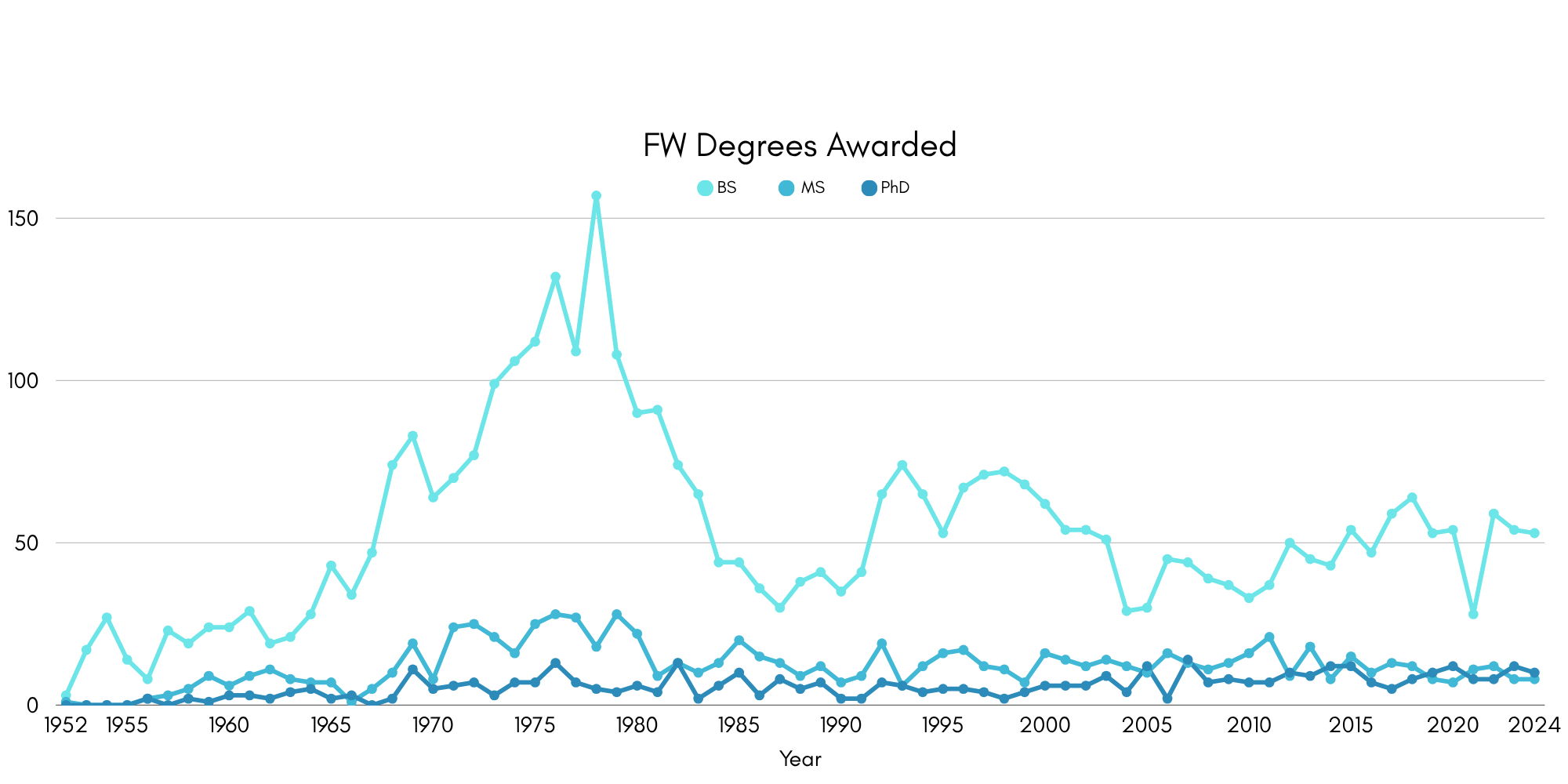
A clear example of physical growth in the department has been the increase in faculty, students, and degrees awarded over time. In 1950, the FW department began with just 13 faculty members, but as student enrollment increased, so did faculty, and currently, we have 95 combined staff, faculty, and postdoctoral members in the department. Furthermore, throughout the past 75 years, 5,218 degrees have been awarded to students - 3,913 B.S., 883 M.S., and 422 Ph.D.s. Each year, the FW program awards an average of 52 B.S. degrees, 12 M.S. degrees, and 6 Ph.D. degrees. Take a look below at the amount of degrees awarded since 1950:
.png?language_id=1)
The Beginning
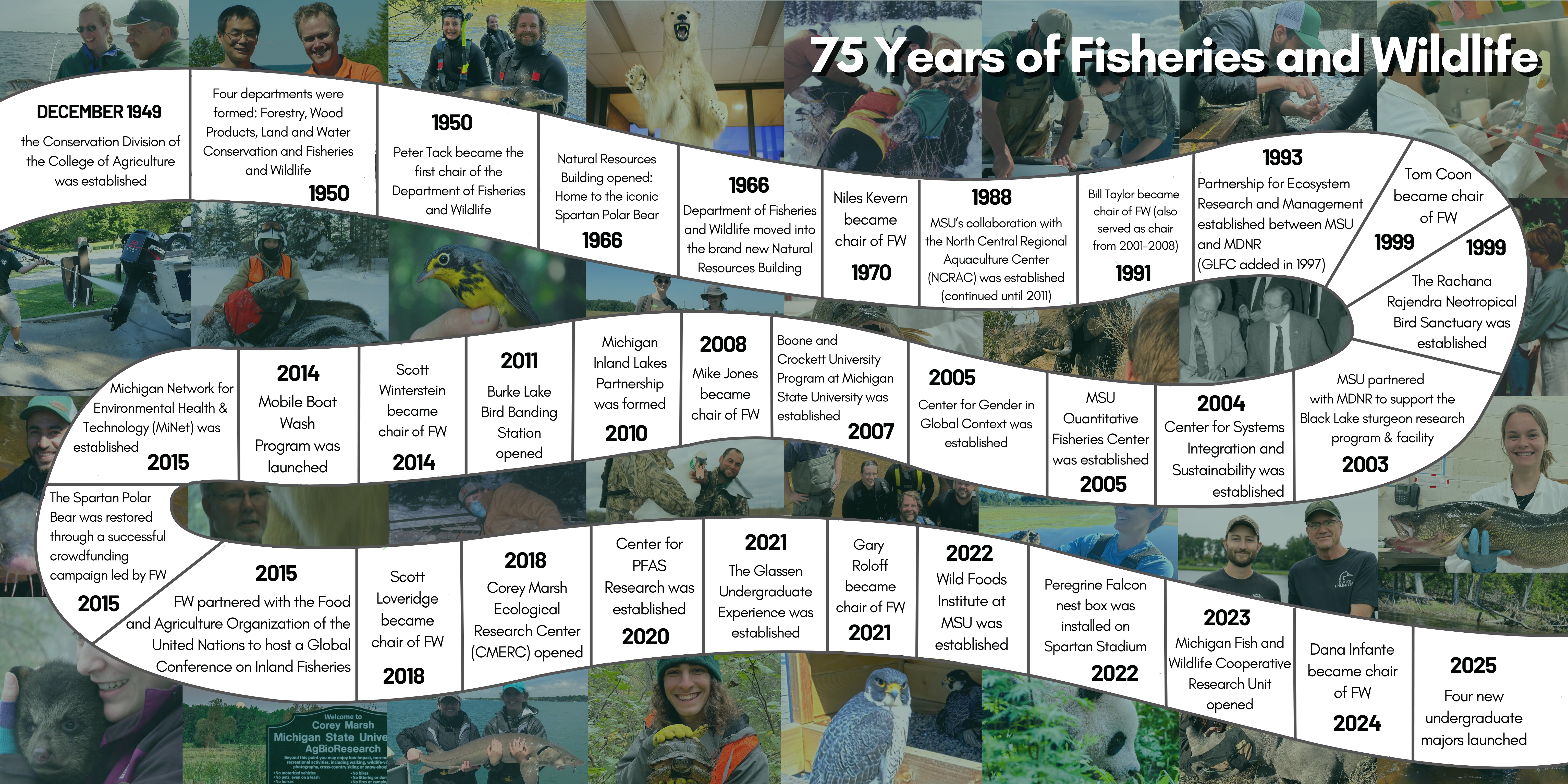
December of 1949 marked the establishment of the department, specifically the conservation division of the College of Agriculture. This was the result of internal and external forces that had been present for some time - specifically public interest in natural resource conservation. These forces also gave rise to the University of Michigan School of Natural Resources as well as the Michigan Conservation department. The Conservation Division had been preceded at Michigan State University by the Conservation Institute, which was made a part of the Conservation Division and later integrated into the present Department of Resource Development. In 1950, after several meetings with faculty members across various disciplines, four departments were formed: Forestry, Wood Products, Land and Water Conservation, and Fisheries and Wildlife. Peter Tack was then named the first chair of the FW department. This arrangement officially took form and began to function as of July 1, 1950.
Milestones Along the Way
After its initial establishment in 1950, the Department underwent many changes over time, breaking barriers and making impacts along the way! Some key events in the department are as follows:
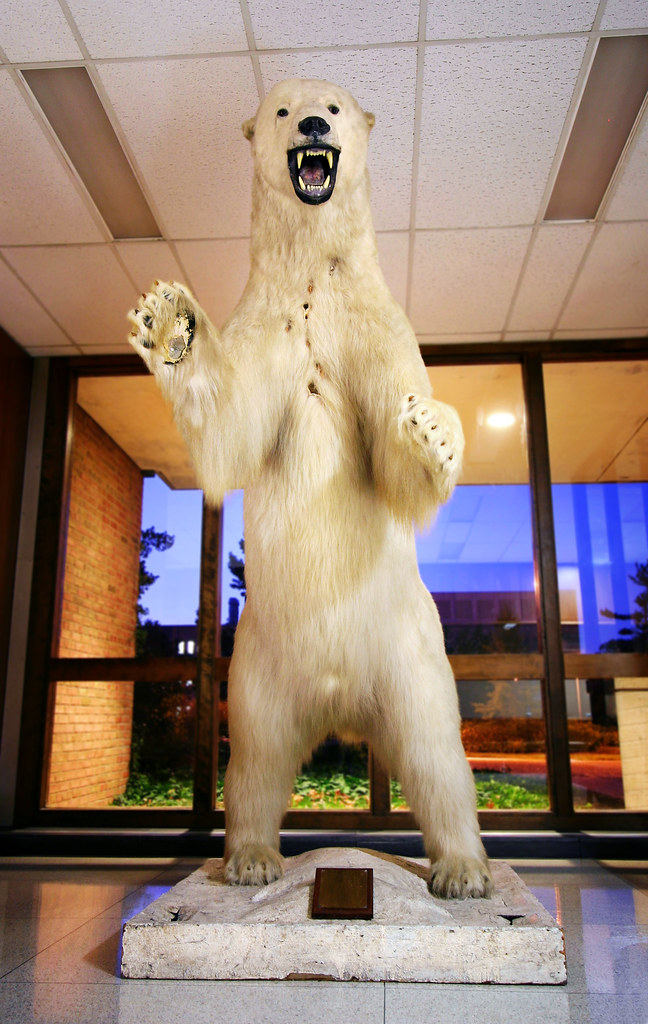
- 1966: The brand new Natural Resources building opened, home to the iconic Spartan Polar Bear! The bear was hunted by an Oak Park man near Point Barrow, Alaska, in 1957 and soon after donated to the MSU Museum. It was then moved into the building in 1966.
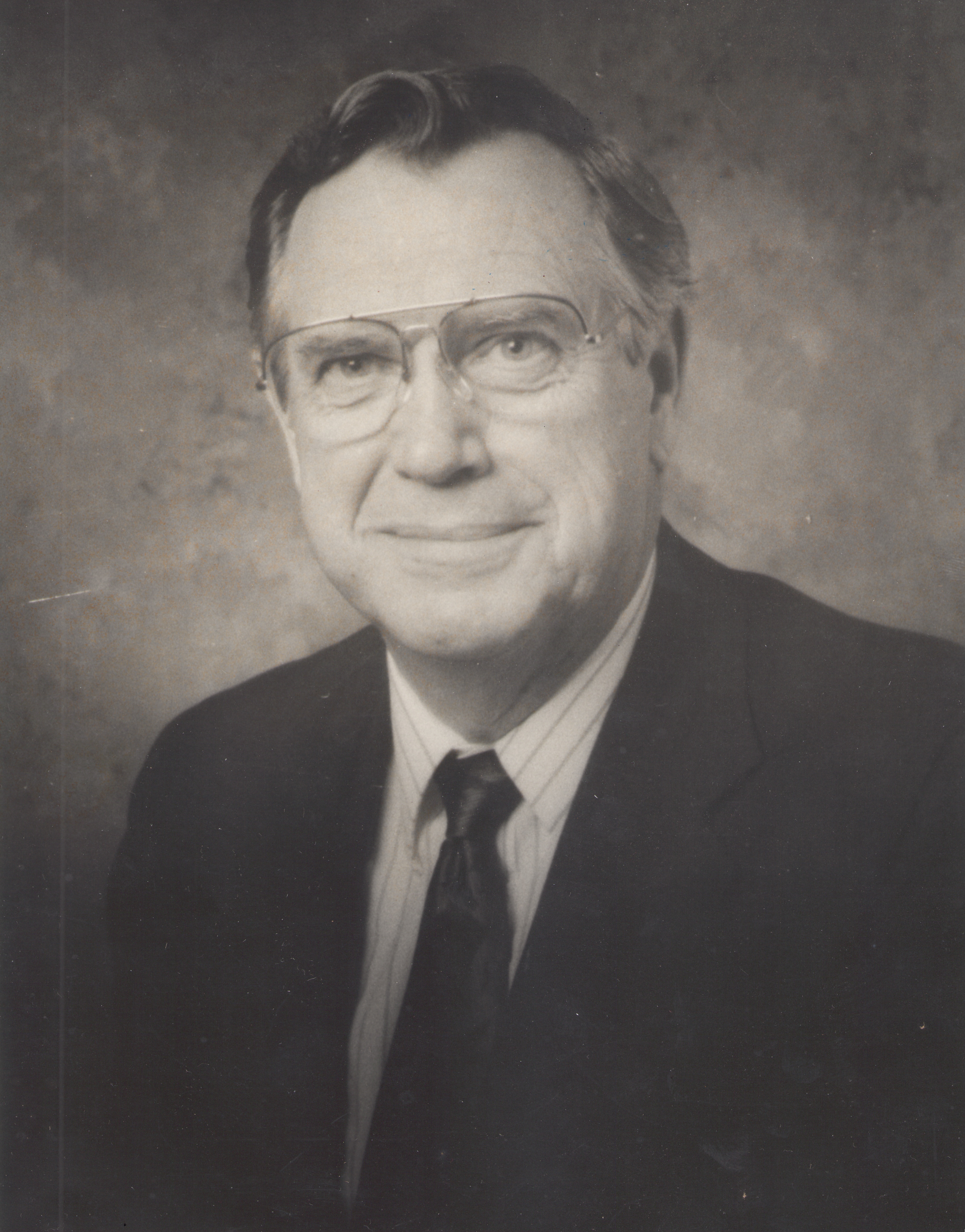
- 1970: Niles Kevern became chair of FW, replacing Peter Tack.
- 1988: MSU’s collaboration with the North Central Regional Aquaculture Center (NCRAC) was established. The NCRAC is one of the five Regional Aquaculture Centers established by Congress, administered by the U.S. Department of Agriculture's Cooperative State Research, Education, and Extension Service. These centers assist U.S. fish farmers by supporting them through challenges such as economic viability, disease management and prevention, sustainable feeds, and environmental responsibility. The NCRAC serves 12 states in the North Central Region, and their partnership with MSU continued until 2011.
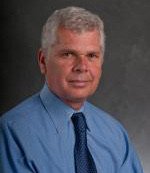
- 1991: Bill Taylor replaced Niles Kevern as chair (also served as chair from 2001-2008)
- 1993: The Partnership for Ecosystem Research and Management (PERM) was signed and established between Michigan State University (MSU) and the Michigan Department of Natural Resources (MDNR). PERM has two main objectives: first, to increase the capabilities of the Department of Fisheries and
.jpg?language_id=1) Wildlife to conduct ecosystem-level applied research and provide outreach services to the MDNR and other management agencies; and second, to provide a group of researchers who can serve as a liaison between management agencies to coordinate and facilitate cooperative research focused on high-priority research problems. Ultimately, PERM unites MSU scientists from the Department of Fisheries and Wildlife and the Department of Forestry with the MDNR to address chronic and emerging threats to Michigan’s wildlife and natural resources. The signing of PERM was an extremely impactful event and has been the basis of most departmental decisions for more than 30 years.
Wildlife to conduct ecosystem-level applied research and provide outreach services to the MDNR and other management agencies; and second, to provide a group of researchers who can serve as a liaison between management agencies to coordinate and facilitate cooperative research focused on high-priority research problems. Ultimately, PERM unites MSU scientists from the Department of Fisheries and Wildlife and the Department of Forestry with the MDNR to address chronic and emerging threats to Michigan’s wildlife and natural resources. The signing of PERM was an extremely impactful event and has been the basis of most departmental decisions for more than 30 years. - 1997: The Great Lakes Fishery Commission (GLFC) was added to the PERM agreement in 1997. Through this addition, MSU gained access to additional resources, both in funding and in research infrastructure. It also allowed for more effective management of the Great Lakes, especially with sea lamprey control and water quality monitoring efforts.
- 1999: Tom Coon became the new chair of FW.
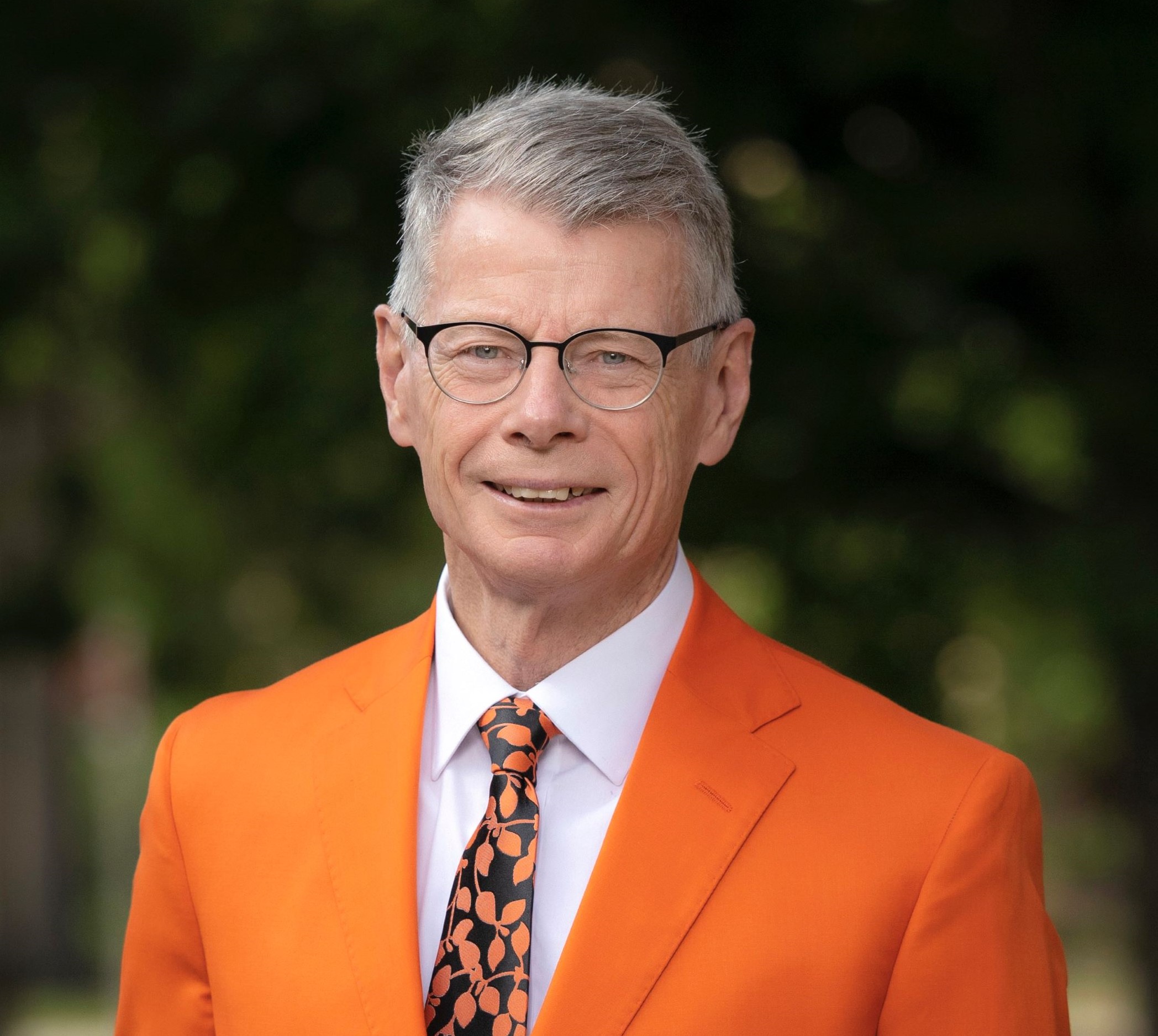 Thomas Coon
- 1999: The Rachana Rajendra Neotropical Bird Sanctuary was established. Located within Baker Woodlot, the sanctuary is dedicated to Rachana Rajendra, an Okemos resident who pas
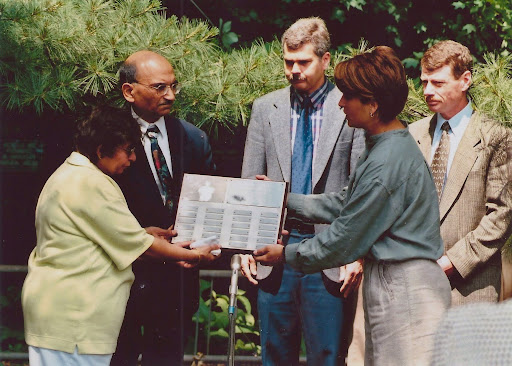 sed away in a car accident in 1997. Her family and friends established an endowment in her memory and designated part of the woodlot to her. The sanctuary offers a peaceful space for walking, relaxing, and listening to the sounds of surrounding wildlife, drawing many visitors who return regularly for a sense of calm and connection to nature. In addition, departments across MSU organize guided walks through the woodlot, giving students the opportunity to join faculty for educational explorations of the plants and animals found within the sanctuary.
 - 2001: Bill Taylor became chair of the department after Tom Coon.
- 2003: MSU partnered with the Michigan DNR to support the Black Lake sturgeon research program & facility. This program supported state sturgeon rehabilitation efforts aligned with the Endangered Species Act (ESA) and Michigan’s Wildlife Conservation Strategy, which identified lake sturgeon as a species of special conservation concern. Their research focuses on the ecology of lake sturgeon at Black Lake in Cheboygan County, Michigan, and has led to the development of improved hatchery practices to guide production and release activities of federal, state, and tribal natural resources agencies across the Great Lakes.-
- 2004: The Center for Systems Integration and Sustainability was established. Their work frequently informs policies such as the Great Lakes Water Quality Agreement (GLWQA) and global sustainability frameworks like the Convention on Biological Diversity (CBD), and has had a crucial role in conserving natural systems - from wetland restoration, to pollinator protection, to sustainable forest management.
- 2005: The Center for Gender in Global Context was established, created by the combination of the Program in Women, Gender, and Social Justice and the Women in International Development (WID) center. The purpose of the center is to increase research and community engagement on the topics of gender, sexuality, and feminist theory from a worldwide perspective, promoting the understanding of how global shifts affect gender relations.
- 2007: The Boone and Crockett University Program at MSU was established. This program promotes the development of conservation leaders who make important decisions regarding wildlife, emphasizing education in science, leadership, and communication. Leadership within the program is aligned with North American conservation principles under the North American Model of Wildlife Conservation, which guides hunting and wildlife policy nationwide.
- 2008: Mike Jones became the new chair for the department.
- 2010: The Michigan Inland Lakes Partnership was formed. This partnership is a collaborative effort of organizations and agencies that work together on educational, policy, and technical matters related to natural shoreline management.
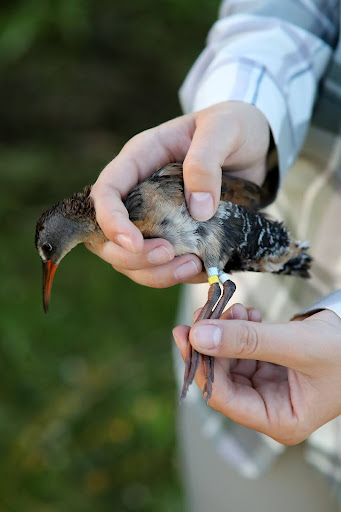
- 2011: Burke Lake Banding station opened with the goal of integrating avian research, the training of current and future wildlife professionals, and the education of people of all ages in the mid-Michigan region, while also showcasing the diversity of wildlife in the area.
- 2014: Scott Winterstein replaced Mike Jones as chair.
.jpg?language_id=1)
- 2014: The mobile boat washing program was formed in an effort to promote inv
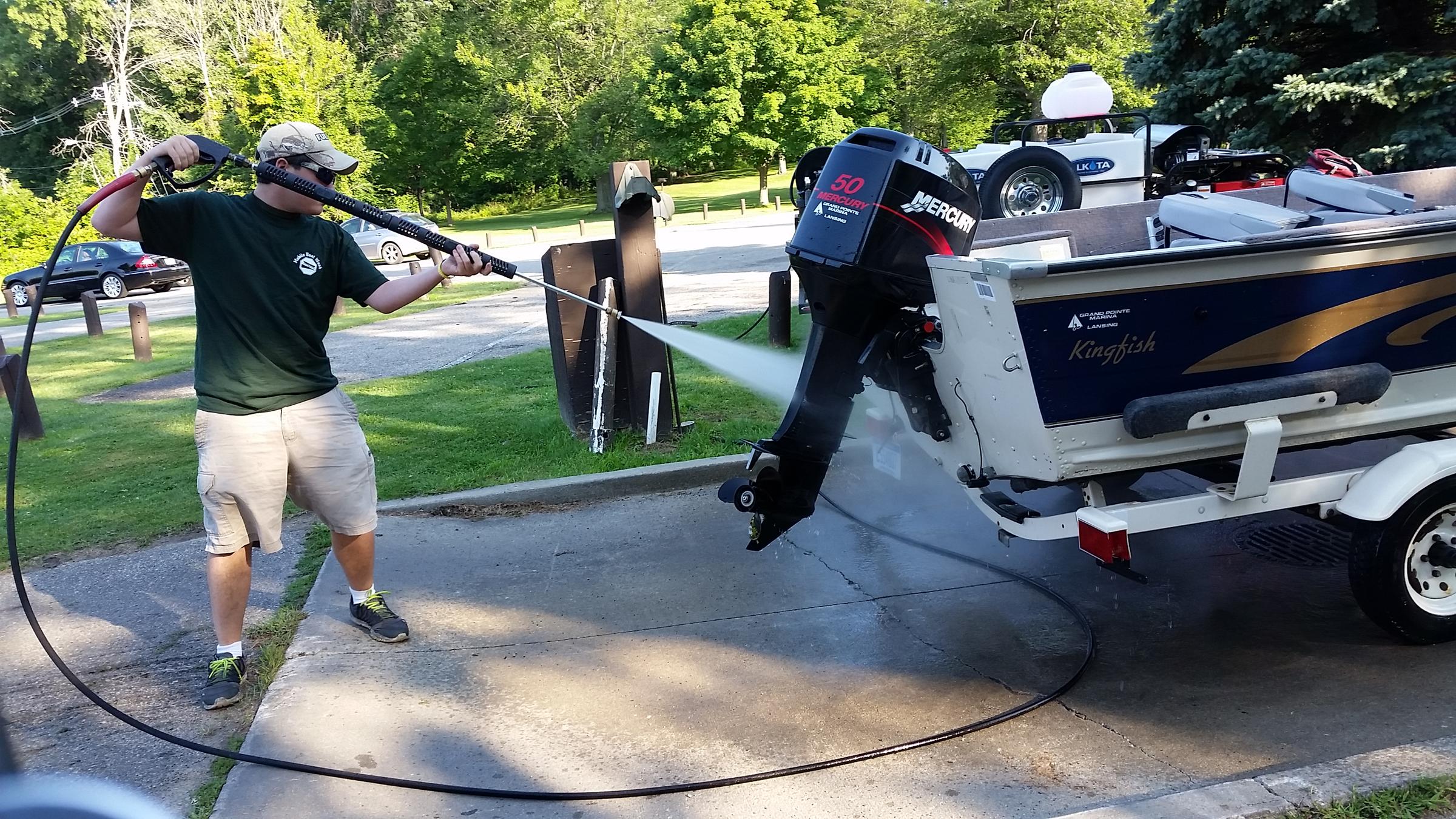 asive species prevention. It enables local organizations to promote awareness of aquatic invasive species and proper boat cleaning practices through a free Mobile Boat Wash event in their community.
 - 2015: The Michigan Network for Environmental Health & Technology (MiNet) was established. MiNet protects human health by assessing recreational water quality, identifying sources of fecal contamination in surface water, and monitoring SARS-CoV-2 in wastewater, through a network of laboratories that use advanced PCR-based methods.
- 2015: The Spartan Polar Bear was restored. By this time, the iconic Spartan Polar Bear, which stands in the Natural Resources Building, needed some repairs. After a successful crowdfunding campaign led by FW, the polar bear was restored in 2015.
- 2015: FW partnered with the food and agriculture association of the United Nations to host a global conference on inland fisheries.
- 2018: Scott Loveridge became chair of FW.
- 2018: Corey Marsh Ecological Research Center (CMERC) opened. The center is
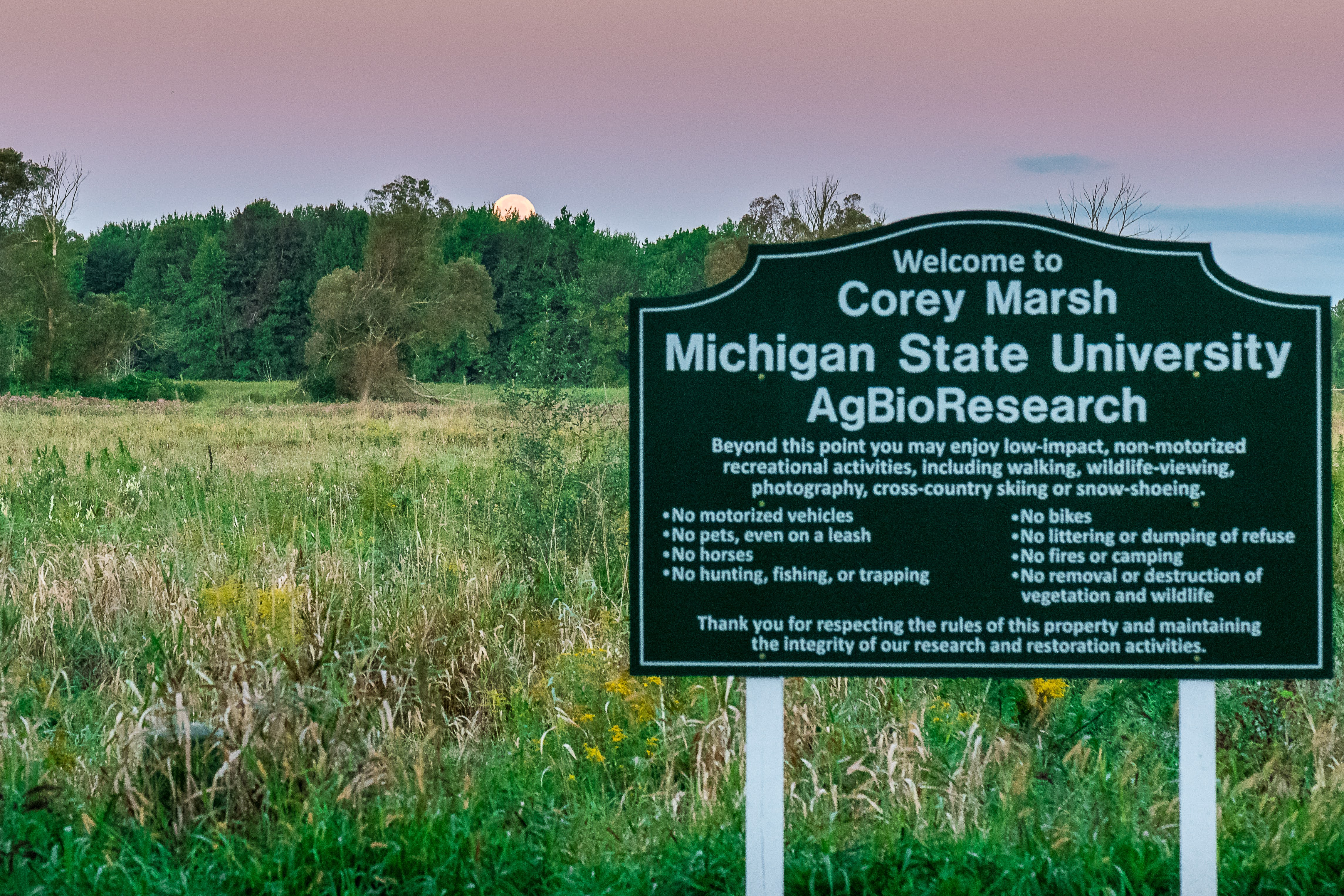 used for scientific research in natural resource restoration and management, and provides opportunities for student experiential learning and community engagement.
- 2020: The center of PFAS Research was established. This organization works to quantify and communicate PFAS risks and mitigate the impacts on human health, agriculture and natural resources.
- 2021: The Glassen Undergraduate Experience was established. This program provides students with the opportunity to gain professional experience in the Fisheries and Wildlife field early in their academic career. Students selected to participate in the GUE are mentored by a Fisheries and Wildlife faculty member and conduct a research or outreach project over the course of 1-2 semesters.
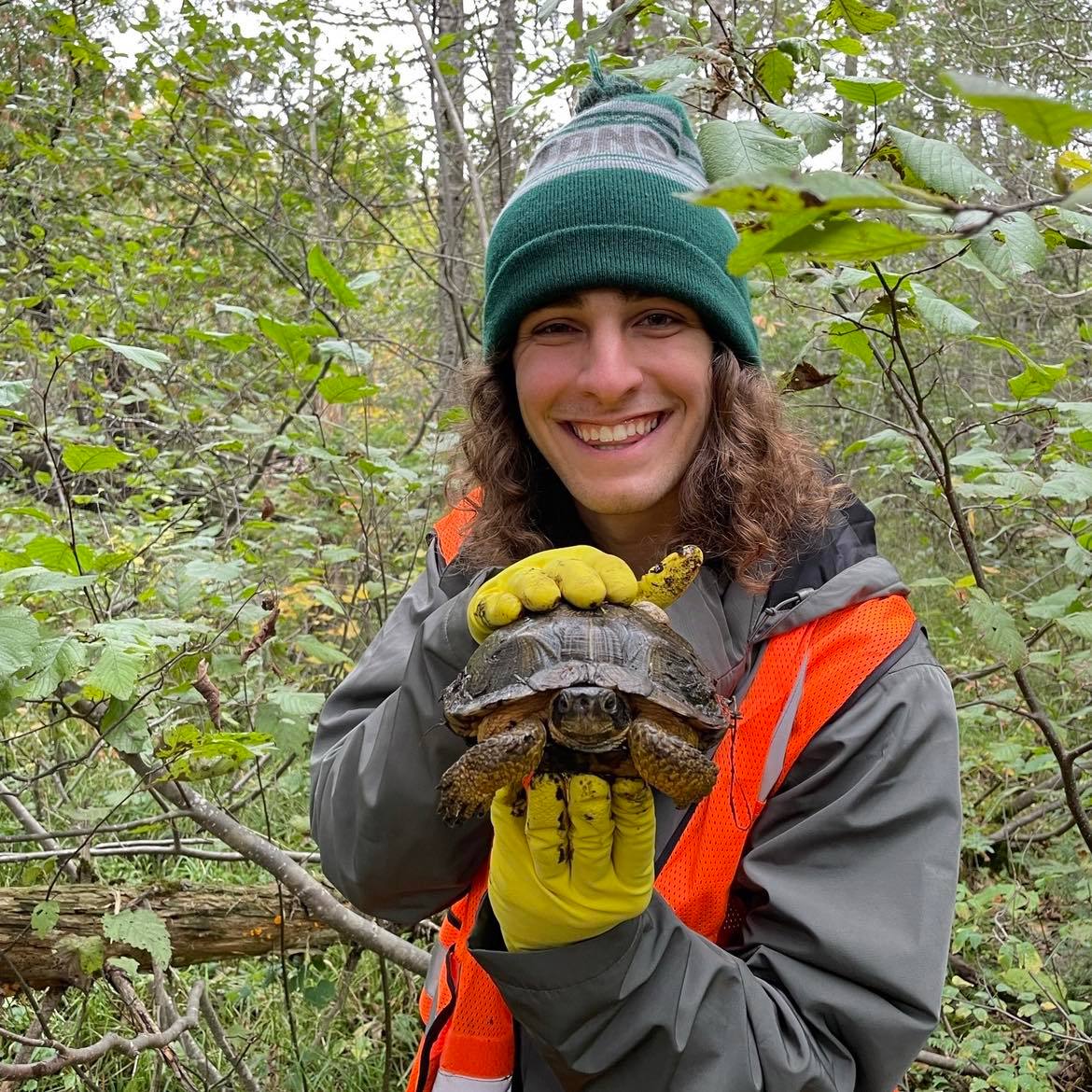 Student in Glassen Undergraduate Experience
- 2021: Gary Roloff became chair of FW, replacing Scott Loveridge.
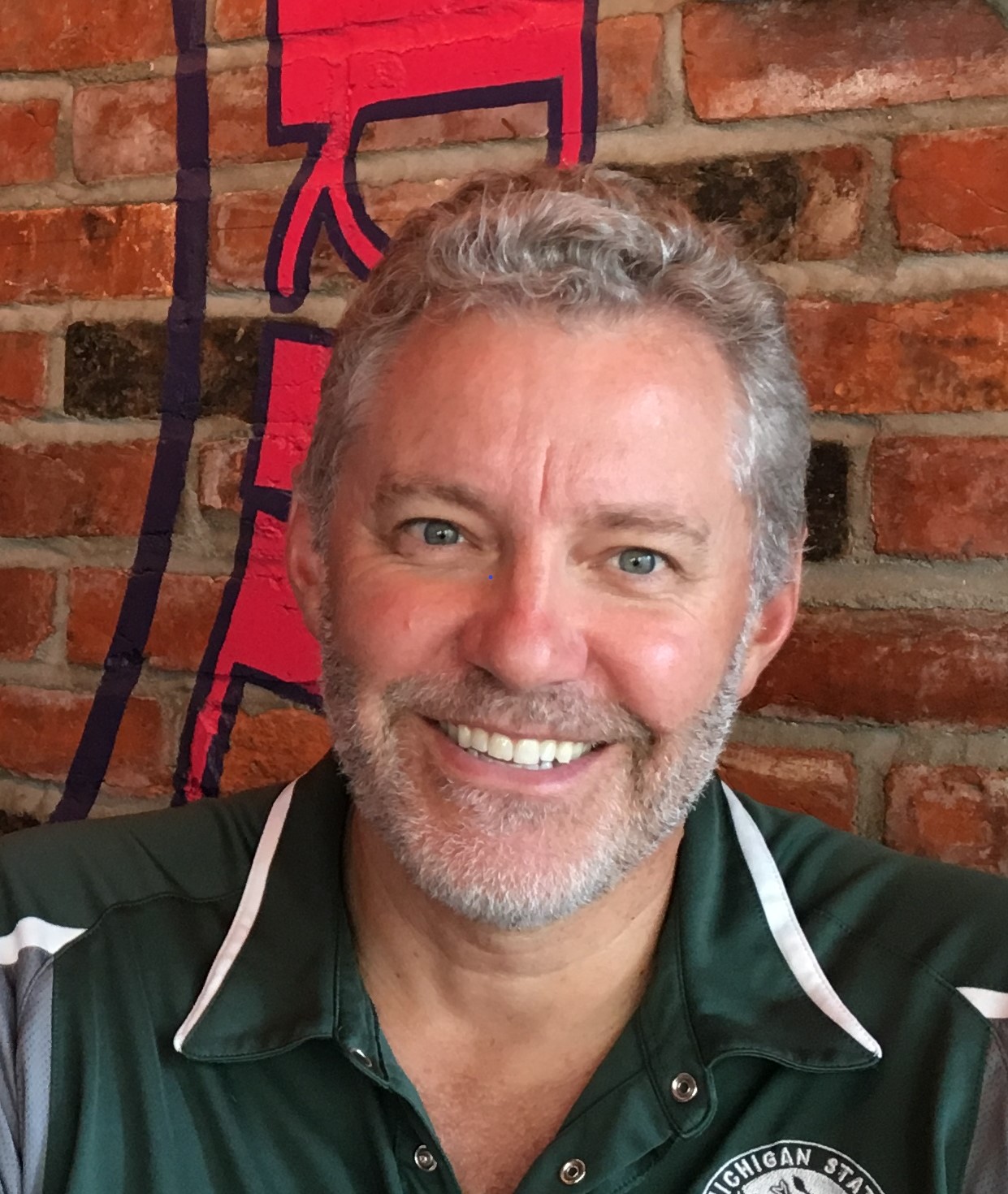 Gary Roloff
- 2022: The Wild Foods Institute at MSU was established. This organization has a commitment to conservation and sustainability, supporting livelihoods, and enhancing food security worldwide. They apply science to integrate those in collaboration with communities and organizations to develop policies, with the goal of connecting society to sustainable wild harvests through science. 2022: The Peregrine Falcon nest box was installed on Spartan Stadium. This project was designed to promote urban wildlife conservation of a state-endangered species while providing outreach opportunities to students and the public.
.PNG?language_id=1)
- 2023: The Michigan Fish and Wildlife Cooperative Research Unit opened to help increase fish and wildlife research in the Great Lakes, and was established through a partnership between the U.S. Geological Survey (USGS), the U.S. Fish and Wildlife Service, the Michigan Department of Natural Resources, and MSU.
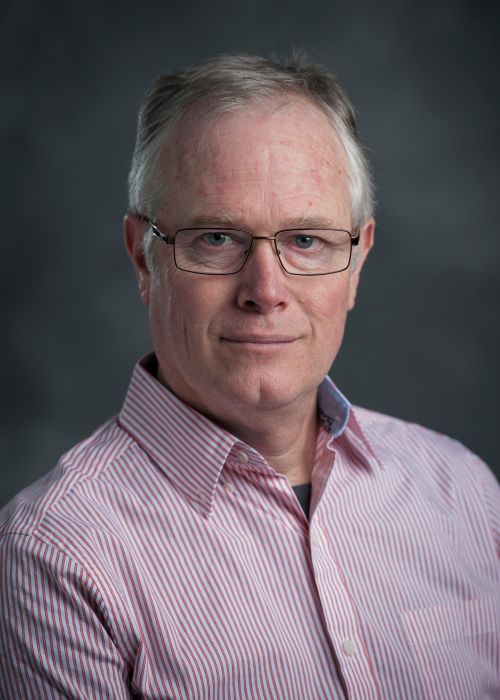
- 2024: Dana Infante became chair of FW.
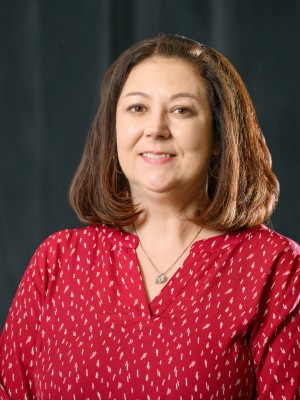
- 2025: Four new undergraduate majors were launched - Applied Conservation Biology, Aquatic Ecology & Management, Fish Ecology & Management, and Wildlife Ecology & Management.
The Celebration & Shift into the Future
On Friday, September 12th, and Saturday, September 13th, 2025, the entire FW community came together for two full days of celebration to honor the 75th anniversary of the Department. The celebration began with educational tours and a symposium involving scientific poster presentations, keynote speakers, and a networking lunch for students and professionals to meet. Friday’s events ended with an FW fest, hosted at Bengel Wildlife Center. The festival was a great success and included an FW graphic design contest, delicious food, a live band, and a bonfire! On Saturday, the department hosted a large tailgate, filled with games, food, and various vendors. There were many opportunities for networking and collaboration within the FW community during the event. The weekend of celebration was more than just fun - it was a great way to bring the FW community together, contributing to FW’s core values of collaboration and impact. From students to faculty to alumni, many great connections were made and it demonstrated the cohesiveness of FW as a whole.
 Photos of 75th Celebration
“My experiences in Fisheries and Wildlife have left a lasting impact on both my career and personal growth. Teaching courses such as Wetlands Ecology and Management, the Fisheries and Wildlife 101 lab, and Lake Ecology gave me the opportunity to share my passion for the natural world while helping students build a strong foundation in ecological principles.Watching our lake research project expand into a statewide program was incredibly rewarding,as it demonstrated how dedicated efforts in research and outreach can grow into something much larger than imagined. Some of my most meaningful experiences have come from mentoring undergraduates, seeing them develop professionally, and celebrating as they secured jobs after graduation. Along the way, I have also built lasting relationships with Fisheries and Wildlife colleagues, whose support, collaboration, and friendship continue to shape my work and inspire me. Together, these experiences have instilled in me a deep appreciation for teaching, mentoring, research, and the broader Fisheries and Wildlife community.”
- Jeremy Hartsock
Assistant Professor
MSU’s Department of Fisheries and Wildlife has made remarkable contributions to conservation, research, and education over the past 75 years, both on campus and across the globe. Beyond its scientific achievements, what truly defines the department is its people - the students, faculty, alumni, and partners, whose dedication contributes to progress on campus and throughout the community. As FW moves into the future, its commitment to collaboration, research, and stewardship will remain strong. Together, the FW community will continue to strive to create a more sustainable planet, ensuring that the next 75 years are just as impactful as the first.
75 Years of FW – An Evergreen Story was created by Elle Beaufait (B.S. in Fisheries and Wildlife, 2026) with design support from Harshitha Maria Rock (B.S in Computer Science, 2027).
 Print
Print Email
Email