


Learn From Experienced Farm Mentors
The Michigan First-Generation Farm Mentors Project will match ten first-generation farmers with experienced mentors to strengthen mentees' farm management and sustainability, while supporting adoption of new practices. Mentors represent a wide range of farming practices, specialties, and communities across the state of Michigan. Explore the Farm Mentor Map here.
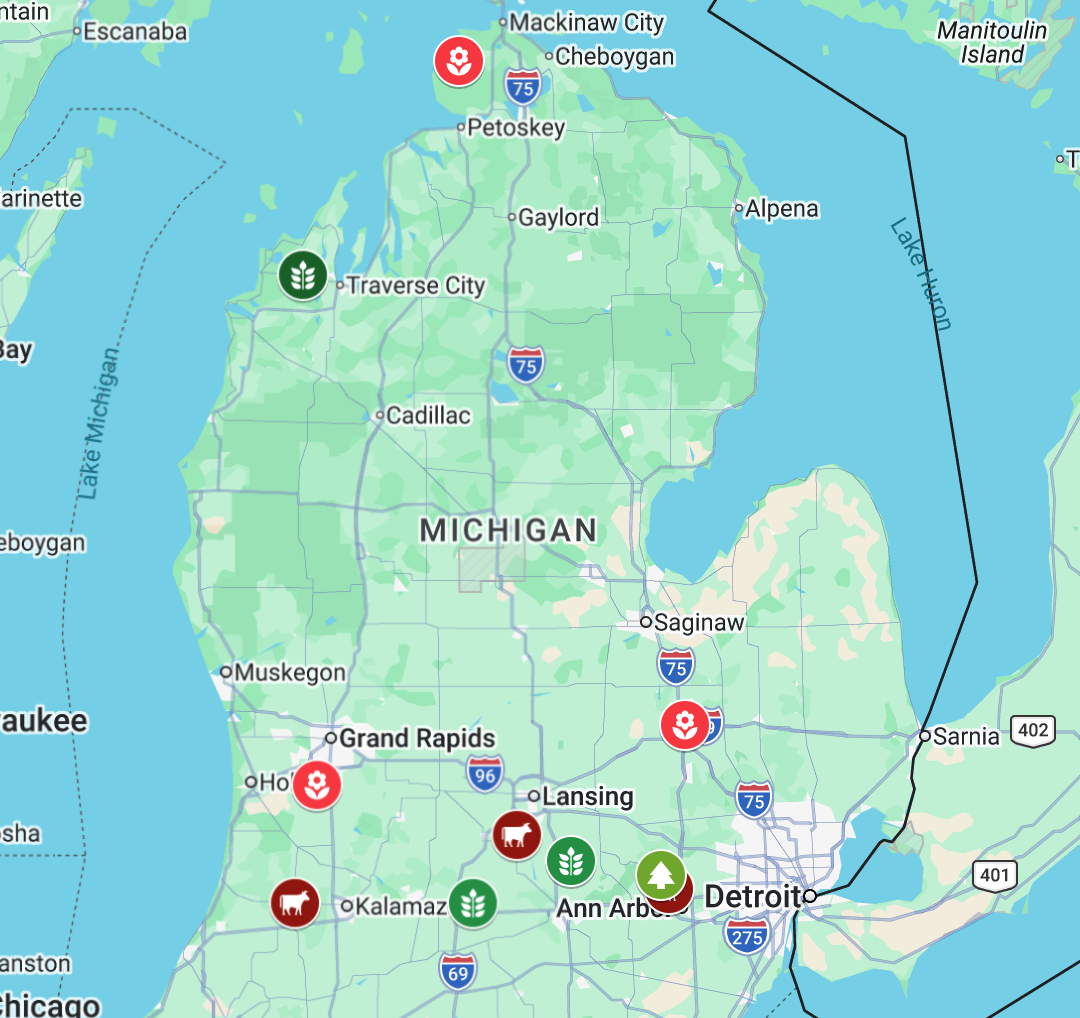
🌱 10 MENTORS
Ten experienced farmers will mentor first-generation growers, advise on project planning and improve their own communication skills and quality of life.
🌿 8 FARM TOURS
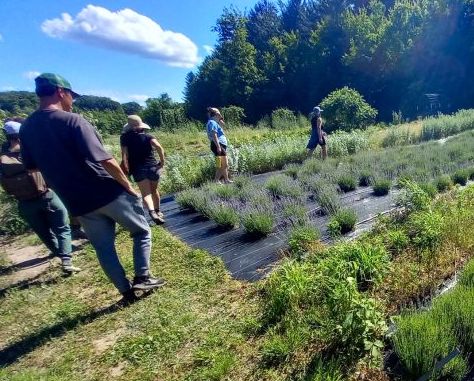
Eight Michigan farm tours will showcase sustainable innovations for more than 160 participants, with videos expanding access for many more.
🪴 ONLINE RESOURCES
Conference sessions, webinars, and online materials, including at least one new chapter in MSU Extension's Beginning Farmer Resource & Decision-Making Guide, will share practical, sustainable strategies for first-generation farmer success across Michigan and beyond.
Sign Up for Mentorship
Get paid to learn from experienced farmers! This 20-hour farmer mentorship offers personalized, hands-on guidance to help you grow your farm with confidence. Connect with experienced growers, build practical skills. Mentees and other new farmers can also learn through four on-farm tours each year.
Sign up today to invest in your farm’s future while earning as you learn.
Educational Resources for First-Generation Farmers
Beginning Farmer Resource & Decision-Making Guide
The Beginning Farmer Resource and Decision-Making Guide provides a pathway to resources a new farmer or decision-maker may need to get started and support their production journey. Starting with production in mind, resources give farmers an introduction to important farming topics and direct them to education and decision-making tools as well as how to connect with agricultural partners.
Beginning Farmer Curriculum Website
The Beginning Farmer Curriculum Website includes curricula and resources developed across Michigan for beginning fruit and vegetable farmers. The materials are designed to facilitate hands-on peer-to-peer learning opportunities for farmers. We encourage farmers to use the materials to learn together, even if they are not part of a formal farmer education program.
MSU Organic Farmer Training Program (OFTP)
The MSU Organic Farmer Training Program (OFTP) helps new farmers learn real hands-on farm skills while planning for a farm that fits their values, goals, skills, land and markets. This experience is defined by its learning community of aspiring and beginning farmers, farmworkers, homesteaders, educational gardeners and OFTP instructors who all support each other in learning skills for farming, business planning and creating positive community change.
This material is based upon work that is supported by the National Institute of Food and Agriculture, U.S. Department of Agriculture, under agreement number 2025-38640-45386 through the North Central Region SARE program under project number ONC26-181. USDA is an equal opportunity employer and service provider. Any opinions, findings, conclusions, or recommendations expressed in this publication are those of the author(s) and should not be construed to represent any official USDA or U.S. Government determination or policy.
 Print
Print Email
Email