


Have you used your food thermometer lately?
 Print
Print Email
EmailAvoid the risk of foodborne illness by cooking to recommended minimum internal temperatures using a food thermometer.
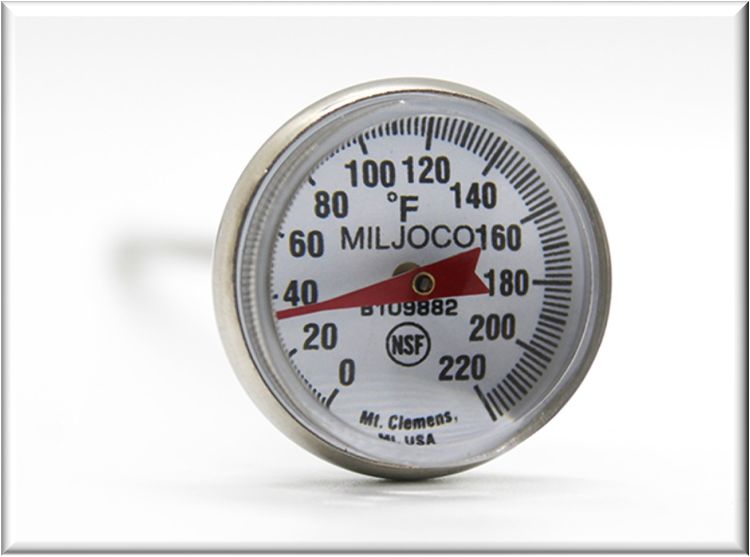
Do you have a thermometer in your home kitchen? If so, have you used your food thermometer lately? The 2019 United States Department of Agriculture Economic Research Service (USDA-ERS) study, called "Consumer Food Safety Practices: Raw Milk Consumption and Food Thermometer Use," indicated that while 67% of adults have a food thermometer in the home, only 14% of home meal preparers use a food thermometer during a typical week. Having a food thermometer is important in preparing safe food, but using it each time you cook food is a critical step.
Michigan State University Extension encourages the use of a food thermometer when cooking to ensure the recommended minimum internal cooking temperatures are met. Checking those internal food temperatures with a thermometer is the only way to know that your food is cooked safely and ready to consume. In a USDA study, 21% of participants relied on the color of the hamburger to determine if their hamburger patties were fully cooked. Color is not a safe indicator that food is properly cooked and safe to eat and could put you at risk for foodborne illness. There are instances when meat can “look done” but not be cooked to a safe temperature. Foods cooked to the recommended temperature and measured with a food thermometer are safe to consume, no matter what the color of the food is. Cooking to the minimum internal cooking temperatures will kill the harmful bacteria.
Foods are safely cooked when they are heated for a long enough time and at a high enough temperature to prevent foodborne illness.
Use this minimum internal cooking temperature chart below to ensure a safely cooked product every time.
|
Ground Meat |
Beef, Pork, Veal, Lamb |
160°F |
|
Fresh Beef, Veal, Lamb |
Steaks, roasts, chops |
145°F |
|
Poultry |
Chicken & Turkey, whole Duck & Goose |
165°F |
|
Pork and Ham |
Fresh pork |
145°F |
|
Eggs & Egg Dishes |
Eggs |
160°F |
|
Leftovers & Casseroles |
Leftovers |
165°F |
|
Seafood |
Fish |
145°F |
Thermometers are an inexpensive kitchen tool to help keep your food safe. They can be purchased at hardware stores, grocery stores, kitchen stores or through online retailers. Once you have your thermometer, here are a couple tips for using it:
- Wash your food thermometer with hot, soapy water before and after each use.
- Insert the food thermometer into the thickest part of the food, making sure it doesn't touch bone, fat or gristle. After 15 seconds, read the thermometer. Take a temperature reading in two places since the temperatures can vary in the food item.
- Follow the minimum internal cooking temperatures listed above.
- If using bimetallic stemmed thermometers, calibrate them regularly.
If you do not have a food thermometer, purchase one and if you have one, get it out of the kitchen drawer and use it. Keep your food safe by using your food thermometer every time you cook.
Rhodes, M Taylor, et al. United States Department of Agriculture Economic Research Service Economic. “Consumer Food Safety Practices: Raw Milk Consumption and Food Thermometer Use,” 2019, www.ers.usda.gov/sites/default/files/_laserfiche/publications/91110/EIB-205.pdf?v=69976 .