MSU Extension's neighborhood experts supporting connection
 Print
Print Email
EmailMSU Extension programs and partnerships foster meaningful connections by creating opportunities for people to learn, engage with others, and strengthen their sense of belonging within their communities.
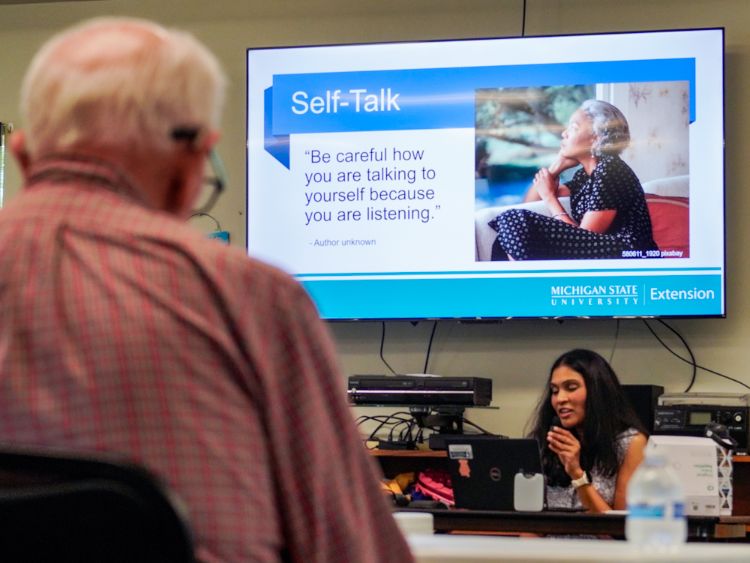
Nestled in rural northern Macomb County, you'll find the quiet village of Armada. About one-quarter of its residents are under age 18, while approximately one-fifth are age 65 and older. Once voted the "Nicest Place in Michigan," the village is home to a small senior center where community members are invited to gather, learn and connect. It’s a convenient location that places it near downtown, a playground and a park.
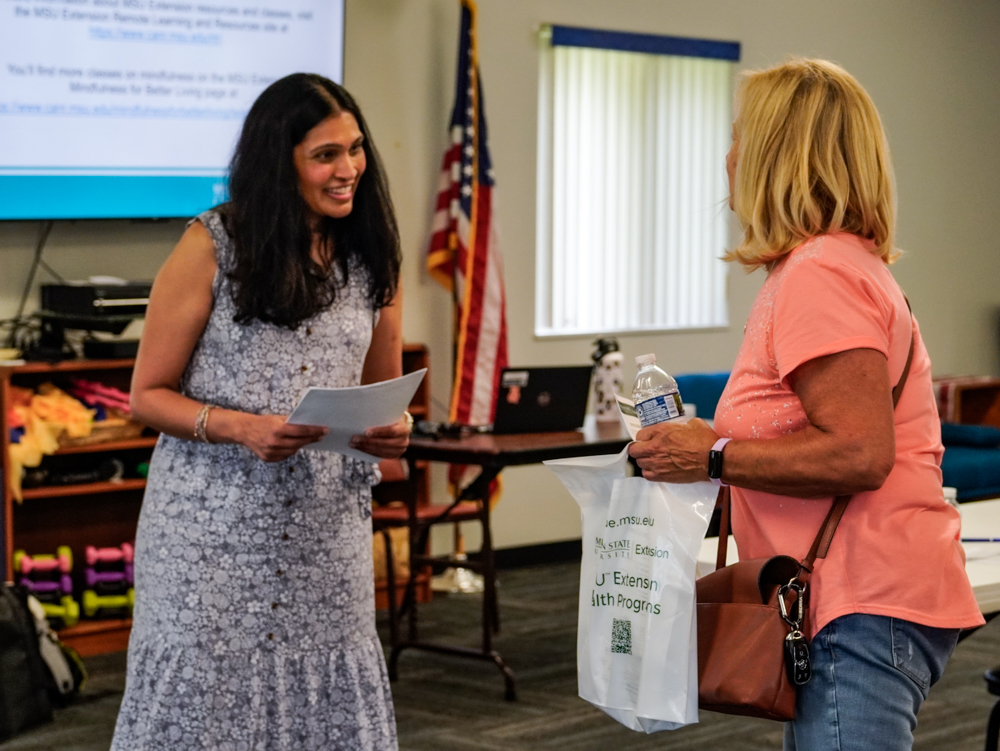
It was here that Dr. Miloni Rathod, an MSU Extension health program instructor, recently taught Changing Negative Self-Talk to a room of older adults. The class lasted just an hour, but its impact extended beyond the educational content.
Participants lingered after the session, sharing stories, discussing life experiences, and enjoying conversations that brought them together — and connected them to our experts. Everyone left the room with a smile.
It's evident how important these moments of shared connection are.
In 2023, the U.S. Surgeon General declared loneliness and social isolation a public health concern, citing research that links prolonged social isolation to increased risks of heart disease, dementia, depression and premature mortality.
But loneliness is more complex than simply being alone.
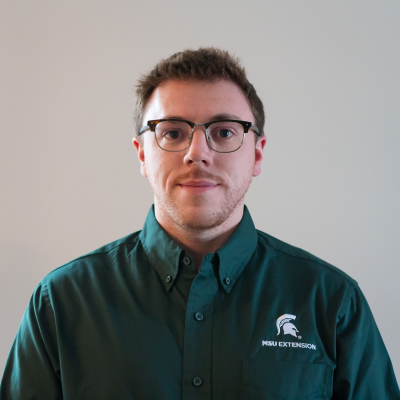
"I like to talk about loneliness more from the standpoint of connection versus disconnection," said Tanner Derror, MSU Extension health educator. "A lot of people focus on social loneliness, but we know there's more to it than that. There's connection with ourselves, connection with other people and connection with our communities."
People can feel lonely at any stage of life. Older adults may experience the loss of loved ones, retirement, changing routines or reduced mobility. Younger adults face different challenges, including uncertainty, social pressures and increasing societal reliance on digital spaces for interaction.
While the causes vary, one common thread emerges across MSU Extension programming: people often discover, through the engaging activities and after-session conversations, that they are not alone.
"People start to go, 'Oh, I thought I was the only one experiencing this.' And all of a sudden, 'Oh, I don't feel alone anymore,'" Derror said.
Creating Spaces for Connection
Sociologist Ray Oldenburg coined the term "third place" to describe community spaces outside of home and work where people can gather, build relationships and experience a sense of belonging.
For some people, third places may be difficult to access because of transportation barriers, physical limitations, geographic distance or other life circumstances. That's where community-based educational programming can play an important role.
MSU Extension offers evidence-based programs that help participants build skills while also creating opportunities for meaningful interaction.
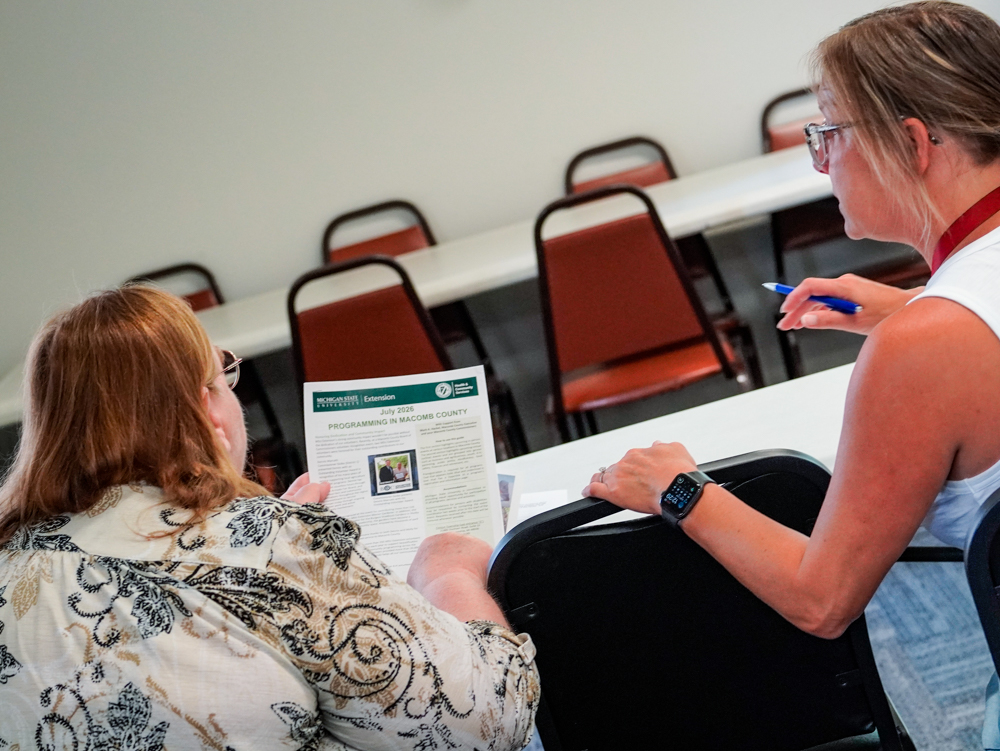
"The content of our programs and the experience of our programs are incredibly important here," said Dr. Nicole Persing-Wethington, MSU Extension health educator.
Dr. Persing-Wethington explained that programs focused on stress management, communication, chronic disease self-management, physical activity and fall prevention often provide benefits beyond the intended curriculum.
"We're providing different opportunities and a really safe space for people to connect with the content, with themselves, with others," she said. "So that way they're not just floating on their own."
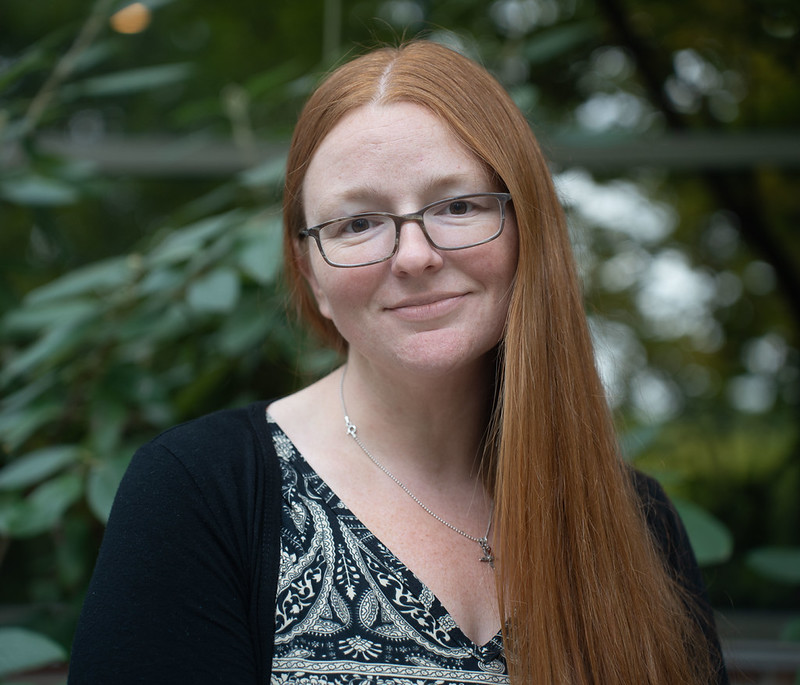
These connections often form naturally during classes.
"Folks are going to come and talk before tai chi class, and they're going to laugh, and they're going to find someone who lives near them, and they're going to find someone who's interested in something they're interested in," Dr. Persing-Wethington said.
Those conversations can lead to friendships, support networks and a stronger sense of community.
"They start to really connect in ways where they're like, 'Oh yeah, we have similar life experiences. We can learn from each other and support each other,'" Derror said.
Mindfulness for Better Living
One program specifically designed to help participants strengthen their connection with themselves and others is Mindfulness for Better Living.
The program helps participants develop mindfulness skills that can improve emotional well-being, increase self-awareness and foster healthier relationships. Rather than focusing solely on social connection, mindfulness encourages participants to better understand their thoughts, feelings and experiences in the present moment.
Derror noted that mindfulness has been shown to help reduce feelings of loneliness by helping people recognize negative thought patterns, practice self-compassion and approach new experiences with greater openness.
The program also explores how technology can be used intentionally rather than automatically.
While digital tools can help people stay connected, excessive screen time and passive online engagement can sometimes contribute to feelings of isolation. The goal is not to eliminate technology, but to help participants use it in ways that support meaningful connection and well-being.
"We're using it very intentionally," Dr. Persing-Wethington said when discussing virtual programming and technology. "So that way we can increase access to folks who would not otherwise be able to participate."
Virtual programs can also serve as an accessible entry point for people who may feel hesitant about attending an in-person class, allowing them to build confidence and connections from wherever they are.
Meeting People Where They Are
MSU Extension may not be a third place itself, but educators work closely with libraries, senior centers, community organizations and local partners to create opportunities for people to learn and connect.
"A lot of our programs really indirectly address some of the aspects of isolation and loneliness through how they're set up," Derror said.
Whether participating in a mindfulness workshop, a fall prevention class, a chronic disease management program or a discussion about healthy communication, participants gain more than information. They gain opportunities to engage with others and feel part of a community.
Sometimes, that's all it takes.
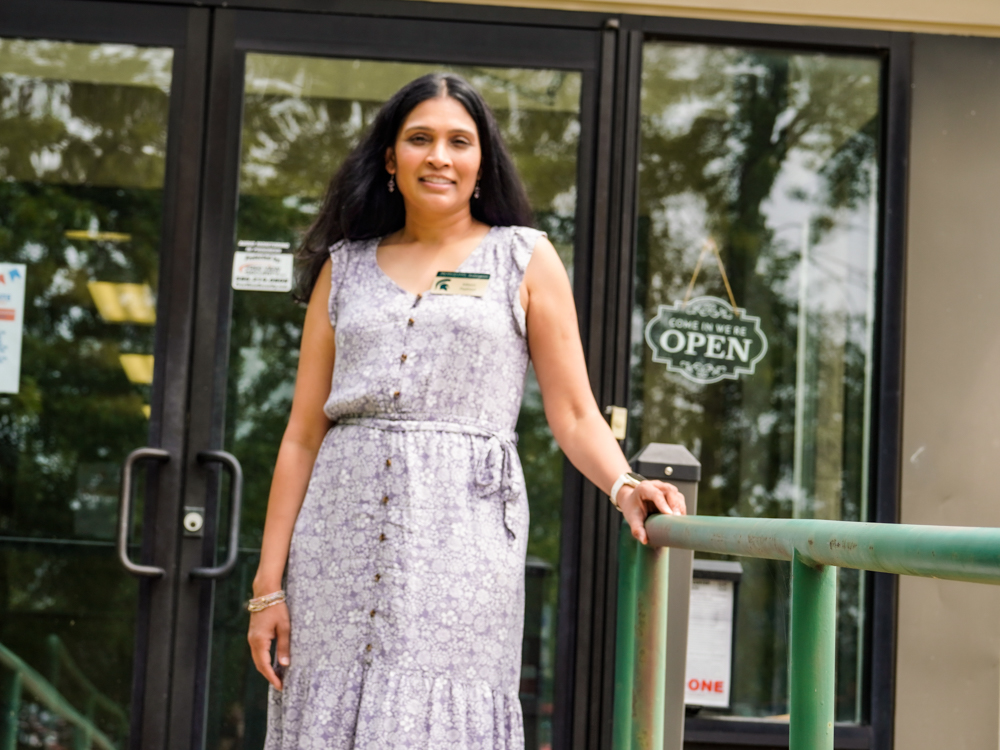
“Our team is small but mighty,” says Dr. Rathod. “And we meet people where they are. We keep community in mind and be that medium that brings people together.”
And while participants may not remember every lesson from every class, the sense of connection often lasts much longer.
"People might forget what I talked about in the program," Derror said, "but they're not going to forget how it felt."