Southwest Michigan fruit update – March 31, 2026
 Print
Print Email
EmailThis is the first fruit scouting report of the season.
MSU fruit updates
Happy spring! The plants are waking up, and we are back with our regular weekly scouting updates and integrated pest management (IPM) meetings. If you haven’t signed up to come to the Tuesday night meetings, sign up now.
Weather
This past week was fairly typical of an early Michigan spring. The warmest day was on Thursday, March 26, with parts of southwest Michigan seeing low 70s. The coldest day of the week was on Friday, March 27. Benton Harbor didn’t even hit 40 degrees Fahrenheit. This temperature flip flop led to storms Thursday night.
This upcoming week is going to be rainy but also a little warmer than last week. So, if you didn’t get your dormant sprays on yet, get them done when you can. As Mark Longstroth would say, “A warm day in April is like a week in August,” and fruit move quickly when it starts to warm up. While it won’t be getting unseasonably warm, in much of the region it is expected to get into the 70s on Thursday, April 2.
Tree fruit
Apricot
Trees are in full bloom in central Berrien and Van Buren counties. This is a critical window for brown rot management, as bloom is highly susceptible. With wetting events expected, the risk of infection is elevated.
Fungicide applications should be made during bloom to protect flowers and prevent early infection, which can carry through to fruit later in the season. Timing ahead of rainfall is essential to ensure adequate protection.
Peach and nectarine
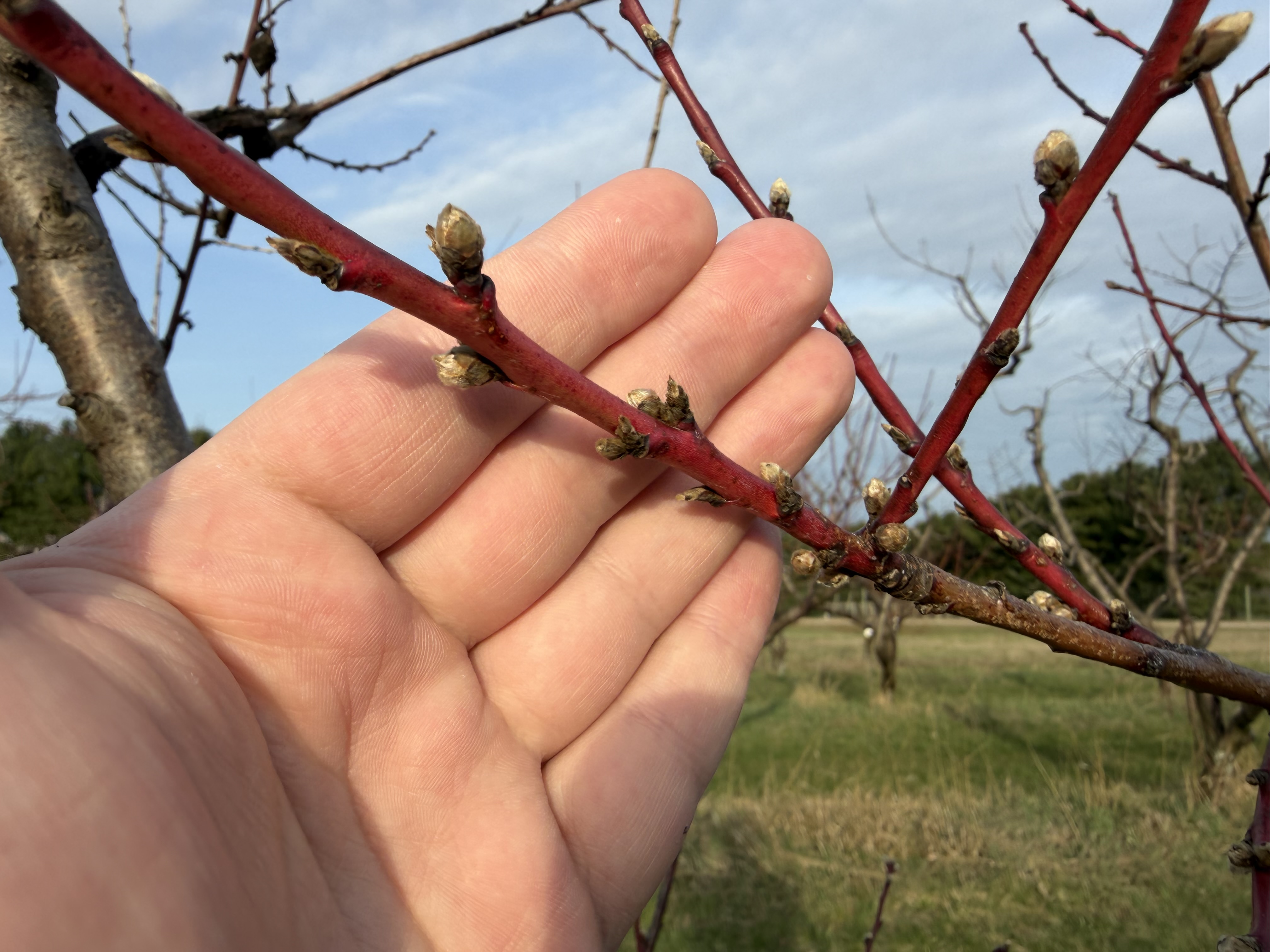
Buds are now swollen, and recent mild temperatures and moisture have increased the risk of peach leaf curl infection. This disease requires extended wetting periods (10+ hours) with temperatures between 46–55 F. With rainfall expected on Wednesday, April 1, and additional rain and thunderstorms on Thursday, April 2, across much of lower Michigan, conditions will be favorable for infection.
Peach leaf curl causes infected leaves to distort and eventually drop, forcing the tree to expend energy producing new foliage. This reduces the tree’s capacity to support fruit development, making effective control essential for maintaining full cropping potential.
Applying treatments at this stage can help reduce additional infections under these conditions, even beyond bud swell. Low-rate copper applications may also help suppress bacterial spot populations.
Plum
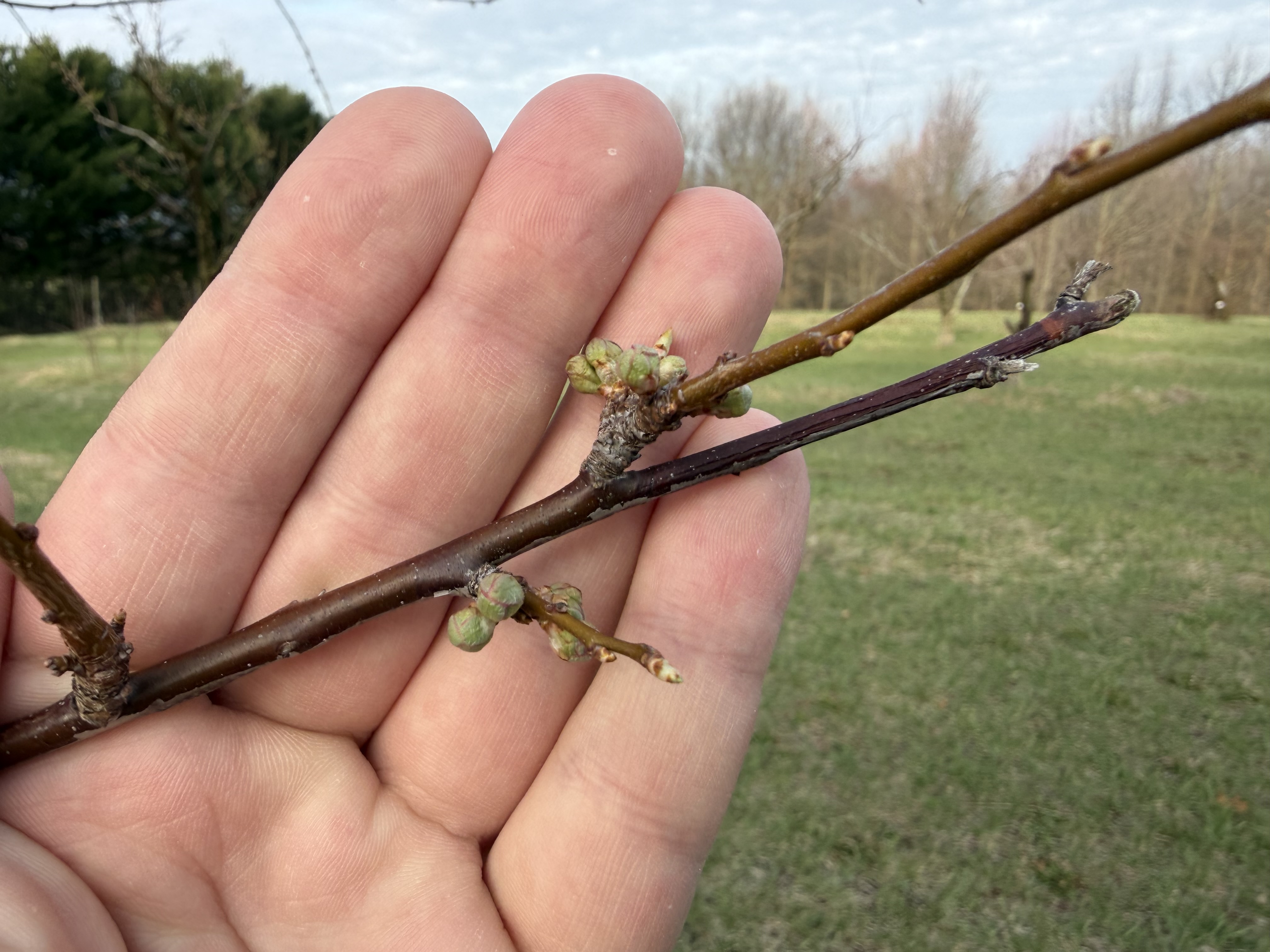
Plums are at tip green to tight cluster and advancing rapidly with recent warm conditions. Avoid pruning during this period, as the upcoming wet weather will favor the spread of black knot spores. Delaying pruning until drier conditions will help reduce the risk of new infections.
Cherries
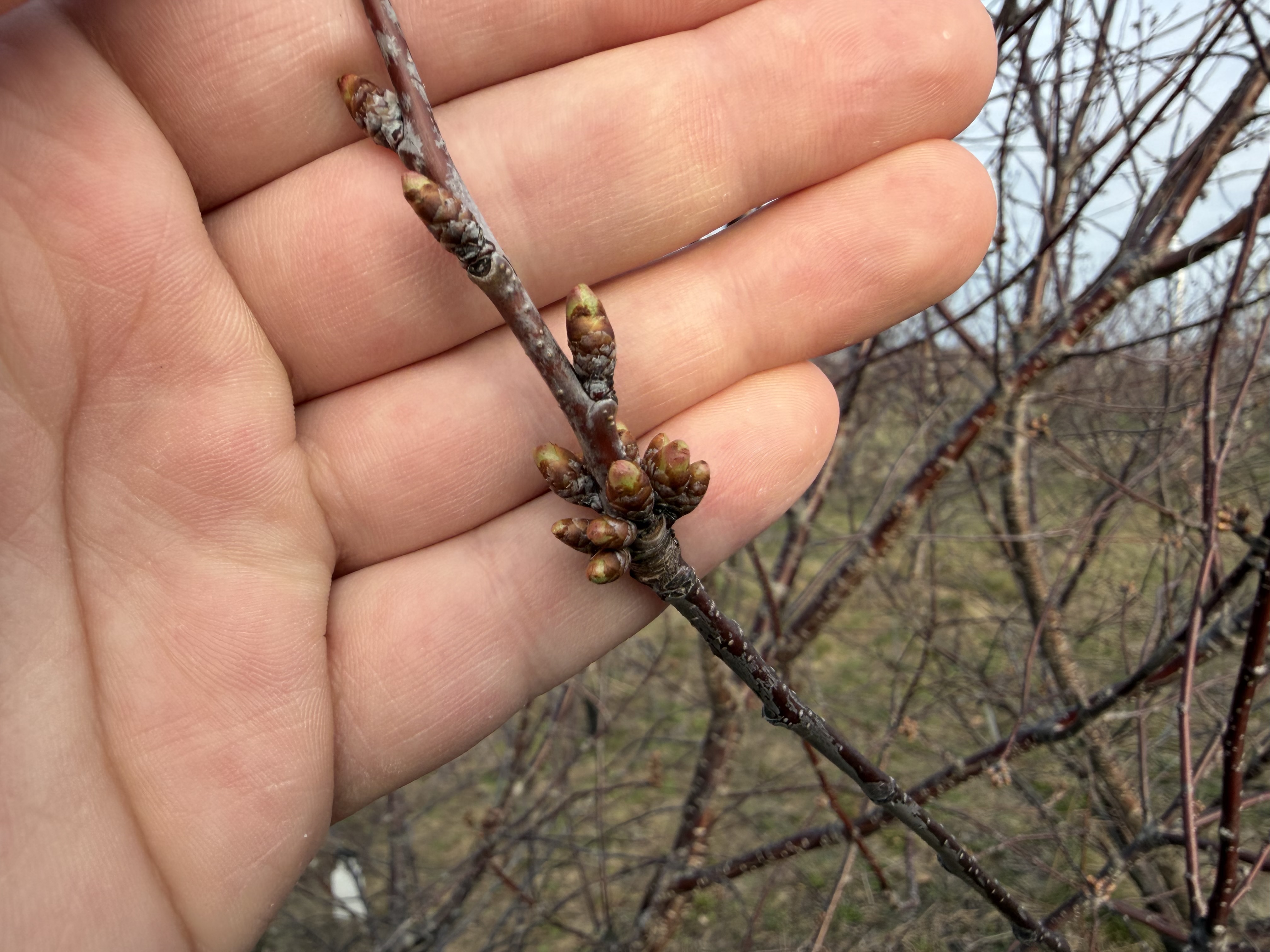
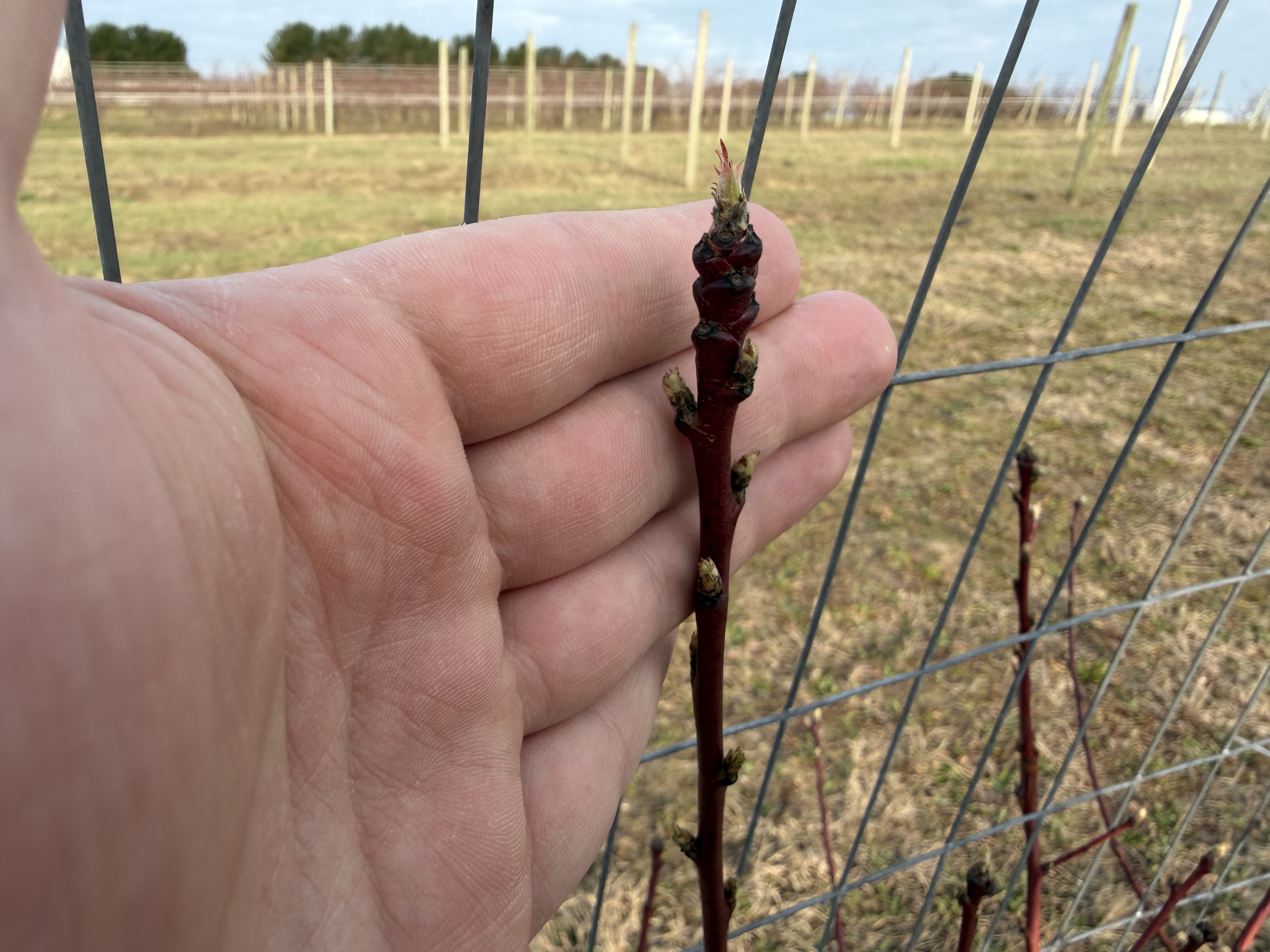
In cherries, tart cherries at side green to early green tip in central Berrien County. Sweet cherries are at green tip in Berrien and Van Buren counties. Copper sprays can be safely applied to cherries up to bloom, while rates are recommended to be 25-35% of a dormant application. When applying copper, make sure to note the percentage metallic copper as these differ by product formulation. There are many different copper formulations. Copper applications may reduce bacterial canker in cherries.
Avoid pruning during this period, as warm, wet conditions favor bacterial and fungal spread and increase the risk of infection.
Apple
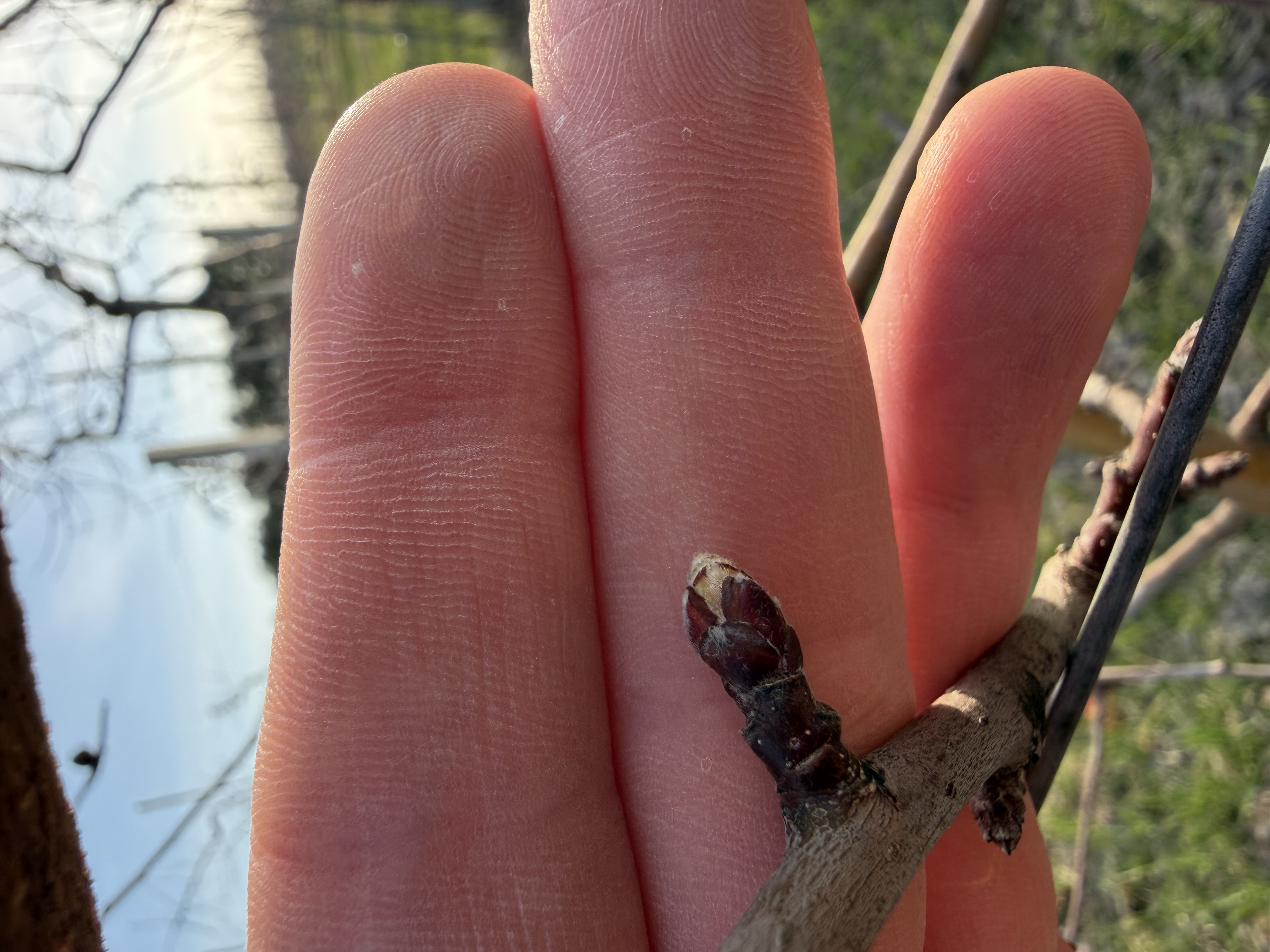
In apple, most varieties reached green tip last week in central Berrien County, while the early cultivar Zestar! is now between 0.25 and 0.5 inch green. Forecasted rainfall on Wednesday, April 1, and Thursday, April 2, is expected to drive a high to extreme risk for an apple scab infection period, with conditions conducive to primary infection over the next three to four days.
This is a primary scab window: overwintering inoculum is mature, tissue is susceptible, and extended wetting is imminent. Protectant fungicides should be applied ahead of this event to prevent infection. Effective options include Captan, Mancozeb, Captozeb (Captan + Mancozeb) or copper. Coverage and timing are critical; materials must be on and dried before the onset of rain, as infection is driven by leaf wetness duration rather than rainfall alone. Protectant fungicides do not have much, if any, back action, and must be applied before the onset of infection so timing applications before rain events is critical.
Pear
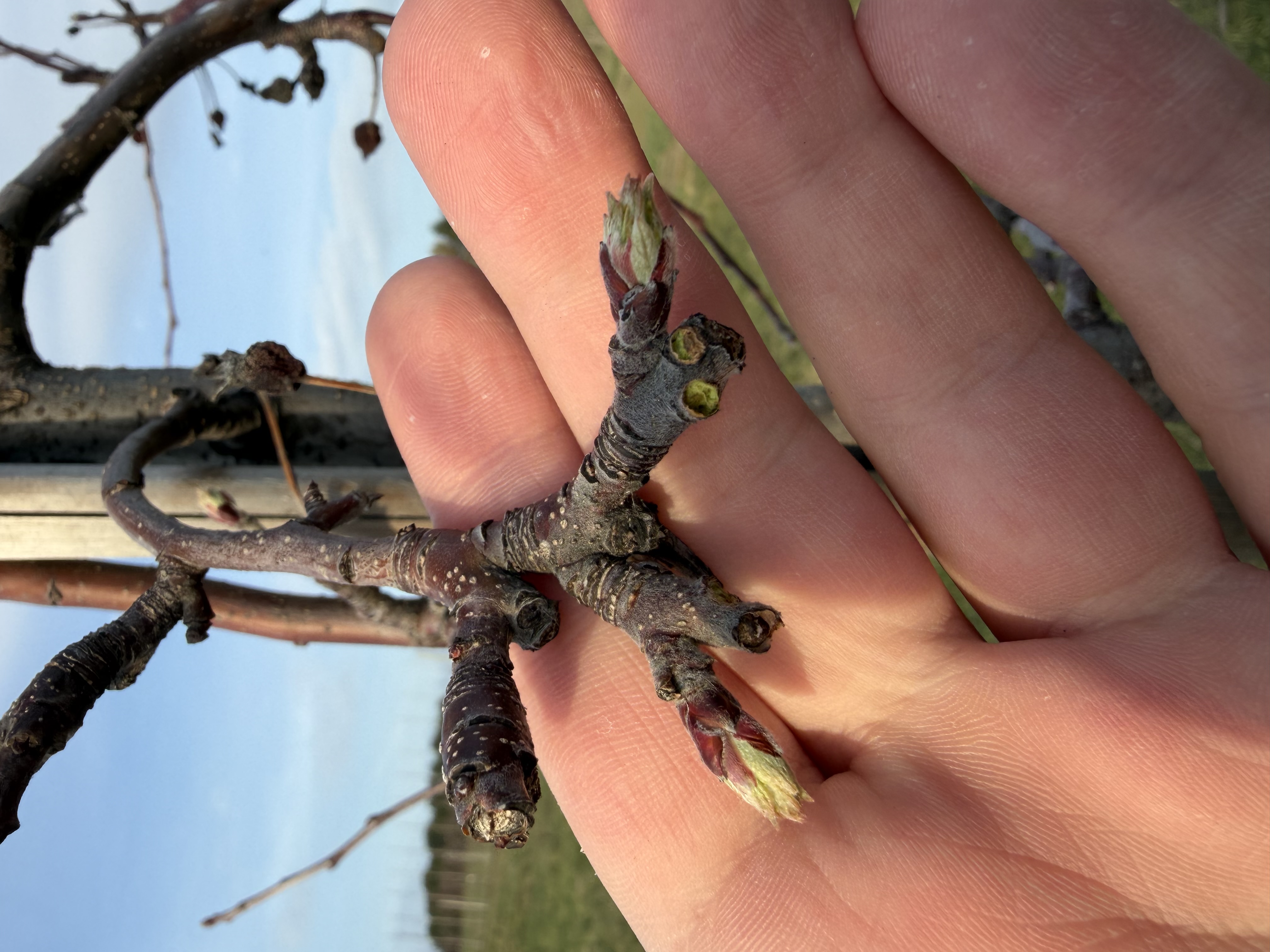
Buds have expanded so that the blossoms are exposed. With upcoming wetting conditions similar to apple, the risk of pear scab is elevated. Protective fungicide applications are recommended ahead of the next rain event to prevent infection during this primary scab period.
Pear psylla can be managed now, reducing risk of damage to fruit post-bloom. Spring egg-laying can be suppressed now by pre-bloom oil applications.
Small fruit
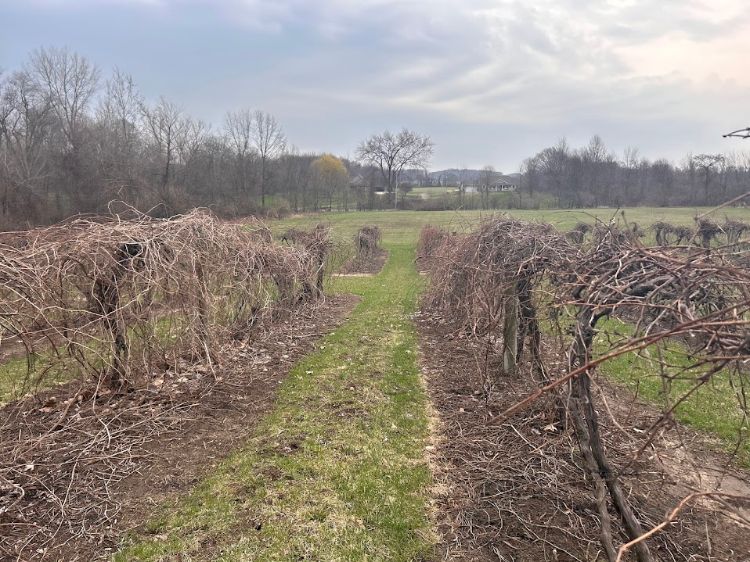
Grapes have started weeping in southern Berrien County. Marquette is just beginning bud swell. Organic and unconventional growers might want to start thinking about dormant sprays in the near future.
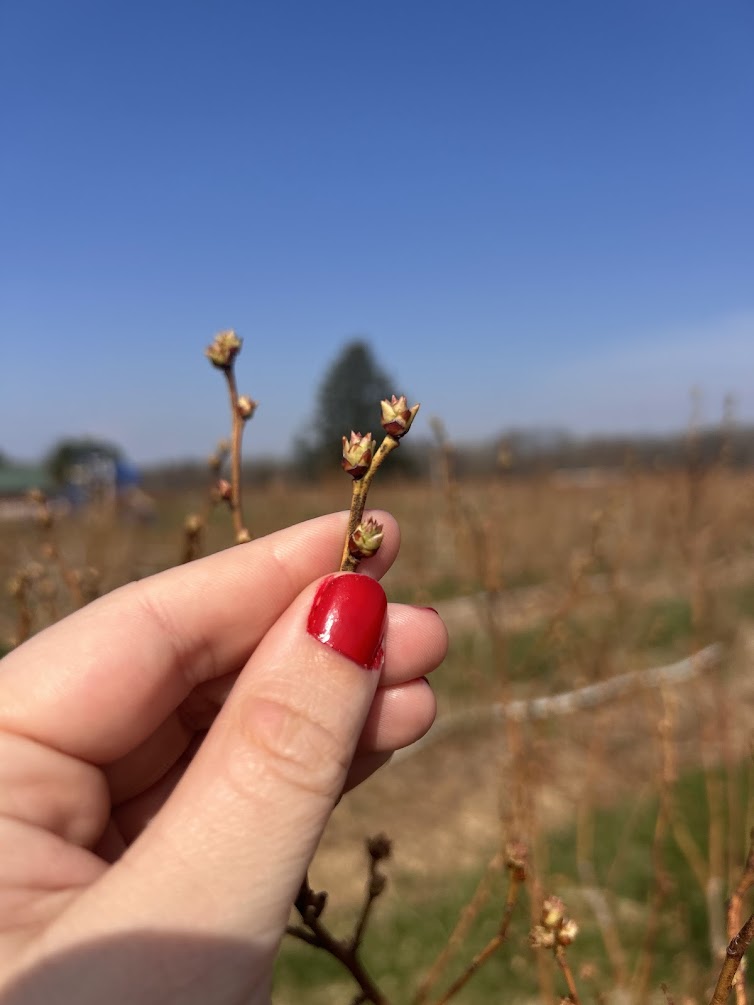
Blueberry are between bud swell and bud burst through southern Allegan County. Growers still have time to apply copper, Sulforix or lime sulfur products to suppress early season diseases. Fields with a history of mummy berry infections need to be protected from early tight cluster until the end of bloom. Dormant sprays with lime sulfur can help protect against mummy berry shoot strikes.
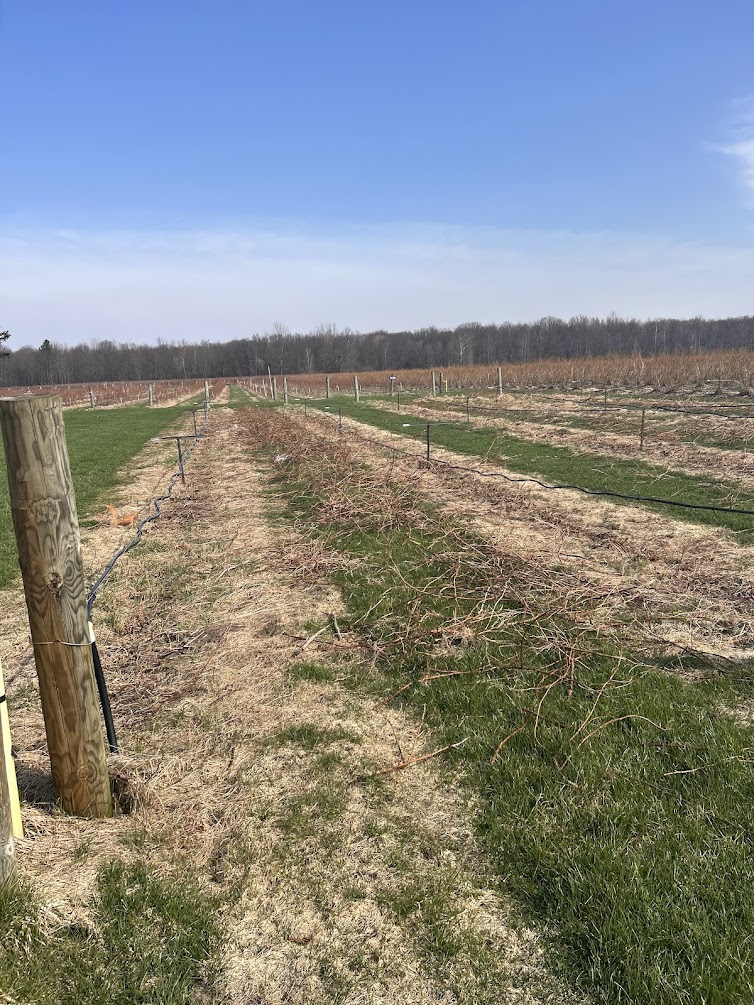
Strawberry overwintering mulches should be removed and raked between the rows. Some growers are putting out floating row covers. Growers are looking at early season herbicides to control overwintering weeds. When selecting an herbicide, make sure and check the pre-harvest interval (PHI).
Brambles Many growers are dormant pruning. In summer bearing raspberries, last year’s primocanes should be headed (cut back) to the desired height and any remaining floricanes from last year should be removed. Fall bearing raspberries should be cut or mowed to the ground. Lime sulfur treatments for anthracnose can still be applied.
Haskaps are leafing out in southern Van Buren County.
Upcoming meetings
This year, we are hosting Tuesday Night Fruit IPM meetings. They take place in person at the Southwest Michigan Research and Extension Center in Benton Harbor and online via Zoom. The meetings cover phenology, insect and disease progression and selected topics from experts in Extension. These meetings cover small fruit for southwest Michigan and tree fruit for southwest and southeast Michigan. The meetings start at 5:30 p.m. and occur weekly until June 24. Sign up for the online option. Past meeting recordings are available online via MSU Mediaspace.
Join us online April 2 for our blueberry season kickoff! Click on the link to sign up and for more information.
Join us at the Trevor Nichols Research and Extension center on April 14 for our blueberry pollination day! Click on the link to sign up and for more information.
This work is supported by the Crop Protection and Pest Management Program [grant no 2024-70006-43569] from the USDA National Institute of Food and Agriculture. Any opinions, findings, conclusions, or recommendations expressed in this publication are those of the author(s) and do not necessarily reflect the view of the U.S. Department of Agriculture.