


How safe is your food after a weather emergency?
 Print
Print Email
EmailYou have survived a weather emergency, but did your food?
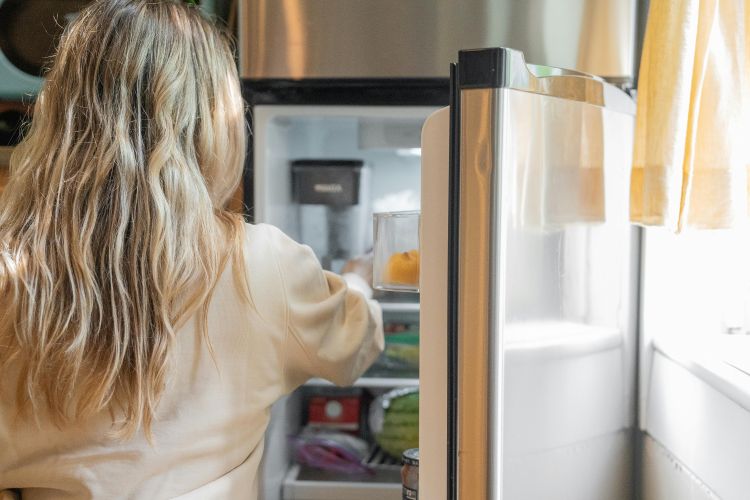
This article shares tips for when the power goes out, and you are left wondering about the safety of your food at home.
Ideally, during the power outage, you and any people in your home were diligent and kept the refrigerator and freezer doors closed. And, if you have prepared for weather emergencies, you already have appliance thermometers in your refrigerator and freezer to monitor temperatures. Keeping refrigerator and freezer doors closed and being able to check temperatures of both are necessary for knowing next steps about food safety.
If the power outage was temporary or less than four hours, and doors were mostly kept closed, the food in the refrigerator should be okay. If the power was out longer than four hours the food should have been transferred to coolers and filled with enough ice to keep the food below 40 °F. As the ice melted, it should have been replenished. A full freezer will keep its temperature for 48 hours. If the freezer is only half full, it will maintain temperature for 24 hours.
If the power was out longer than 48 hours, dry or block ice should have been used to help keep food cold. Fifty pounds of dry ice will hold an 18-cubic foot freezer for two days.
What if, even though you did all the right things, the power was out for longer than 48 hours, now what?
Michigan State University Extension recommends NEVER taste food to determine its safety! When in doubt, throw it out according to the United States Department of Agriculture.
If you’re unsure, use this list to help determine what foods should be disposed of if the power was out for longer than four hours:
- Raw, cooked or leftover meat, fish, poultry and eggs. This includes egg substitutes.
- Deli meats and hot dogs
- Casseroles, soups, stews and pizza
- Mixed salads including chicken, macaroni, potato and tuna
- Gravy and stuffing
- Dairy products
- Fresh cut fruits and vegetables
- Cooked vegetables
- Opened fruit and vegetable juices
- Creamy-based salad dressings
- Batter and dough, such as pancake batter and cookie dough.
- Creamed-filled pastries
- Garlic stored in oil
If the power was off for more than eight hours and the refrigerator was above 50 °F, opened mayonnaise, tartar sauce and horseradish need to be thrown away as well. If any foods like bread or salad greens have become contaminated by dripping juices from raw meat, fish, or poultry, they need to be thrown away as well.
What is safe to eat? High acid foods such as mustard, ketchup, relishes, pickles, non-creamy salad dressings, jams, and jellies. Unfortunately, these items will now spoil faster because they have been time and temperature abused.
The following foods stored in the refrigerator or freezer should be okay unless they turn moldy or have an unusual odor:
- Fresh whole fruits and vegetables
- Unopened fruit and vegetable juices
- Dried fruits and coconut
- Baked goods such as fruit pies, bread, rolls, muffins, and cakes (except those with cream cheese frosting or cream fillings)
- Hard and processed cheeses
- Butter and margarine
- Fresh herbs and spices
- Flour
- Nuts
For frozen foods, any that may have thawed but still contain ice crystals are safe to eat. If the frozen foods have thawed but the temperature in your freezer is 40 °F or below, the foods can be safely refrozen; however, the quality may suffer.
Be sure to be ruthless when getting rid of potentially spoiled food because food poisoning can make you and others very sick and even cause death. Remember when in doubt, throw it out.
For answers to your safe food and water questions, call MSU Extension's Food Safety Hotline at 1-877-643-9882. For more information on food safety, visit MSU Extension's Safe Food & Water website.