Southwest Michigan field crops update – June 18, 2026
 Print
Print Email
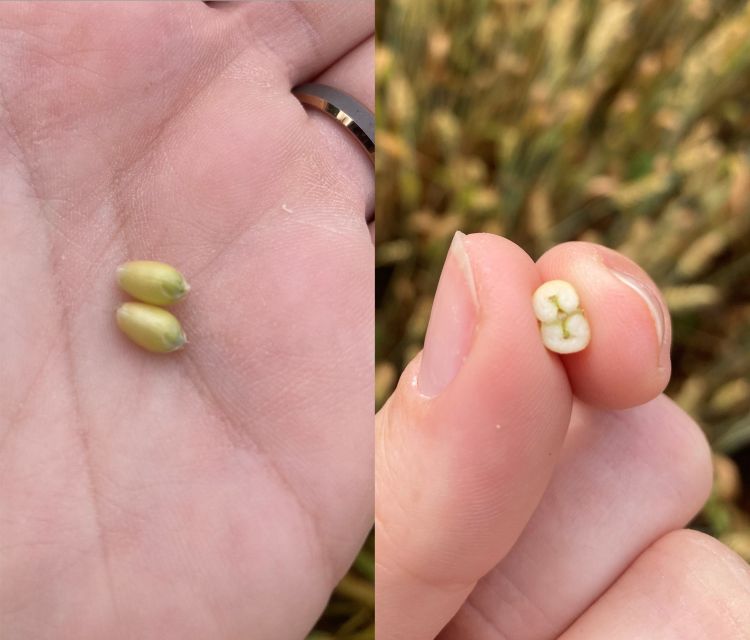
EmailSide dress nitrogen continued as weather permitted. Wheat kernels are at milky ripe to dough stages.
Weather
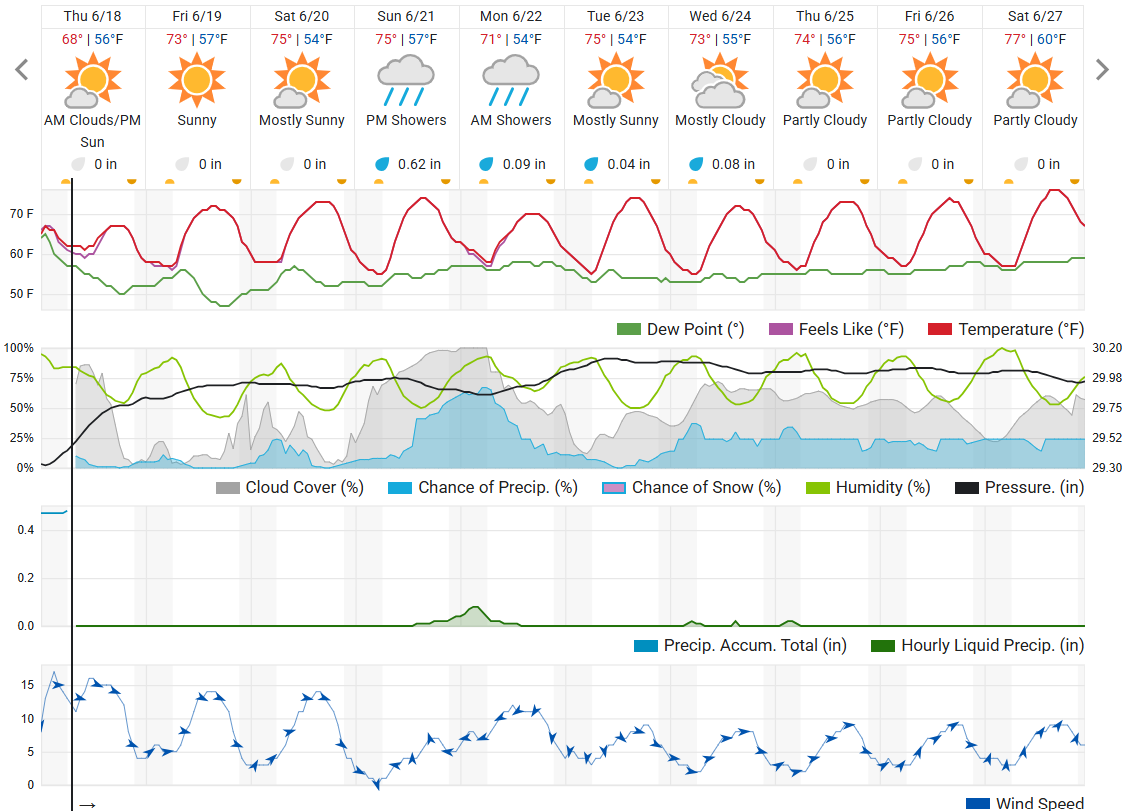
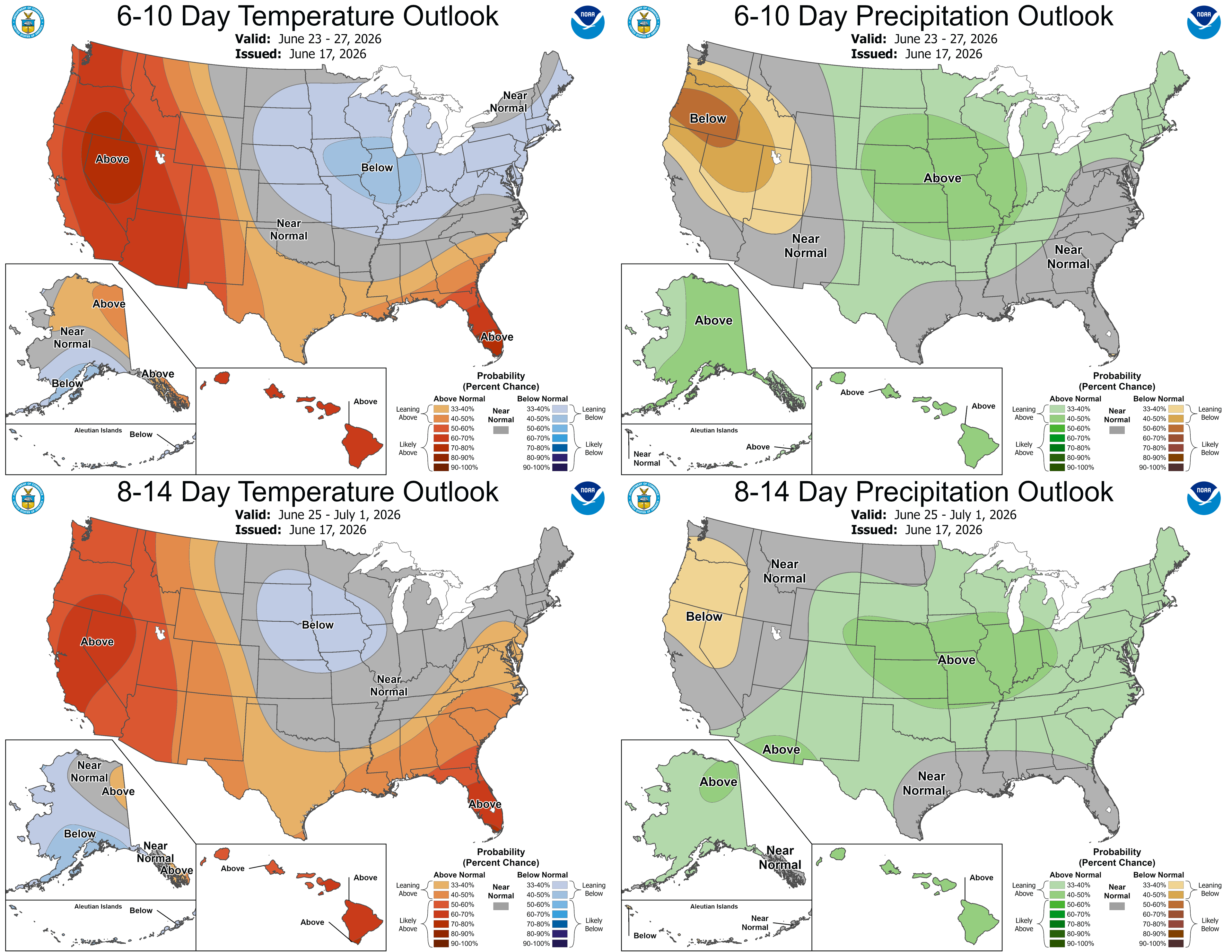
Storms late last Thursday, June 11, with high winds caused damage to trees, houses, irrigation systems and some crops. Temperatures cooled considerably and have remained low into this week. Several evenings with rainfall brought the total weekly precipitation to just under 2 inches for the Constantine Enviroweather station. Hail in the middle of the week shredded leaves and caused a range of crop damage in parts of the region. Sunday, June 21, is the next chance for significant precipitation, and temperatures will remain cool throughout the upcoming week.
Crops and pests
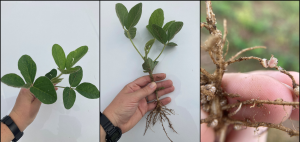
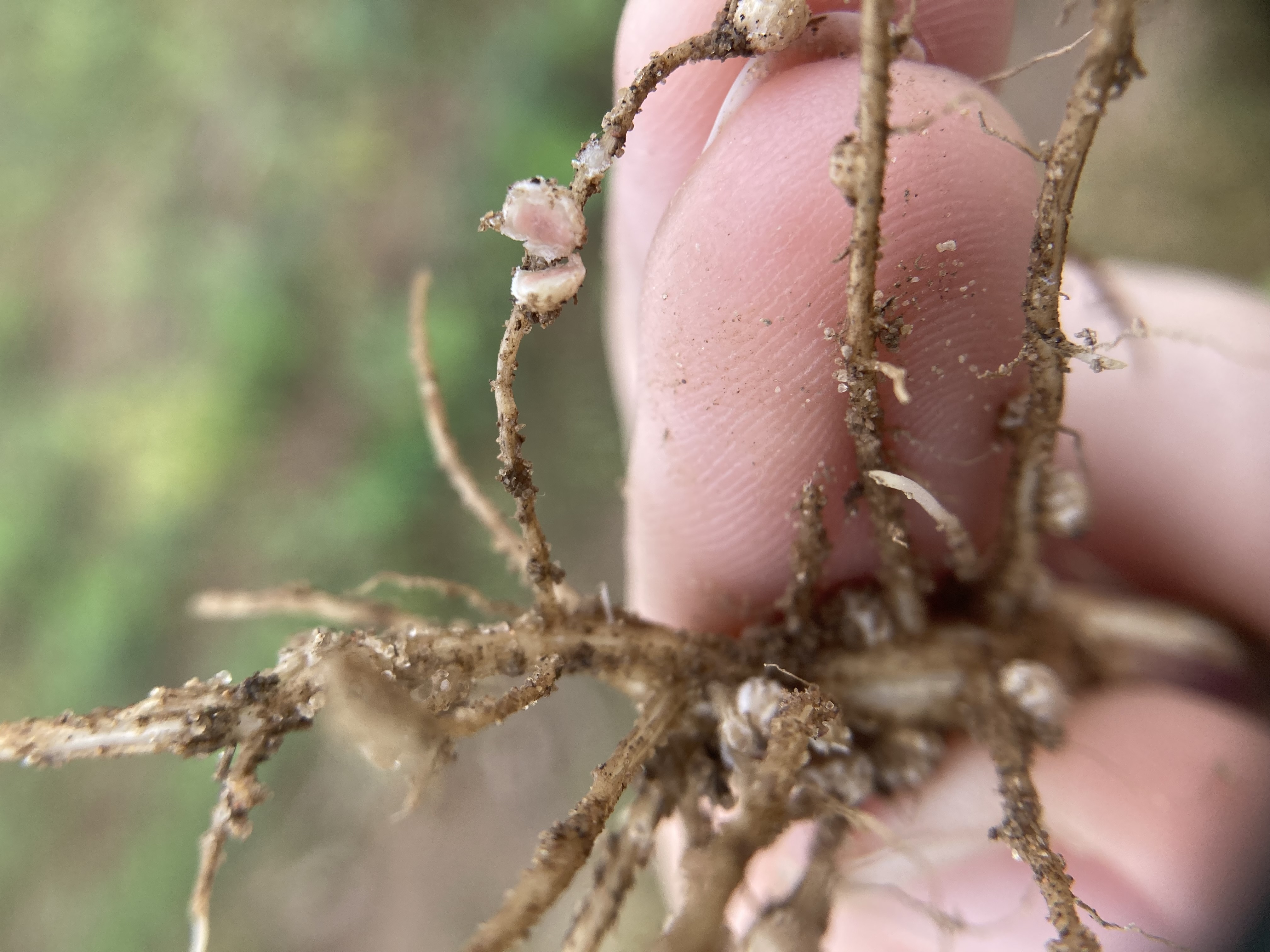
Early planted soybeans are at V4-5. Once soybeans reach V2-3, nodules are easily visible on roots. This is a good time to check on nodulation, especially if the plants seem yellower, stunted or less robust than expected. For more information on evaluating soybean nodulation, check out “Evaluating nodulation in soybeans” from PennState Extension.
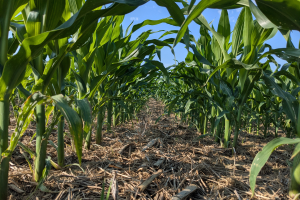
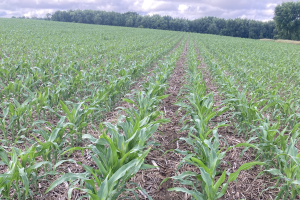
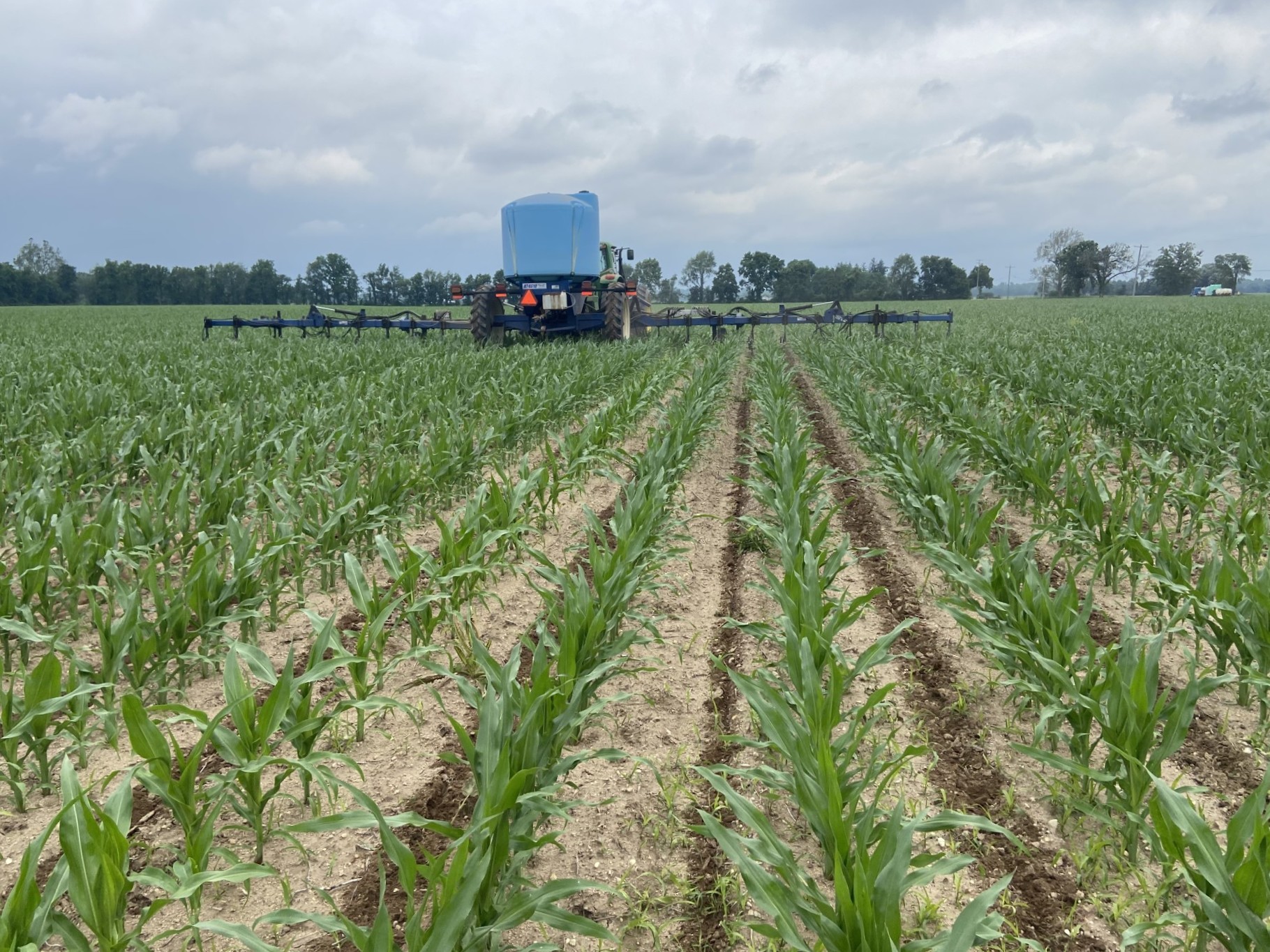
Early planted corn is at V6-7. Side dress nitrogen continued to go out in corn as weather and field conditions permitted. Significant water and nitrogen uptake starts around V6 and continues through pollination.
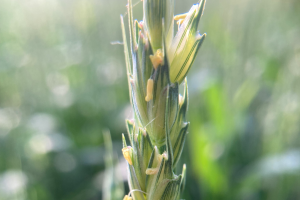
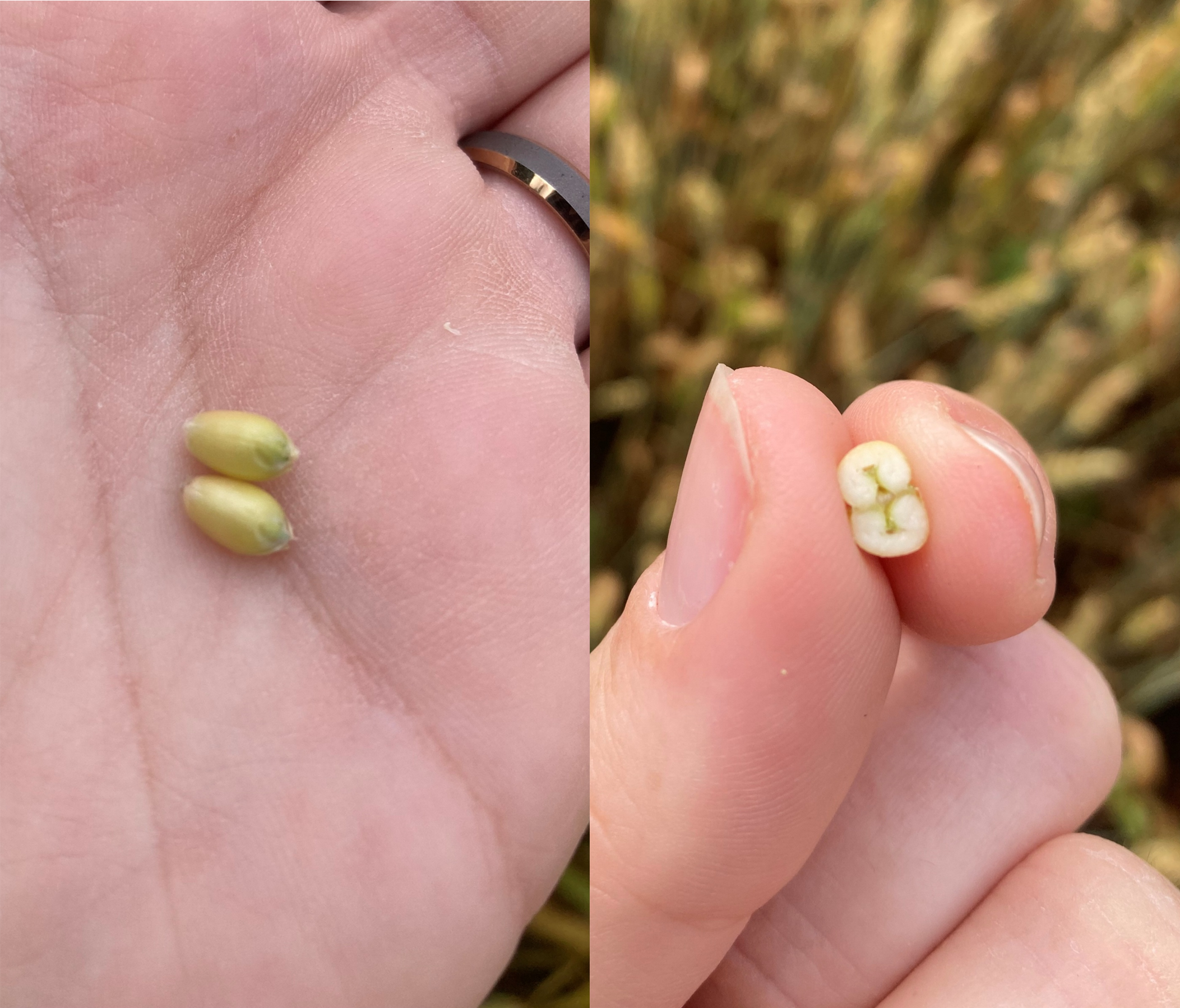
Winter wheat is at Feekes 11.1 (kernel milky ripe) and 11.2 (soft dough). Some fields are experiencing premature canopy senescence due to previous dry weather, leaf infection or plant stress. Early yellowing or browning of foliage can reduce grain fill and affect test weight.
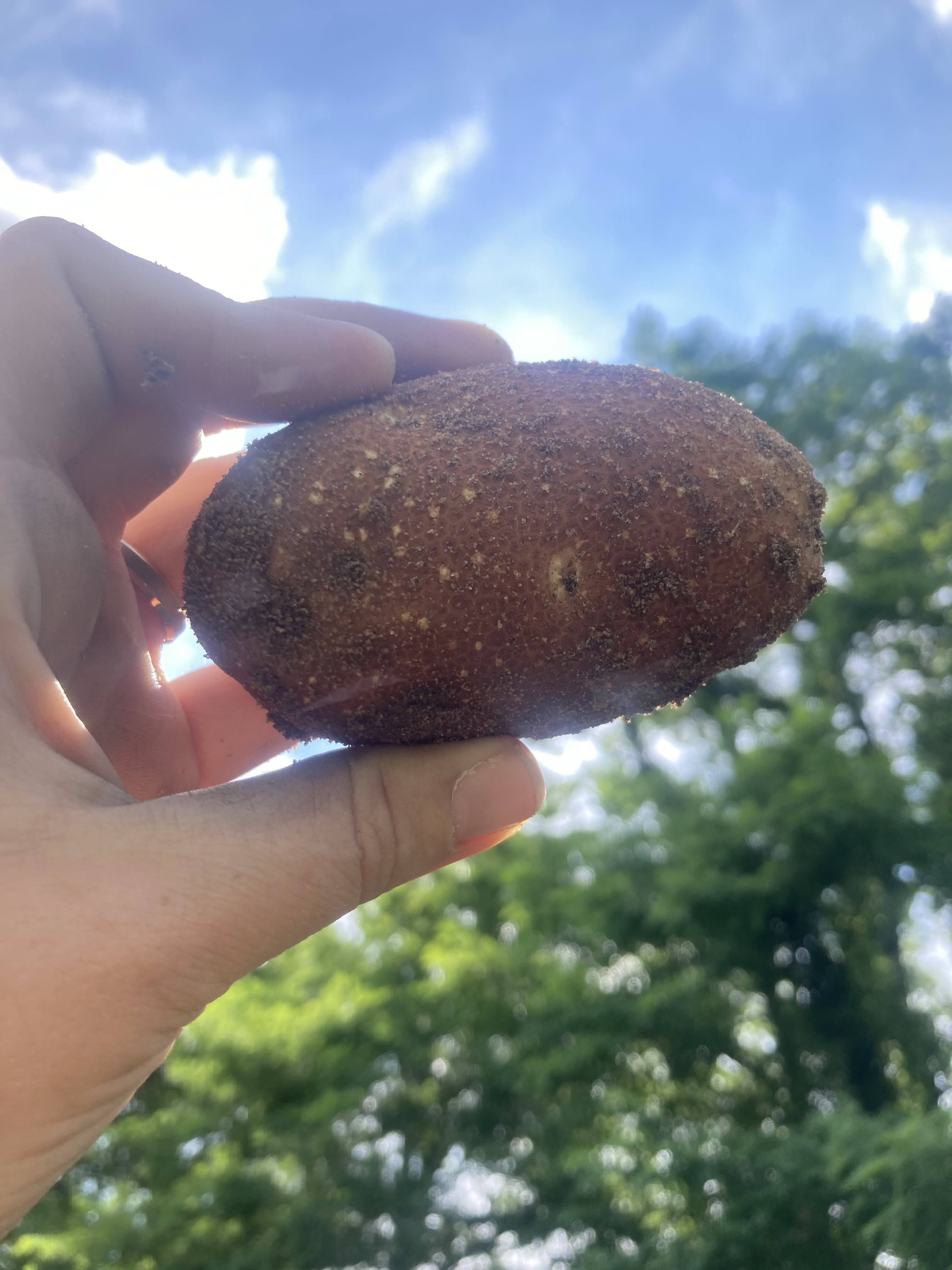
Potatoes are in various stages of bloom and row closure. Overly wet soil conditions can cause lenticels to swell and burst, opening up wounds in the tuber where pathogens can enter.
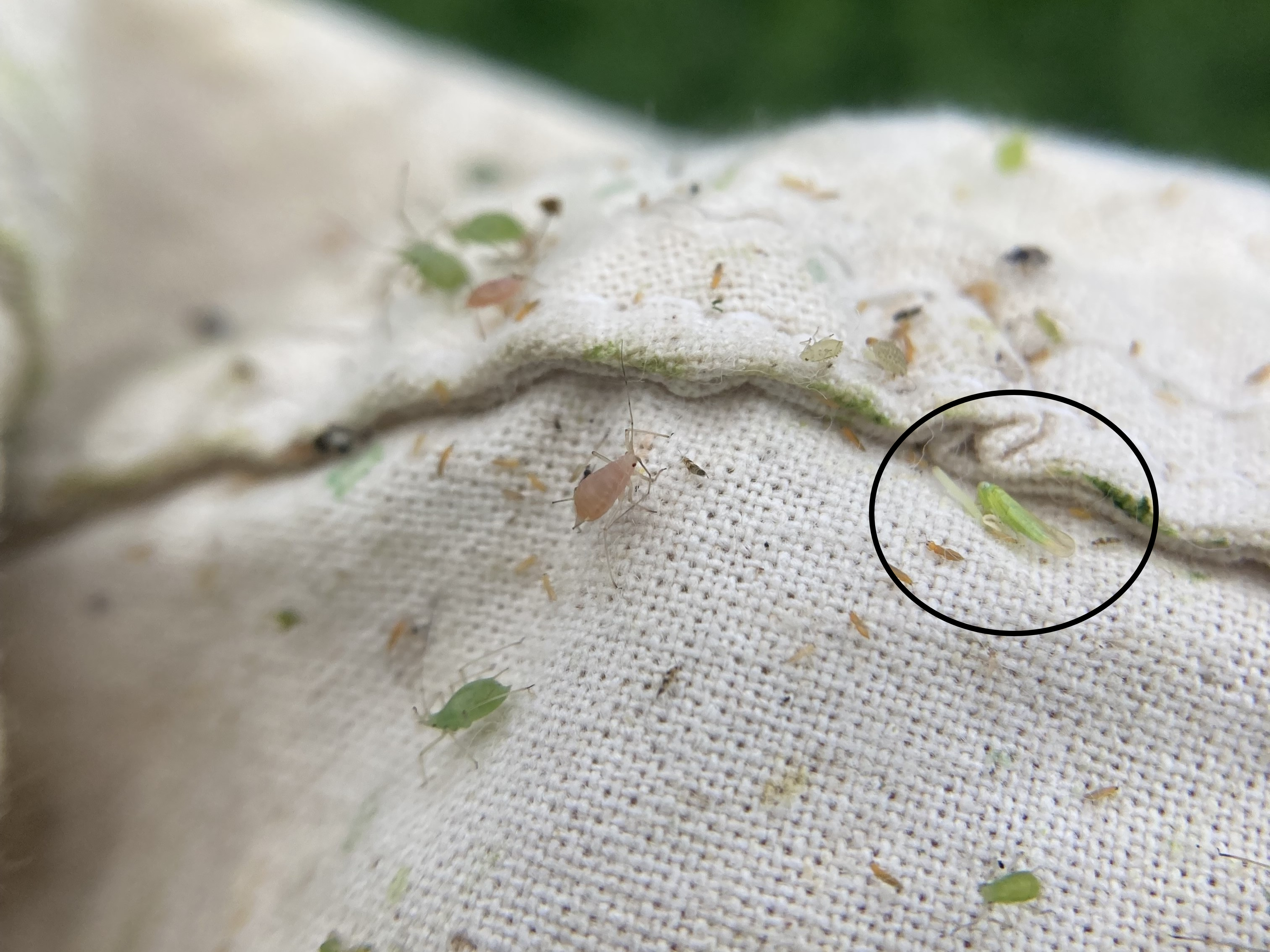
Alfalfa and forage regrowth is looking good. Potato leafhopper adults and nymphs may be in fields. Potato leafhopper is an especially difficult pest because visible symptoms (v-shaped yellowing at leaf tips, referred to as hopperburn) don’t appear until after it is too late to correct them. For comprehensive potato leafhopper threshold tables based on product cost and hay price, check out potato leafhopper from Iowa State University.
Irrigation and water use
- Corn at V4–V6 is using approximately 0.20 to 0.40 inches of water per week. After V6, crop water use increases rapidly and can exceed 0.60 inches per week.
- Soybeans at V3–V5 are using approximately 0.60 to 0.85 inches of water per week, with water demand continuing to increase as the crop develops.
- Potatoes in the tuberization and blossom stages continue to have a high-water demand, requiring more than 1 inch of water per week.
- Many areas of Michigan have received significant rainfall over the past several days. Where these rainfall amounts were received, they should be sufficient to meet crop water requirements in the short term.
- Continue monitoring crop growth stages, soil moisture conditions, and weather forecasts when making irrigation decisions, as water demand will continue to increase with crop development.
Recent storms across Michigan have also caused damage to irrigation equipment in some areas. Because irrigation systems represent a significant investment, now is a good time to review your insurance coverage and determine whether storm-related damage to irrigation equipment is covered under your policy. Understanding coverage details before damage occurs can help avoid unexpected costs and delays during the growing season. Learn more about irrigation system insurance considerations in this article from MSU Extension.
This year, weekly crop water use updates will continue to be shared through the southwest Michigan crop updates, and for added convenience, updates will also be sent through direct email and text messages. Sign up here. If you would like to see an additional location included in the report, please contact Angie Gradiz at gradizme@msu.edu or 531-249-4956.
Estimated weekly crop water use for field crops in Michigan (inches/week) for the week of June 15–21, 2026:
|
Crop |
Growth stage |
Constantine |
Berrien Springs |
Entrican |
Hart |
|
Reference ET |
1.08 |
1.04 |
1.02 |
0.95 |
|
|
Corn |
V4 |
0.19 |
0.19 |
0.18 |
0.17 |
|
Corn |
V6 |
0.38 |
0.36 |
0.36 |
0.33 |
|
Corn |
V8 |
0.6 |
0.58 |
0.57 |
0.53 |
|
Soybeans |
V2 |
0.43 |
0.42 |
0.41 |
0.38 |
|
Soybeans |
V3 |
0.65 |
0.62 |
0.61 |
0.57 |
|
Soybeans |
V4-V5 |
0.84 |
0.81 |
0.8 |
0.74 |
|
Potato |
Early vegetation |
0.54 |
0.52 |
0.51 |
0.48 |
|
Potato |
Tuberization |
1.08 |
1.04 |
1.02 |
0.95 |
|
Potato |
Blossom |
1.08 |
1.04 |
1.02 |
0.95 |
Field Crops Virtual Breakfast Series
Hot topics in field crops, presented by various Michigan State University (MSU) Extension specialists and educators, were covered in the MSU Extension Field Crops Virtual Breakfast this week. True armyworm caused problems sporadically this year in corn and alfalfa, but at this point, fields should mainly be out of the risk period as armyworm enters pupation or moves on. With the cool weather, you may see herbicide damage on young crops. You can send samples to the MSU Plant and Pest Diagnostics lab to confirm whether or not the damage is from herbicides.
Early-season hail damage in corn is unlikely to cause yield loss unless it causes stand loss. Once corn reaches V6, hail damage is more likely to cause yield loss. Soybeans can tolerate stand loss and defoliation in vegetative stages. As long as damage is not occurring below the cotyledons, a yield reduction would not be expected. Hail damage in wheat that affects the flag leaf or damages the head can cause yield loss.
Recordings of this and all the Virtual Breakfast meetings are closed-captioned and available at the Field Crops Virtual Breakfast webpage and the MSU Extension Field Crops Team social media platforms: Facebook, Spotify, Mediaspace, YouTube, Apple Podcasts and Twitter/X.
This work is supported by the Crop Protection and Pest Management Program (grant no 2024-70006-43569) from the USDA National Institute of Food and Agriculture. Any opinions, findings, conclusions, or recommendations expressed in this publication are those of the author(s) and do not necessarily reflect the view of the U.S. Department of Agriculture.