


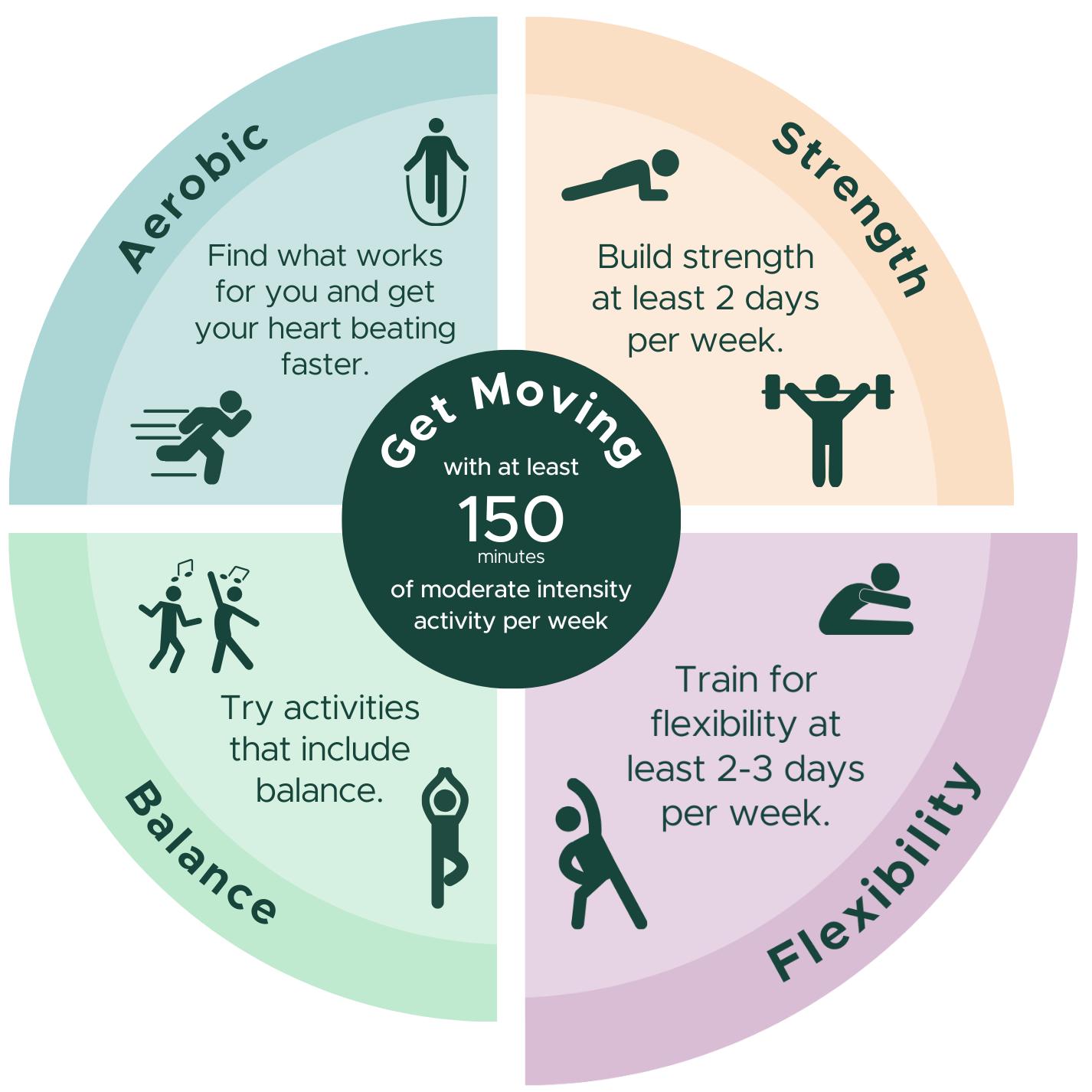
 What is Flexibility?
Flexibility is how easily your joints move through their full range of motion. Stretching and flexibility exercises help keep muscles and joints loose and lower the risk of injury.
Why does Flexibility Matter?
Good flexibility makes everyday tasks easier, like bending to tie your shoes. Other benefits of flexibility training include:
- Stress relief
- Lower injury risk
- Improved posture
- Less muscle tension
- Better range of motion
Activities that Improve Flexibility
- Yoga
- Pilates
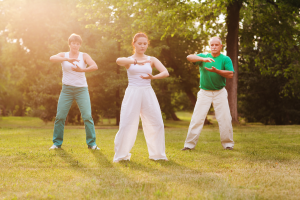
- Tai Chi
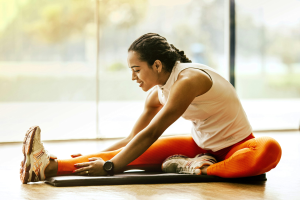
- Static stretching: holding a stretch for a period of time, like touching your toes and holding for 10 to 60 seconds
- Dynamic stretching: moving your body through a range of motion repeatedly, like arm circles or leg swings before a workout.
How Much Flexibility Training is Needed?
Flexibility is important for all ages:
- Preschool Children (ages 3-5): Encourage bending, reaching, and stretching during play.
- Children and Teens (ages 6-17): Stretch to enhance flexibility, especially after activity or sports.
- Adults: Include flexibility training as part of an active lifestyle.
- Older Adults (ages 65+): Stretch to maintain flexibility, focus on range of motion, balance, and mobility to prevent falls.
Getting Started
- Warm up first: Walk or jog lightly before stretching.
- Start slow: Begin with basic stretches for legs, back, shoulders, hips.
- Hold static stretches for 10–30 seconds, without bouncing. Repeat 2–4 times.
- Breathe deeply: Helps relax and improve movement.
- Make it routine: Stretch after walks, while watching TV, or before bed.
Safety Tips
- Stretch gently. Stop if it hurts.
- Hold, don’t bounce.
- Be consistent. Flexibility improves with practice.
- Use good form and controlled movements.
Flexibility exercises are easy to do anywhere and need no special equipment!
Articles
Get guidance on improving flexibility, mobility, and range of motion through MSU Extension’s collection of articles.
-
Stretching Should be a Part of Your Fitness Routine
Published on October 27, 2025
-
How will you stay active this winter?
Published on April 1, 2025
-
Understanding arthritis: The benefits of physical activity
Published on December 22, 2023
-
Tai Chi: A gentle path to preventing falls and improving community well-being
Published on December 11, 2023


Videos
Move, stretch, and improve your flexibility with our exercise videos.
 Print
Print Email
Email